Understanding Mumbai’s Unique Culture
The Vibrant Streets of Mumbai
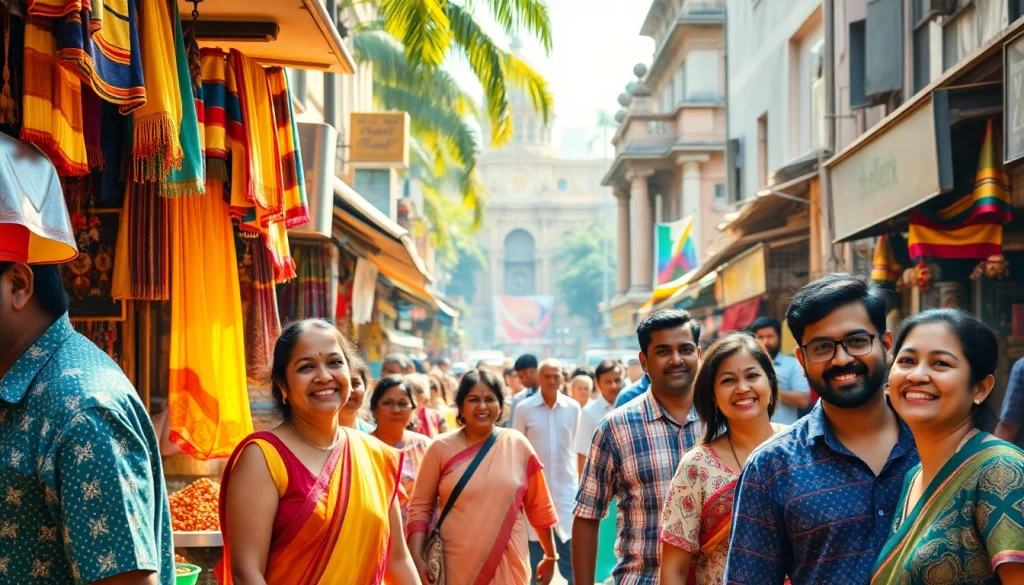
Mumbai, often referred to as the city that never sleeps, is defined by its vibrant streets teeming with life. The bustling markets of Colaba, the lively Chowpatty Beach, and the intriguing alleys of Bandra showcase the city’s eclectic flavor. Here, street vendors sell everything from delicious vada pav to charming trinkets, each corner bustling with the rhythm of commerce and culture. The essence of Mumbai’s street life is not just in what you see, but what you hear—the chatter of children, the honking of rickshaws, and the occasional whistle of a train passing by.
For those keen on exploring Mumbai from a local’s perspective, immersing yourself in the street culture is essential. The liveliness of the streets not only tells the story of a city but also of its people—who face challenges with humor and resilience.
Cultural Festivals and Their Significance
Mumbai’s cultural fabric is stitched together by an array of festivals celebrated throughout the year. Durga Puja, Ganesh Chaturthi, and Diwali bring together communities, transcending boundaries of caste and creed. These festivals are a reflection of the city’s pluralistic ethos and showcase a grand display of colors, music, and dance.
Moreover, festivals serve as an important reminder of Mumbai’s diverse heritage. During Ganesh Chaturthi, for instance, the streets resonate with the sounds of drum beats, while beautifully crafted idols of Lord Ganesha line the roads, enhancing a sense of unity and joy among the residents. These collective celebrations are instrumental in nurturing community bonds and preserving cultural identity amidst Mumbai’s rapid modernization.
Diversity in Cuisine and Traditions
Cuisine in Mumbai is a testament to its cosmopolitan nature, featuring a rich assortment of flavors and culinary traditions. Family-run restaurants and street stalls offer a range of dishes representing the diverse cultures that inhabit the city. From the spicy pav bhaji to the sweet and milky masala chai, Mumbai’s culinary scene caters to an array of palates.
Another aspect to consider is the influence of migration on Mumbai’s culinary landscape. Immigrants from various parts of India and beyond have contributed to the city’s food narrative. For example, the Parsi community’s unique recipes have found a place in the culinary heritage alongside South Indian idlis and dosas, showcasing the harmonious blend of traditions.
Life as a Mumbaikar
Daily Routines and Commuting in the City
Life as a Mumbaikar involves a rhythm that may seem frenetic to outsiders. Daily routines often begin early, with people rushing to catch local trains or buses. The local rail network is the lifeline of the city, carrying millions each day through its crowded, yet well-orchestrated system. The chaos of morning commutes unfolds against a backdrop of determination and tenacity—a microcosm of Mumbai’s spirit.
Understanding the commuting culture is essential for anyone looking to embrace life in the city. While traffic congestion can be a deterrent, Mumbaikars have adapted to this reality, often utilizing technology to navigate routes and optimize their travel time.
Community and Connections Among Mumbaikars
Community ties play a crucial role in the life of a Mumbaikar. Despite the fast-paced environment, relationships are nurtured and valued. Social gatherings, whether they be local festivals, neighborhood cricket matches, or evening walks on Marine Drive, foster connections that help build a sense of belonging.
Additionally, social media platforms have emerged as new venues for interaction. Groups dedicated to local interests abound, and Mumbaikars often find themselves sharing experiences, recommendations, and camaraderie online. The shared identity of being a Mumbaikar becomes a strong thread weaving through the connections made both online and offline.
Balancing Work and Leisure in a Bustling Metropolis
In a city characterized by its relentless pace, striking a balance between work and leisure can be a challenge. Many Mumbaikars grapple with long working hours, often extending into the night. However, the city’s recreational spaces, from the serene Sanjay Gandhi National Park to the lively Juhu Beach, provide necessary respite from the daily grind.
Moreover, Mumbai offers diverse leisure options. From exploring art galleries and theaters to enjoying vibrant nightlife or engaging in sports, there is much to explore. Mumbaikars creatively design their weekends to maximize enjoyment, often resolving to experience what the city has to offer in between the challenges posed by work commitments.
Exploring Mumbai’s Hidden Gems
Off-the-Beaten-Path Neighborhoods
While places like Colaba and Bandra are well-known tourist hotspots, Mumbai is also home to a plethora of hidden gems waiting to be discovered. Neighborhoods such as Khotachiwadi in Girgaon display charming colonial architecture, reflecting a bygone era. Similarly, the vibrant lanes of Dharavi reveal immense entrepreneurial spirit amidst challenging circumstances, showcasing the resilience and creativity of its residents.
Exploring these neighborhoods not only provides insight into Mumbai’s socio-economic dynamics but also encourages a deeper understanding of its cultural richness. Walking tours often reveal stories and historical accounts that are not found in guidebooks, offering a glimpse into the layers of Mumbai’s existence.
Unique Local Attractions Not to Miss
Mumbai boasts a variety of unique attractions that go beyond the conventional tourist trail. The Nehru Science Centre, for instance, is an engaging venue that bridges the gap between science and everyday life through interactive exhibits. Alternatively, the Banganga Tank is a peaceful oasis steeped in mythology, offering an unexpected tranquility amidst the moil of the city.
Each of these spots reflects facets of Mumbai’s diverse identity, providing both locals and visitors with enriching experiences that are distinctively Mumbaikar. Visiting these attractions allows one to cultivate a personal connection with the city’s heritage.
Local Insights into the Best Street Food
No exploration of Mumbai is complete without indulging in its street food. The city is renowned for its delectable offerings, such as the iconic vada pav, spicy pav bhaji, and chaat from the numerous stalls that line the sidewalks. Each dish carries a story, often attributed to the vendors who have perfected their craft over decades.
Gaining local insights can significantly enhance the street food experience. Engaging with vendors, understanding their family recipes, and trying lesser-known dishes can lead to a culinary adventure that is uniquely immersive. Mumbaikars have an appreciation for the flavors and textures of their street food, often using their senses to guide their choices.
Challenges Faced by Mumbaikars
Overcoming Urban Challenges: Traffic and Pollution
Despite its vibrancy, Mumbai faces significant urban challenges such as traffic congestion and pollution. Mumbaikars are all too familiar with long commuting hours and the resulting strain on mental well-being. However, the community is actively fostering solutions, from promoting carpooling systems to the encouragement of public transport usage.
In recent years, various initiatives have emerged focusing on sustainable transport and green spaces. Environmental groups collaborate with government bodies to address pollution, leading to enhanced public awareness and community involvement in keeping the city clean and livable.
Socio-economic Issues in the City
Mumbai is also marked by stark socio-economic disparities, often manifesting in the form of informal settlements juxtaposed against luxury buildings. Issues like poverty, accessibility to healthcare, and education continue to challenge the city’s ethos. Numerous NGOs and community-led efforts work tirelessly to address these issues by providing resources and support to underserved populations.
Collaboration between different sectors—government, private, and civil society—has become essential to drive sustainable change. Initiatives such as skill development programs and health camps contribute to fostering resilience among Mumbaikars, further reinforcing the city’s spirit of community.
Resilience in Times of Crisis
Mumbai has faced its share of crises—be it natural disasters, health epidemics, or socio-political instabilities. Yet, the city’s resilience stands out in its ability to rise above adversity. During the COVID-19 pandemic, for example, Mumbaikars came together to support each other through community kitchens, food drives, and grassroots organizations, showcasing solidarity in times of struggle.
The collective effort demonstrated by residents during such times of crisis serves as a testament to the unwavering spirit of the city. It highlights the capability of Mumbaikars to innovate and adapt, reinforcing community bonds that thrive amidst uncertainty.
The Future of Mumbai: Trends and Transformations
Urban Development and Sustainability Initiatives
The quest for urban sustainability is at the forefront of conversations about Mumbai’s future. With the city’s growing population and strain on resources, the government, along with NGOs, is focusing on initiatives that prioritize sustainable development. From conservation of heritage sites to the creation of space for biodiversity, the aim is to ensure a livable future for generations to come.
Additionally, innovative infrastructural projects such as elevated roadways, eco-friendly public transport systems, and green buildings are transforming the urban landscape, addressing challenges while presenting opportunities for enhancing the quality of life.
Influence of Technology on Daily Life
Technology has dramatically reshaped daily life in Mumbai, from smart traffic management systems to mobile apps facilitating transportation. Many Mumbaikars have embraced technological advancements to simplify their daily routines and enhance connectivity.
Moreover, e-commerce and digital services have proliferated, allowing for convenience and accessibility in areas like shopping, food delivery, and professional services. These trends indicate a shift towards a more integrated urban experience, embracing the convenience technology brings while also contributing to economic growth.
A Vision for Future Generations of Mumbaikars
As we look to the future, it is clear that Mumbai will continue to evolve, presenting both challenges and opportunities. The need for civic engagement, awareness, and responsibility will be essential in shaping the future of the city. Educating younger generations about social issues, cultural heritage, and environmental consciousness is key to nurturing informed, responsible Mumbaikars.
Creating platforms for dialogue and collaboration will ensure that the voice of the community is heard, fostering infrastructural, economical, and ecological progress that resonates with the spirit of Mumbai. As Mumbaikars work together to navigate the complexities of urban life, the potential for constructive transformation remains immense.