Understanding Derailment Repairs
What Are Derailment Repairs?
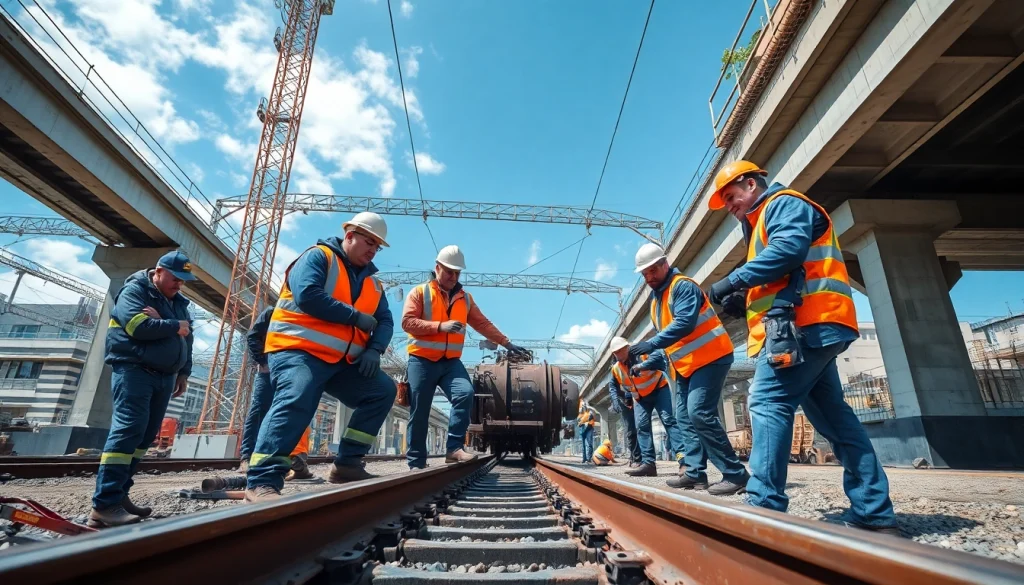
Derailment repairs refer to the extensive processes involved in restoring railway tracks and rolling stock to functionality following an incident where a train has derailed. Such incidents can cause significant downtime, economic loss, and safety risks. The repairs typically encompass assessing the damage, stabilizing the area, and replacing or realigning tracks and vehicle components. Timely intervention is crucial to ensure the safety of ongoing operations and prevent cascading issues across the railway network.
Proper Derailment repairs not only restore operability but also improve the overall safety standards of railway transportation, ensuring passenger and freight operations can resume without significant delays or hazards.
Importance of Timely Repairs
Timely repairs following a derailment are vital for multiple reasons. Firstly, they minimize the disruption of services to passengers and freight carriers, preserving the schedules and revenue streams associated with railway operations. The longer a section of track remains inoperative, the more financial strain it places on service providers and impacts economic activities reliant on that link.
In addition to financial implications, the physical condition of the railway system can degrade if issues are not promptly addressed, increasing the risk of future derailments. Fast-tracking repairs helps ensure rigorous safety standards are upheld, thereby enhancing public trust in railway operations.
Common Types of Derailments
Derailments can occur due to various reasons, and understanding these causes helps in formulating effective repair strategies. Common types include:
- Track-related derailments: These are often caused by track defects, misalignment, or obstructions on the tracks.
- Equipment failure: Malfunctioning brakes, wheels, or other mechanical parts may lead to derailments.
- Weather-related incidents: Severe weather, including heavy rain, snow, or ice, can weaken tracks and contribute to derailments.
- Operational issues: Human errors during operations or increased speeds on compromised tracks can lead to accidents.
Key Components of Derailment Repairs
Essential Tools and Equipment
Effective derailment repairs require a wide variety of specialized tools and equipment. Essential items include:
- Track gauges: Used to measure the distance between rails to ensure proper alignment.
- Rail jacks: These devices lift tracks for repair or replacement, ensuring safe access to damaged areas.
- Wrenches and hand tools: For loosening and tightening components throughout the repair process.
- Inspection cameras: These tools help assess damage in hard-to-reach places.
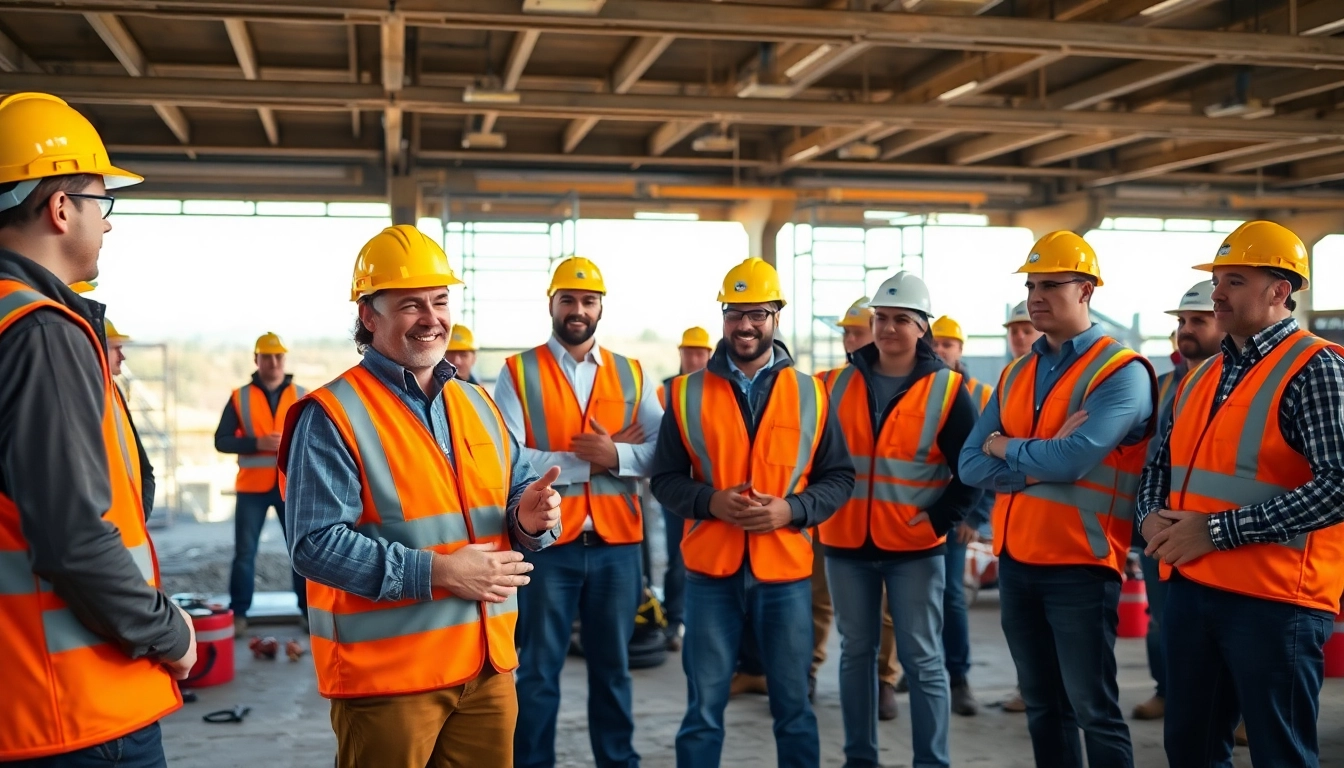
- Safety gear: Reflective vests, helmets, and other protective equipment are crucial for personnel safety during the repair process.
Safety Protocols and Regulations
Safety is paramount in derailment repairs, both for the repair teams and the general public. Regulations mandate a series of protocols to ensure compliance and operational safety:
- Personal Protective Equipment (PPE): All team members must wear appropriate safety gear.
- Site Assessment: Before commencing repairs, a thorough safety assessment of the area must be conducted.
- Emergency Procedures: Teams should be trained in protocols for evacuating or managing emergencies in the vicinity of the derailment.
- Compliance Audits: Regularly scheduled checks should confirm adherence to safety regulations and repair standards.
Best Practices for Repair Teams
Implementing best practices during derailment repairs can significantly enhance effectiveness and safety:
- Effective Communication: Clear communication among team members is critical for coordinating repair efforts.
- Continuous Training: Regular training and drills ensure that all team members are skilled in safety procedures and repair techniques.
- Documenting Repairs: Accurate records of repairs conducted should be maintained for future reference and compliance.
- Reviewing Past Incidents: Analyzing previous derailments helps teams learn from the past and avoid future occurrences.
Step-by-Step Process for Derailment Repairs
Initial Assessment and Inspection
The first step in tackling derailment repairs is conducting a thorough assessment to understand the extent of the damage. This involves:
- Securing the area to prevent further incidents.
- Utilizing inspection tools to identify track and equipment damage.
- Documenting findings to guide the repair efforts and inform future maintenance.
This phase is crucial for establishing a foundation for repair plans, ensuring all necessary measures are in place prior to commencing physical repairs.
Repair Techniques and Methods
Once the assessment is complete, repair teams can employ various techniques, including:
- Realignment: Adjusting displaced tracks to ensure proper gauge and level.
- Replacement: Removing severely damaged sections of track or rolling stock and installing new components.
- Reinforcement: Strengthening weak areas identified during inspections, especially in locations prone to future incidents.
These repair techniques should be chosen based on a combination of factors, including the severity of the damage, available resources, and safety considerations.
Testing and Validation After Repairs
After all repairs are conducted, thorough testing is essential to confirm the integrity of the corrections made. This involves:
- Conducting trial runs with equipment to ensure proper functioning
- Inspecting the site after repairs to confirm compliance with safety standards
- Documenting the results of testing and validating repair outcomes for auditing and compliance purposes
This phase guarantees that the railway can safely resume operations with minimal risk of recurrence.
Challenges in Derailment Repairs
Weather and Environmental Considerations
Weather conditions can severely impact derailment repairs. For instance, heavy rain, extreme temperatures, or snow can complicate access to the site and affect the repair methods employed. To mitigate these challenges, repair teams should prepare contingency plans that include alternative repair techniques and resource allocations to accommodate adverse conditions.
Logistical Issues in Remote Locations
Repairing derailments in remote locations presents unique logistical challenges. Transporting equipment and materials to hard-to-reach sites may require additional planning and time. Engaging local resources or pre-positioning materials in known trouble spots can streamline operations and enhance response times in cases of emergencies.
Managing Team Safety and Efficiency
Ensuring the safety and efficiency of repair teams is a constant challenge. High-pressure situations often occur during derailment repairs, necessitating strict adherence to safety protocols while maintaining workflow continuity. Prioritizing mental well-being and establishing clear roles and responsibilities helps teams maintain focus and facilitate effective communication amidst the stress of the situation.
Future Trends in Derailment Repairs
Technological Innovations in Railway Maintenance
The future of derailment repairs is set to be revolutionized by technological advancements. Innovations such as automated inspection drones are increasing the speed and accuracy of preemptive assessments. The incorporation of machine learning algorithms can help analyze historical data to predict potential derailment points effectively.
Predictive Maintenance and Monitoring
Utilizing data-driven predictive maintenance strategies will minimize unplanned repairs. This approach leverages sensors and IoT devices to continuously monitor track integrity, alerting teams to potential issues before they escalate into serious derailments. By preemptively addressing wear and tear, railway operators can enhance safety and reduce downtime.
Long-term Solutions for Reducing Derailments
Measuring and addressing factors contributing to derailments over the long term requires comprehensive solutions, including:
- Implementing enhanced training programs for operators to enhance situational awareness.
- Investing in high-quality materials that withstand environmental-induced wear and stress.
- Engaging advanced analytics for ongoing performance monitoring to assess historical patterns in derailments.
Such strategies play a crucial role in fostering safer railway systems that can adapt to variables while maintaining operational excellence set to benefit the industry.
FAQs
What causes derailment repairs?
Derailments can be triggered by track faults, equipment failures, or obstructions on the tracks. Understanding these origins is key to prevention.
How long do derailment repairs take?
The duration of derailment repairs varies significantly based on the severity of damage, ranging from hours for minor incidents to several days for extensive repairs.
What tools are used in derailment repairs?
Commonly used tools include track gauges, jacks, wrenches, and safety gear, all essential for effectively conducting repairs.
Are derailment repairs regulated?
Yes, derailment repairs are subject to strict safety regulations designed to protect personnel and the public, ensuring compliance with operational standards.
How can derailment incidents be minimized?
Regular maintenance, thorough inspections, and the implementation of advanced monitoring systems can significantly reduce the likelihood of derailment occurrences.