Understanding the Basics of Microwave Ovens
What is a microwave oven?
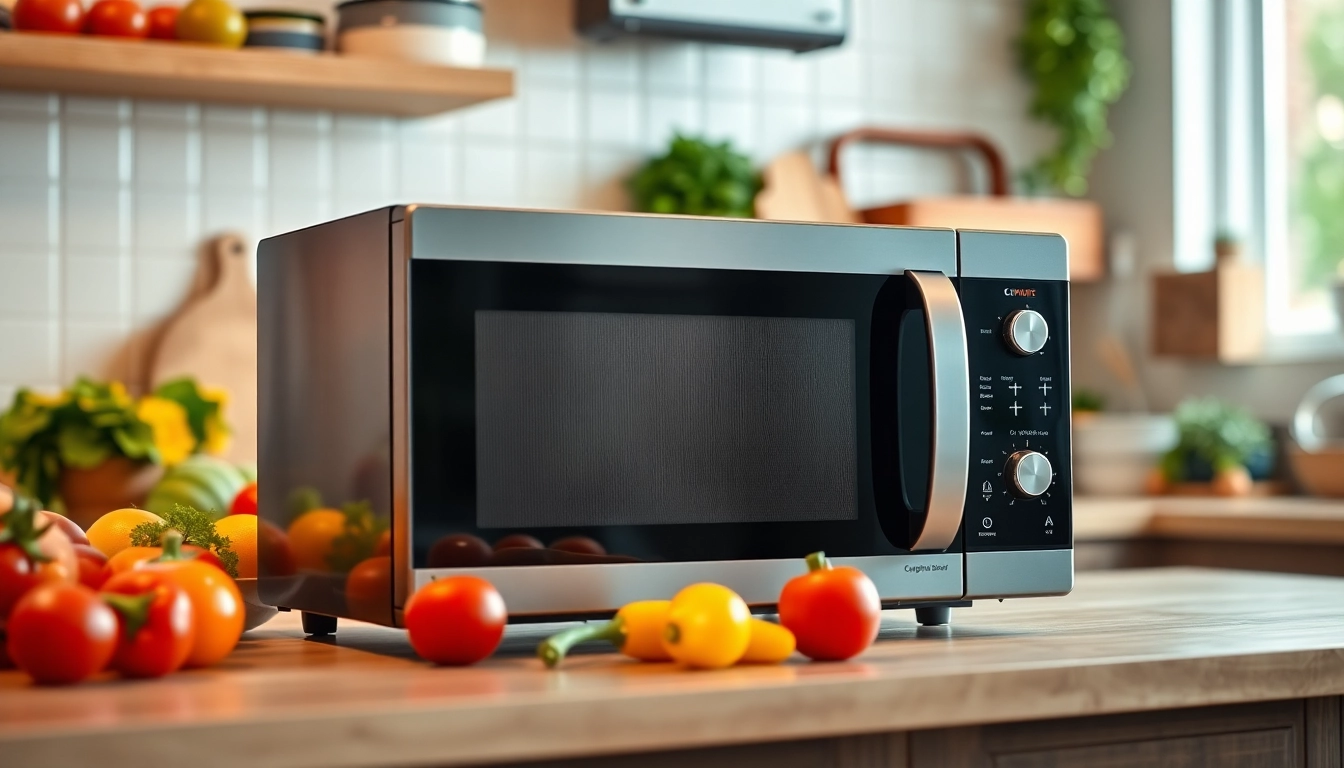
A microwave oven is an essential kitchen appliance that uses electromagnetic radiation in the microwave frequency range to heat and cook food. Its convenience and speed make it a classic feature in many homes, simplifying meal preparation and reheating tasks. Microwave ovens are versatile, allowing for various cooking methods including defrosting, baking, and grilling. For those looking to streamline their cooking process, a microwave oven can be a fantastic addition to the kitchen.
How microwave ovens work
Microwave ovens function through a combination of magnetron technology and dielectric heating. A magnetron generates microwaves by converting electrical energy into electromagnetic energy. These microwaves then bounce around the oven’s interior and are absorbed by the water molecules in the food. As the water molecules vibrate, they create heat, ultimately cooking or warming the food. This unique heating method not only cooks food thoroughly but also ensures that it retains moisture, unlike traditional methods that can dry out meals.
Different types of microwave ovens
Microwave ovens come in several types, each designed for specific needs and kitchen setups:
- Countertop Microwave Ovens: These are standalone units commonly found in kitchens. They offer versatility and portability, making them ideal for small spaces.
- Over-the-Range Microwave Ovens: These combine a microwave with a range hood, saving space while providing ventilation. They are typically installed above the stove.
- Built-in Microwave Ovens: These are designed to be integrated into kitchen cabinetry. They provide a sleek look and save countertop space.
- Convection Microwave Ovens: These combine microwave and convection cooking technologies, allowing for browning and crisping along with traditional microwave cooking.
Key Features to Consider Before Purchase
Power levels of microwave ovens
The wattage of a microwave oven significantly impacts its performance. Most household microwave ovens range between 600 to 1200 watts. Higher wattage means faster cooking times and better efficiency. When selecting a microwave, consider how you will use it: if you’re primarily reheating food, a lower wattage may suffice, while those who plan to cook full meals may benefit from a higher wattage oven. Additionally, adjustable power levels can help with specific cooking tasks that require slower heating.
Size and capacity of microwave ovens
Microwave oven size is another critical factor to consider. Typically measured in cubic feet, the capacity will determine how much food can be heated or cooked. Smaller 0.7 to 1.0 cubic feet ovens are suitable for single users or smaller households, while 1.5 cubic feet or larger units are better for families or cooking larger dishes. Always ensure that the microwave fits your kitchen space and meets your cooking requirements.
Essential cooking features in a microwave oven
When purchasing a microwave oven, look for essential cooking features that improve functionality:
- Pre-programmed Settings: These allow for one-touch cooking for various foods such as popcorn, pizza, or beverages.
- Sensor Cooking: This technology automatically adjusts cooking time and power based on steam emitted from the food.
- Turntable: A rotating turntable ensures even cooking by allowing microwaves to distribute uniformly.
- Child Safety Locks: Important for households with children, this feature prevents unintentional use.
Comparative Analysis: Microwave Ovens vs. Conventional Ovens
Cooking time and efficiency
Microwave ovens are known for their speed, often cooking food in a fraction of the time required by conventional ovens. For instance, reheating leftovers in a microwave typically takes minutes, while a conventional oven may require 20-30 minutes, primarily due to preheating. The efficiency of microwave ovens is evident, especially for quick meals and snacks.
Energy consumption comparison
Energy efficiency is another aspect where microwave ovens outshine conventional ovens. Microwave ovens consume less energy, as they do not need to heat an entire oven space to cook food. This can lead to notable savings on energy bills, especially for frequent cooking. When optimizing for energy usage, selecting a microwave oven can be a smart choice, particularly for lighter meal preparations.
Pros and cons of microwave oven usage
Like any appliance, microwave ovens come with their advantages and disadvantages:
- Pros: Quick cooking times, energy-efficient, less heat generated in the kitchen, versatile functions (defrosting, cooking, reheating).
- Cons: Limited browning and crisping ability compared to conventional ovens, potential uneven cooking if not used properly, may not be ideal for all cooking methods.
Best Practices for Using a Microwave Oven
Safe microwave oven usage tips
Safety should always be a priority when using a microwave oven. Some vital tips include:
- Avoid using metallic containers or aluminum foil, which can cause sparks.
- Use microwave-safe containers and covers to prevent spills and splatters.
- Ensure food is evenly arranged for consistent heating.
- Let food sit for a moment after microwaving, as it will continue to cook from residual heat.
Microwave cooking hacks for efficiency
Maximize your microwave usage with these tips:
- Steam Vegetables: Place vegetables in a bowl with a small amount of water, cover, and microwave for a healthy side.
- Cook Eggs: Beat eggs in a bowl, cover, and microwave for an easy scrambled egg dish.
- Reheat Pizza: Place a cup of water in the microwave with the pizza slice to keep the crust from getting rubbery.
- Use a Microwave Crisper Pan: These pans are designed to achieve a crispy finish you might expect from an oven.
Cleaning and maintenance of microwave ovens
Maintaining a microwave oven is essential for both hygiene and performance. Here are some steps to follow for cleaning:
- Wipe down the interior walls with a damp cloth after each use to prevent buildup.
- For stubborn stains, combine water and vinegar in a microwave-safe bowl, microwave for a few minutes to steam-clean, and wipe.
- Remove and clean the turntable regularly to ensure it rotates freely.
- Inspect and clean the vents to avoid overheating.
Frequently Asked Questions About Microwave Ovens
What is the average lifespan of a microwave oven?
The average lifespan of a microwave oven is typically 7 to 10 years, depending on the model and usage. Regular maintenance can extend its lifespan.
Can a microwave oven replace a conventional oven?
While a microwave oven can handle many tasks, it cannot fully replace a conventional oven for baking or roasting. It is ideal for reheating and quick meals.
How to troubleshoot common microwave oven issues?
If your microwave is not heating, check the power supply, door latch, and fuse. Unplug and restart it for simple resets. If issues persist, consult a technician.
What are the health implications of using a microwave oven?
Microwave ovens are generally safe. They do not cause food to lose nutrients more than conventional cooking methods, and cooking in microwave-safe containers is essential for safety.
Are there budget-friendly microwave oven options?
Yes, various budget-friendly microwave ovens are available. Prices vary based on wattage and features, but even basic models provide excellent performance and reliability.
About the Author