
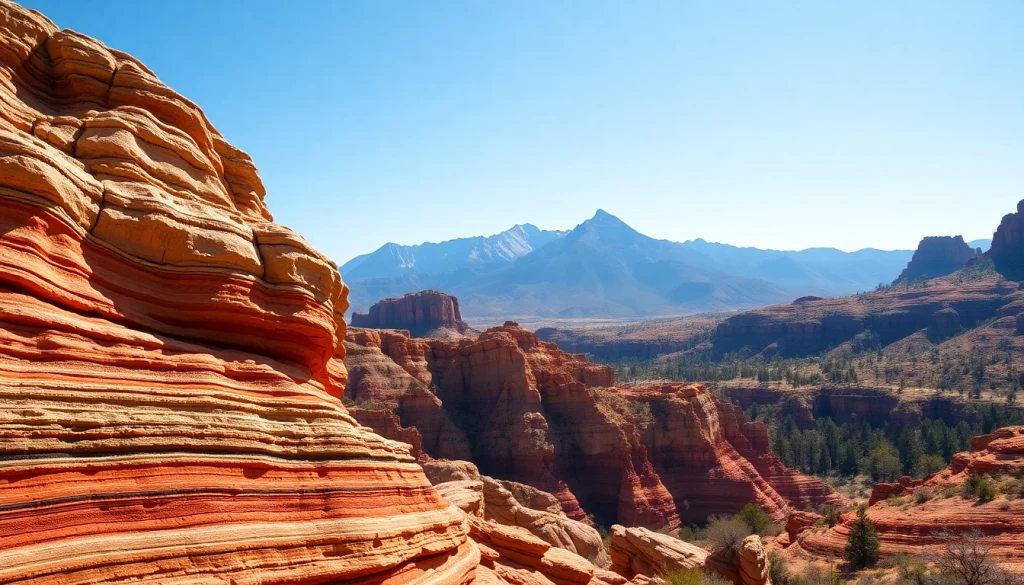
What is Geology?
Definition and Scope of Geology
Geology is the scientific study of the Earth, its structure, composition, and the processes that shape it. This discipline encompasses a variety of subfields, such as mineralogy, paleontology, and volcanology, each focusing on different aspects of Earth science. Geology does not only concern itself with our planet; it also includes the study of other celestial bodies. As the realm of geology expands, we increasingly recognize the interconnectedness of geological processes across the solar system.
Importance of Geology in Earth Sciences
The study of geology is crucial for numerous reasons. Firstly, it helps us understand natural disasters by examining tectonic movements, volcanic activity, and erosion patterns. Secondly, geology plays a vital role in resource management, guiding the responsible extraction of water, minerals, and fossil fuels. Furthermore, understanding geological formations is key to environmental protection and preservation of biodiversity. The knowledge gained through geological studies is applied in urban planning, construction, and disaster risk management, making this discipline an indispensable part of Earth sciences.
Common Misconceptions About Geology
Many misconceptions about geology persist. One common belief is that all geologists work in mines or oil fields; however, geologists can work in a range of fields from education to government agencies focused on environmental protection. Another misconception is that geology is solely about the study of rocks—while rocks play a significant role, geology also examines processes like erosion, sedimentation, and seismology. By dispelling these myths, we can encourage a broader appreciation of the diverse applications of geology.
Types of Geology and Their Significance
Physical Geology: Exploring Earth’s Composition
Physical geology focuses on the materials that compose the Earth and the processes that act upon these materials. This branch delves into the understanding of minerals, rock types, and geomorphology—the study of landforms. Physical geologists analyze earthquakes, landslides, and soil composition to provide vital information for construction projects and natural disaster preparedness. Their work ultimately contributes to a safer and more sustainable interaction with our planet.
Historical Geology: Understanding the Past
Historical geology seeks to uncover the Earth’s history through the study of rock layers (strata) and fossils. By analyzing geological formations and their temporal sequences, researchers can piece together an understanding of past climates, life forms, and even significant global events like mass extinctions. This knowledge helps to predict future geological patterns and understand current environmental changes, making historical geology a linchpin in understanding both our past and future.
Applied Geology: Aiding Modern Challenges
Applied geology is where theoretical knowledge meets practical application. It addresses contemporary challenges such as waste disposal, water resource management, and environmental degradation. Geologists in this field use their expertise to solve problems related to land use, urban development, and natural resource extraction, providing invaluable guidance in environmental policy and land management practices.
The Geology Processes: How Earth Works
Erosion and Weathering: Shaping the Landscape
Erosion and weathering are natural processes that gradually shape the Earth’s surface. Weathering refers to the breakdown of rocks through chemical, physical, or biological processes, making it crucial for soil formation. Erosion, on the other hand, involves the transportation of weathered materials by water, wind, or ice. Together, these processes sculpt landscapes, creating valleys, canyons, and plains, while also redistributing nutrients essential for ecosystems.
Volcanism and Plate Tectonics: Dynamic Earth
Volcanism and plate tectonics are two fundamental phenomena that explain the dynamic nature of our planet. Plate tectonics describes how the Earth’s lithosphere is divided into tectonic plates that move relative to each other, leading to the formation of mountains, earthquakes, and oceanic trenches. Volcanism occurs at plate boundaries and hotspots, resulting in the eruption of magma and the formation of new land. Understanding these processes is essential for hazard assessment and resource management.
Hydrology: The Role of Water in Geology
Hydrology studies the movement, distribution, and quality of water on Earth, integrating crucial geological principles. Water is a powerful agent of erosion and sediment transport, shaping landscapes in ways that influence ecosystems, climate, and human activity. Additionally, understanding hydrological cycles is vital for managing water resources and addressing challenges like flooding, drought, and water pollution.
Career Paths in Geology
Highest Paying Jobs in Geology
The field of geology offers a range of lucrative career opportunities. Among the highest-paying positions are geophysicists, drilling engineers, hydrogeologists, and exploration geologists. These roles often involve advanced technical skills and a strong understanding of geological principles and data analysis. As industries like oil, gas, and environmental consulting grow, the demand for skilled geologists continues to rise.
Educational Requirements for Aspiring Geologists
Most geology careers require at least a bachelor’s degree in geology or a related field, with many roles demanding a master’s or doctoral degree for more advanced positions, especially in research or academia. Coursework typically includes geology, chemistry, physics, and mathematics. Fieldwork experience is also crucial, providing practical skills that enhance a geologist’s expertise.
Internships and Entry-Level Opportunities
Internships are essential for aspiring geologists, providing first-hand experience and networking opportunities in the field. Entry-level positions often include field assistants, environmental technicians, or lab analysts. Many educational institutions also provide resources to connect students with internships, helping to bridge the gap between academic knowledge and real-world application.
Current Issues and Future Directions in Geology
Environmental Geology: Addressing Climate Change
Environmental geology focuses on the interactions between humans and geological systems. As climate change impacts become more pronounced, geologists are essential in developing strategies for mitigation and adaptation. This may include assessing geological hazards, informing land use planning, and understanding groundwater resources. Through their work, geologists play a crucial role in creating sustainable solutions for our planet’s future.
Geological Research and Technological Advancements
Advancements in technology have revolutionized the field of geology. Tools like Geographic Information Systems (GIS), remote sensing, and advanced geochemical analysis enhance our understanding of geological processes and resources. Ongoing research focuses on utilizing these technologies to tackle pressing issues like mineral exploration, environmental monitoring, and understanding natural hazards. The integration of data science and geology is expected to push the boundaries of our geological knowledge even further.
Public Awareness and Educational Outreach
Increasing public awareness of geology is essential for promoting informed decision-making about environmental issues. Educational outreach initiatives, combined with accessible information, can foster greater understanding and appreciation of geological sciences. Initiatives such as community workshops, public lectures, and interactive exhibits improve public engagement and interest, cultivating a future generation that values geological knowledge and its applications.
Frequently Asked Questions about Geology
What is the main focus of geology?
Geology focuses on the study of the Earth, including its structure, composition, processes, and history, along with the study of other celestial bodies.
Do geologists only study rocks?
No, geologists study a variety of topics including minerals, fossils, landforms, and the processes that shape the Earth over time.
What are the main types of geology?
Main types of geology include physical geology, historical geology, and applied geology, each focusing on different aspects of Earth science.
What degree do I need to become a geologist?
A bachelor’s degree in geology or a related field is typically required, while advanced positions may need a master’s or PhD for specialized knowledge.
What role do geologists play in climate change?
Geologists assess geological hazards, manage natural resources, and develop strategies for climate change mitigation and adaptation.