Understanding the Importance of a Quality Fly Fishing Net
In the realm of fly fishing, the right gear can significantly influence your success and experience. One of the most critical pieces of fishing equipment is the fly fishing net. A well-constructed fly fishing net not only enhances the catch-and-release process but also protects both the fish and the angler, making it an essential tool for conscientious fishermen.
Benefits of Using a Proper Fly Fishing Net
Utilizing a quality fly fishing net offers multiple benefits that can improve your fishing efficiency and contribute to sustainable practices. First and foremost, a properly designed net minimizes stress on the fish during the catch-and-release process. This is particularly important for species that are sensitive to handling, as it increases their chances of survival after being released.
Additionally, a good net enables anglers to secure their catch quickly, reducing the time the fish is out of water, which is crucial for their survival. The right net can also offer better control when landing fish, preventing them from shaking off or splashing back into the water before they can be secured.
Moreover, a fly fishing net can be an asset in keeping your gear organized and ready for action. Many nets come with features that allow for easy attachment to a vest or belt, ensuring that they are always within reach when needed.
Common Features of Fly Fishing Nets
Different fly fishing nets come with a variety of features designed to suit specific fishing needs. Some popular features include:
- Mesh Type: Nets often come with rubber-coated mesh which is gentler on fish and minimizes the chance of harm caused by traditional nylon.
- Handle Length: Longer handles can help anglers reach fish more comfortably without overextending.
- Weight: Lightweight nets are easier to carry around during long fishing trips and reduce fatigue.
- Folding Mechanisms: Many modern nets can be folded for easy storage in backpacks or vest pockets, enhancing their portability.
When to Invest in a Premium Fishing Net
Investing in a premium fly fishing net is advisable when you regularly engage in catch-and-release fishing, especially for species that require careful handling. If you frequently fish in diverse environments, a more expensive net may also provide durability and performance advantages that justify the cost. Specialty nets designed for specific fish types or conditions (such as saltwater nets) may also be worth the additional investment for dedicated anglers.
Types of Fly Fishing Nets Available
Understanding the various types of fly fishing nets is essential for selecting the best one for your needs. Here’s a detailed look at the most common types available on the market.
Material Comparison: Wood, Aluminum, and Plastic
Fly fishing nets come in three primary materials: wood, aluminum, and plastic. Each has its own pros and cons.
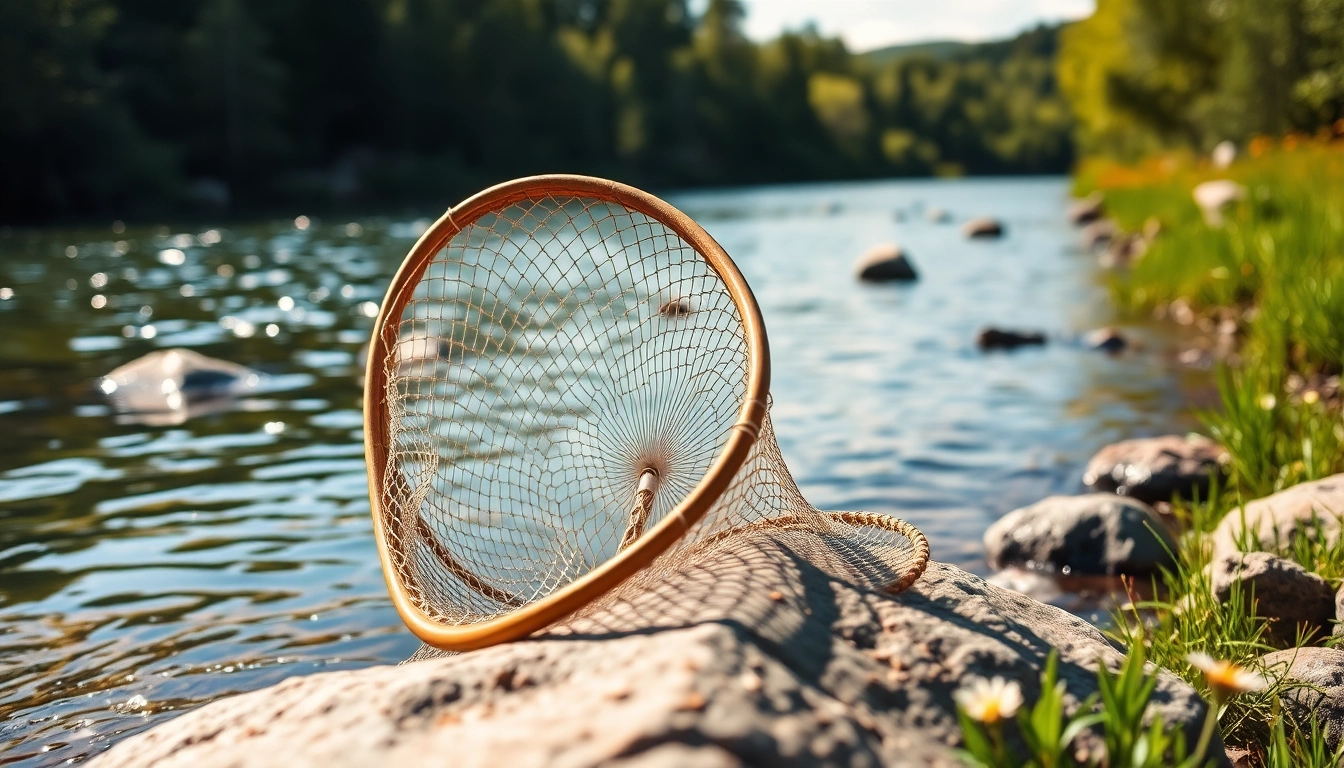
- Wood: Wood nets are often favored for their aesthetic appeal and lightweight nature. They offer a traditional feel but can be less durable if not maintained. Proper sealing and care can enhance their longevity.
- Aluminum: Aluminum nets are known for their strength and lightweight properties. They can withstand harsh conditions without rusting, making them suitable for freshwater and saltwater applications alike.
- Plastic: These nets are usually the most affordable option and are resistant to water absorption. While not as aesthetically pleasing, high-quality plastic nets can offer good durability and function.
Framed vs. No-Frame Fly Fishing Nets
Fly fishing nets can also be classified based on their structural design: framed and no-frame nets. Framed nets provide support and stability, making them easier for anglers to handle and effectively use. However, they can be bulkier and heavier than their no-frame counterparts.
No-frame nets, often preferred for their portability, present a minimalist option. Although they may require more skill to handle properly, they are generally lighter and easier to stow. Anglers must consider their fishing style and the environments in which they will be fishing when deciding between these two types.
Choosing the Right Size for Your Needs
Size matters when it comes to fly fishing nets. The right size will depend on the expected size of fish in the region and the conditions in which you are fishing. A smaller net may suffice for brook trout in smaller streams, while a larger net is essential for handling larger fish like carp or salmon.
As a guideline, nets generally range from 16 to 30 inches across the hoop. It is crucial to select a net with a length that allows comfortable lifting of your catch without excessive strain on your arms and body.
How to Select the Best Fly Fishing Net for Your Style
Finding the right fly fishing net is a multi-faceted process that requires an understanding of your personal fishing style, environment, and preferences.
Assessing Your Fishing Environment
The first step in selecting a fly fishing net is to evaluate your fishing environment. Consider factors such as the type of water (freshwater, saltwater, still lake, fast-moving river), the species of fish you typically target, and any unique regional challenges, like debris-covered streams.
For example, if you frequently fish in quick-moving water, a net with a longer handle and a rubberized mesh is beneficial to maneuver effectively while keeping the fish safe. If you target larger species, a net with a higher weight capacity is essential to land the catch securely.
Matching the Net to Your Fishing Technique
Different fishing techniques may demand different net styles and sizes. For catch-and-release fly fishing enthusiasts, rubber or mesh designs keep fish safe from scales and skin injuries. If you practice dry fly fishing or euro nymphing, nets with smaller openings can help you handle delicate fish without losing them.
Conversely, if your style includes deep-water fishing, look for nets with deeper baskets to accommodate the fish’s larger body and ensure a safer catch landing process.
Top Brands and Their Unique Offerings
Several brands stand out in the fly fishing net market, known for their quality and innovation. Some notable brands include:
- Fishpond: Known for their eco-friendly nets, Fishpond combines durable materials with thoughtful design, offering unique features like integrated net holsters.
- Net Game: Specializing in premium handcrafted wooden nets, Net Game nets are appreciated for their beauty and craftsmanship, allowing anglers to make a statement while fishing.
- Orvis: This brand offers a wide range of nets, focusing on performance and usability. Their nets include features like retractable grips for easy storage and high-quality workmanship.
Care and Maintenance of Your Fly Fishing Net
Taking proper care of your fly fishing net extends its lifespan and ensures optimal performance. Regular maintenance keeps the net functional and visually appealing for years to come.
Cleaning Techniques for Longevity
After each fishing trip, a quick cleaning can prevent the buildup of dirt, debris, and bacteria that could degrade your net over time. Use freshwater to rinse your net thoroughly, especially if it has been used in saltwater or muddy environments. By removing any residual substances, you can prevent corrosion and material breakdown.
A soft brush can be used to clean mesh, while wooden handles may benefit from occasional application of a wood conditioning oil to maintain their integrity and appearance.
Proper Storage Solutions
When not in use, fly fishing nets should be stored in a cool and dry place to prevent warping or other damage. For nets with frames, storing them flat rather than bent can help maintain their shape and functionality. Hanging nets vertically can also preserve their structure while keeping them accessible for your next fishing adventure.
Repair Tips for Common Wear and Tear
Even the best fishing nets can suffer from wear and tear. Familiarize yourself with common issues, such as torn mesh or cracked handles, so you can address them promptly. Minor mesh tears can often be repaired with a simple knot or by sewing, while wooden handles can be reinforced with wood glue in the case of splitting. For more serious damage, consider contacting a professional for repairs or exploring replacement options.
Enhancing Your Fly Fishing Experience with the Right Gear
Beyond selecting the right fly fishing net, overall fishing success is influenced by the integration of various components within your gear setup.
Integrating the Fly Fishing Net with Other Tackle
To maximize efficiency, consider how your fly fishing net integrates with other equipment. For example, if you are using a high-visibility line, make sure your net is also equipped with contrasting features for easy spotting. Additionally, keeping tools like forceps or a hook remover handy in conjunction with your net will streamline the catch-and-release process.
Simplifying your tackle organization makes or breaks ease during retrieval, and having systems in place can significantly enhance your fishing productivity.
Personalizing Your Fishing Accessories
Personalizing your fly fishing gear can enhance your experience and make it more enjoyable. Consider custom nets with engravings on the handle, or utilize different textures and colors for your gear. Tailoring your accessories to reflect your unique style not only gives a sense of ownership but can also add an element of creativity to your fishing trips.
Comparative Review of Popular Fishing Nets
A comparative review can also help you make an informed choice. Features like price, material, and usability can guide you toward selecting the ideal net. Reading reviews from other anglers who have tested various nets in the conditions you prefer can illuminate potential pitfalls or champions to consider.
As you weigh your options, your priorities—such as durability, weight, and design—will ultimately steer you toward the most suitable choice for your fishing ethos.
About the Author