Understanding HEPA Filters and Their Importance
What is a HEPA Filter?
A High Efficiency Particulate Air (HEPA) filter is an advanced filtration system designed to trap a high percentage of airborne particles. By adhering to specific standards set by the U.S. Department of Energy, a HEPA filter must remove at least 99.97% of particles that are 0.3 microns in diameter from the air that passes through it. This includes dust, pollen, mold spores, and pet dander, making it an essential tool for maintaining clean, healthy indoor air.
Benefits of Using HEPA Filters for Health
The primary advantage of incorporating hepa filters into your indoor environment is the significant health benefits they can bring. HEPA filters can effectively reduce allergens present in the air, making it more breathable and reducing the risk of respiratory issues. For individuals with asthma or allergies, the use of HEPA filters is often recommended by healthcare professionals to alleviate symptoms caused by airborne contaminants.
Additionally, clean air is critical for overall well-being. Contaminants not only affect our immediate health but can also contribute to long-term conditions such as chronic bronchitis and other lung problems. Utilizing HEPA filters can contribute to better overall air quality, which has been linked to improved cognitive function and productivity.
Common Misconceptions About HEPA Filters
Despite their benefits, several common misconceptions about HEPA filters persist. One prevalent myth is that all air purifiers contain HEPA filters; however, some cheaper models may use filtration techniques that do not meet HEPA standards. Another misconception is that once a HEPA filter captures particles, it does not need maintenance. In reality, regular replacement of the filters is necessary to maintain their efficacy and avoid airflow issues.
Choosing the Right HEPA Filter for Your Space
Factors to Consider When Selecting a HEPA Filter
Choosing the appropriate HEPA filter for your space involves considering several crucial factors:
- Room Size: Select a filter with the appropriate Clean Air Delivery Rate (CADR) indicated for the size of your room. A filter with insufficient capacity will not effectively clean the air.
- Filter Quality: Look for filters that have been independently tested and certified to meet HEPA performance levels. UL and AHAM are good standards to check.
- No Noise: If you are sensitive to noise, consider the operational sounds of the HEPA filter. Many modern units are designed for quiet operation while still maintaining efficiency.
Comparing HEPA Filters: Ratings and Standards
When comparing HEPA filters, it’s essential to familiarize yourself with their ratings and standards. True HEPA filters are those that meet the 99.97% efficiency standard at 0.3 microns, while HEPA-type filters may vary in their filtration effectiveness. This understanding can assist consumers in making informed choices, especially when selecting products imported or made in regions where certification might differ.
Top HEPA Filter Brands Reviewed
While there are many brands available, some stand out for their exceptional performance, reliability, and customer satisfaction. Notworthy brands include:
- Dyson: Known for their innovative design and technology, Dyson HEPA filters boast superior filtration systems and are well regarded for their high CADR ratings.
- Honeywell: Offers a range of affordable and effective HEPA filters suitable for various room sizes, with solid performance reviews.
- Blueair: Their products are often praised for their combination of HEPA filtration and activated carbon, effectively tackling odors and gases.
Installation Process of HEPA Filters
Step-by-Step Guide to Installing Your HEPA Filter
Proper installation is crucial for the efficacy of a HEPA filter. Follow these steps for optimal setup:
- Unbox Carefully: Remove the air purifier from its packaging, ensuring no damage occurred during transit.
- Read the Manual: Familiarize yourself with the manufacturer’s instructions regarding your specific model.
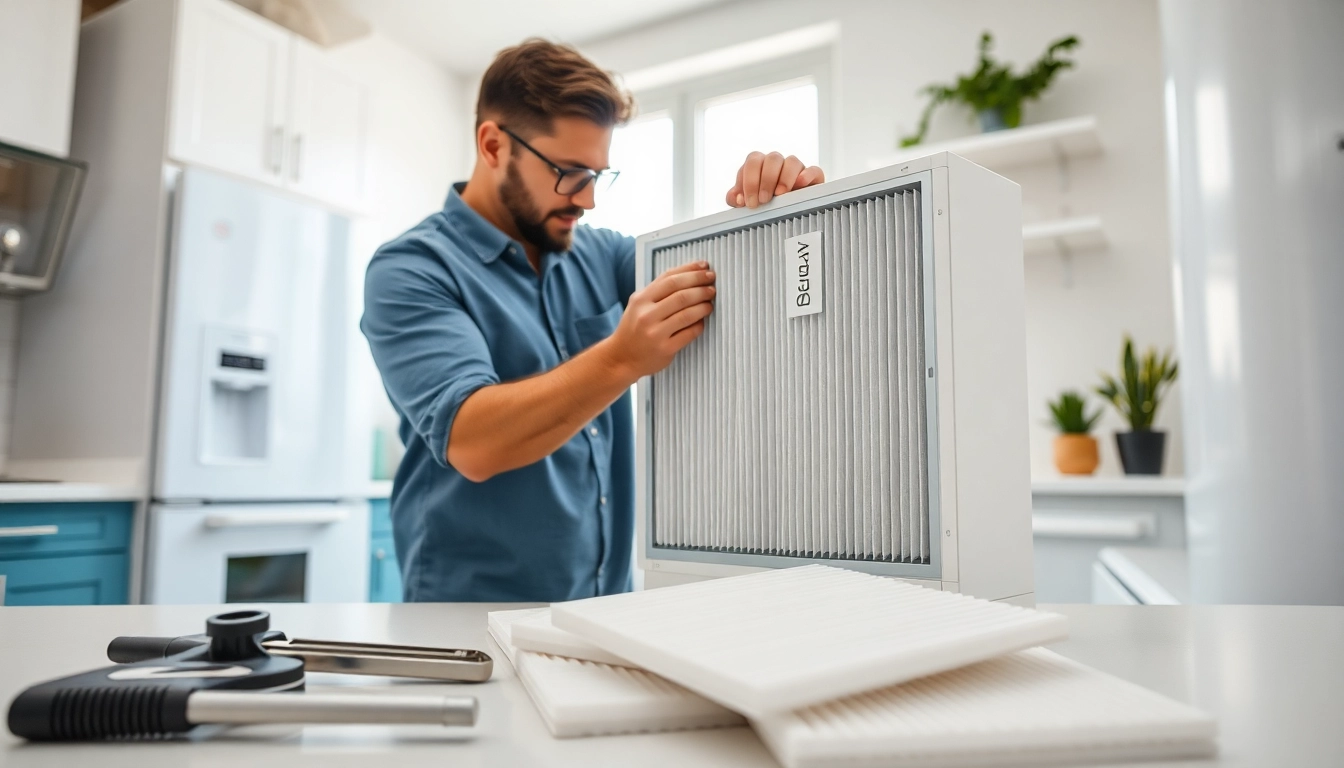
- Install the Filter: Open the filter compartment, remove any pre-filters if applicable, then insert the HEPA filter as per the indicated arrow direction.
- Check Seals: Ensure that the HEPA filter fits snugly, sealing any gaps to prevent air from bypassing the filter.
- Plug In and Test: Power on the device and listen for any irregular noises, which might suggest a misalignment or improper installation.
Common Installation Mistakes to Avoid
Several common mistakes can occur during HEPA filter installation:
- Ignoring the Manual: Not referencing the specific instructions can lead to improper installation.
- Incorrect Filter Orientation: Installing the filter upside down may prevent it from functioning properly.
- Failure to Seal: Ensuring that all compartments and seals are closed is vital for air purity.
Maintenance Tips for Optimal HEPA Filter Performance
HEPA filters require regular maintenance to ensure peak performance includes:
- Regular Replacements: Depending on usage and air quality, HEPA filters generally need replacement every 6-12 months.
- Cleaning Pre-Filters: If your HEPA system uses pre-filters, clean or replace them to enhance airflow and efficiency.
- Monitor Air Quality: Use air quality monitors to inform you when filters may need changing based on air saturation levels.
HEPA Filters in Different Environments
Using HEPA Filters in Homes vs. Commercial Spaces
HEPA filters can be utilized effectively in both residential and commercial settings, but their application differs:
- Residential: Home HEPA filters tend to focus more on allergens, dust, and pet dander, creating a comfortable living environment.
- Commercial: In commercial applications, HEPA filters may be part of an HVAC system, targeting various contaminants, including odors, bacteria, and industrial pollutants, to maintain air quality across larger spaces.
Special Considerations for Allergy Sufferers
For individuals with allergies, choosing the right HEPA filter becomes even more pivotal. The right filter, carefully selected, can significantly reduce the presence of allergens such as pollen, mold spores, and dust mites. Ensuring that air does not bypass the filter is key; therefore, utilizing a complete air purifier with a HEPA filter rather than standalone filters integrated into central air systems may yield optimal results.
Improvements in Indoor Air Quality with HEPA Filters
Studies have shown that using HEPA filters can substantially enhance indoor air quality. By actively trapping pollutants, these filters contribute to a reduction in airborne particulate matter, leading to health benefits such as improved respiratory function and reduced allergy symptoms. People who install HEPA filter systems typically report a marked decrease in asthma attacks, and better overall comfort due to cleaner air.
Future Trends in HEPA Filtration Technology
Innovations in HEPA Filters and Air Purification
The HEPA filter industry continues to evolve, with ongoing innovations aimed at enhancing air purification. Advances in nanofiber technology have resulted in filters that can capture smaller particles while maintaining airflow. Additionally, new designs incorporate active filtration, which can neutralize pollutants rather than just trap them.
The Role of Smart Technology in Air Quality Management
Smart technology integration in air purification systems is increasingly common. For instance, Wi-Fi-enabled HEPA filters can monitor air quality in real-time, adjusting filtration levels automatically based on detected pollutant concentrations. This technology allows users to maintain optimal air quality effortlessly and can be integrated with home automation systems.
Regulatory Changes and Their Impact on HEPA Filtration
As public awareness of air quality issues continues to rise, regulatory bodies are enacting stricter guidelines regarding indoor air quality standards. These changes may impact manufacturers to uphold higher standards of filtration, providing consumers access to more effective HEPA filter products. It’s essential for users to stay informed about these regulations to make educated purchasing decisions.
About the Author