
Understanding the Importance of Cleaning a Loofah
Loofahs have long been a staple in bathrooms, offering a natural way to exfoliate the skin while enhancing your bathing experience. However, many individuals might overlook the essential task of cleaning them regularly. Understanding how to clean a loofah properly is crucial for maintaining both hygiene and its longevity. By taking the time to clean your loofah, not only do you improve your bathing ritual, but you also promote a healthier lifestyle.
What Happens When You Don’t Clean Your Loofah?
Failing to clean your loofah leads to a buildup of dead skin cells, soap residue, and bacteria. Over time, this accumulation creates an ideal breeding ground for mold and other microorganisms, making the loofah counterproductive to your skincare routine. Instead of buffing away dead skin, a dirty loofah can irritate the skin and cause breakouts or infections, negating its intended benefits.
Health Risks Associated with Dirty Loofahs
Dirty loofahs can host harmful bacteria such as E. coli and Staphylococcus aureus, which can lead to skin infections and other health issues. Regular exposure to a contaminated loofah can also exacerbate skin conditions like eczema or acne. Individuals with sensitive skin or weakened immune systems should be particularly cautious. To prevent such health risks, understanding how to clean a loofah should become part of your hygiene routine.
Benefits of Regular Loofah Cleaning
Regularly cleaning your loofah not only reduces the risk of infections but also enhances your overall bathing experience. A clean loofah provides a more effective exfoliation and helps in maintaining healthy skin. Additionally, it can prolong the lifespan of the loofah, saving you money in the long run. Furthermore, cleaning your loofah regularly contributes to a fresher bath and keeps unpleasant odors at bay, ensuring each bathing session is both pleasant and invigorating.
How to Clean a Loofah Naturally: Step-by-Step Guide
Gathering the Right Materials
To clean your loofah effectively, you will need a few simple materials that are often readily available in your home:
- Warm water
- White vinegar or lemon juice
- Baking soda
- Essential oils (optional)
Having these items prepared in advance will make your cleaning process efficient and effective.
Step-by-Step Cleaning Process
Follow these steps to clean your loofah naturally:
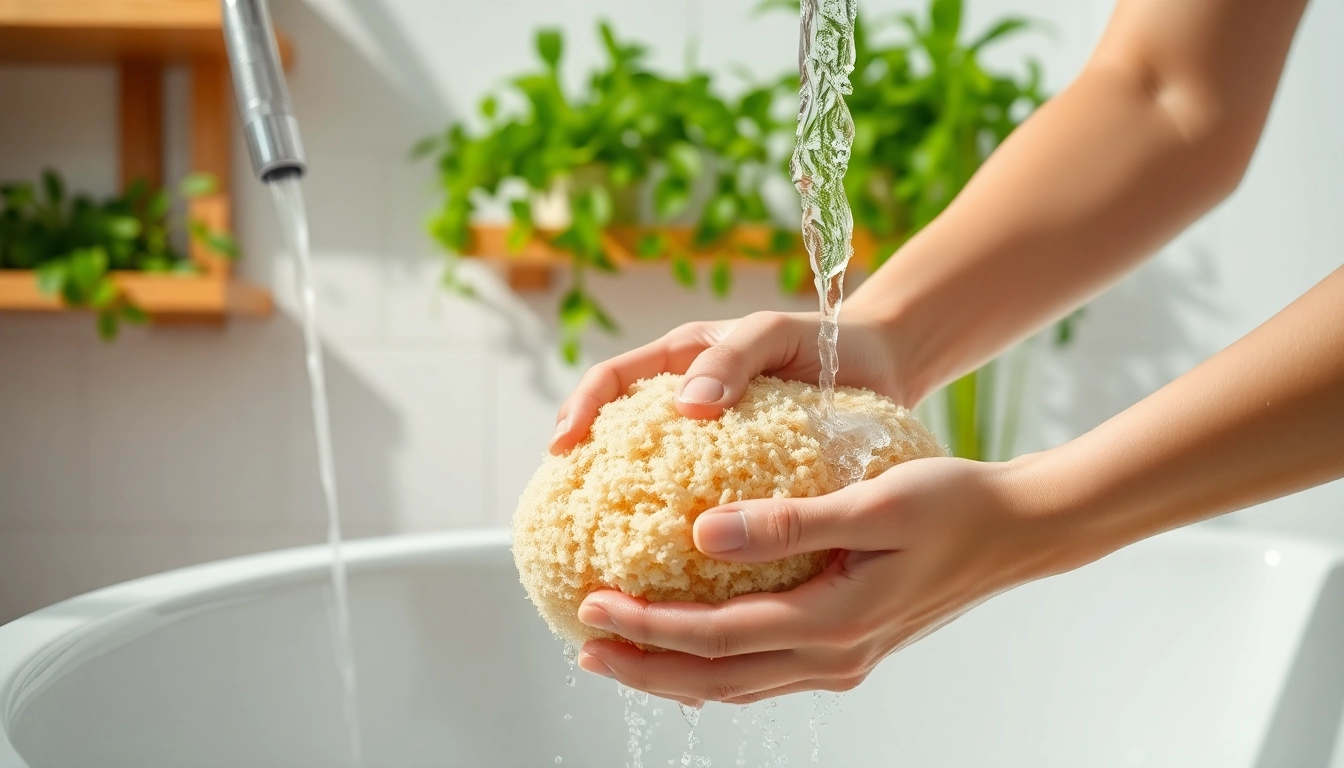
- Rinse: Start by thoroughly rinsing the loofah under warm running water to remove any soap and dead skin buildup.
- Soak: Prepare a mixture of equal parts of warm water and white vinegar (or lemon juice) in a bowl. Submerge the loofah in this mixture and let it soak for about 5-10 minutes.
- Scrub: After soaking, gently squeeze and scrub the loofah to dislodge any remaining grime. If needed, sprinkle some baking soda on it for extra scrubbing power.
- Rinse Again: Rinse the loofah under cold water to remove all traces of the cleaning solution and baking soda.
- Essential Oils (Optional): For added freshness, consider adding a few drops of your favorite essential oil (like tea tree or lavender) during the last rinse.
Drying and Storing Your Clean Loofah
After cleaning your loofah, it’s essential to dry it properly to prevent mold growth:
- Shake Off Excess Water: Gently shake or squeeze the loofah to remove as much water as possible without damaging its structure.
- Air Dry: Place the loofah in a well-ventilated area away from direct sunlight, as excessive heat can degrade its material. Hanging it up is ideal.
- Store in a Dry Place: Once completely dry, store your loofah in a dry and airy environment, ensuring it isn’t in a damp or closed-off space.
Homemade Solutions for Effective Cleaning
Using Vinegar and Baking Soda
Vinegar is a natural disinfectant, and when combined with baking soda, it creates a potent cleaning solution. Mix equal amounts of vinegar and baking soda in a bowl. You will see it fizzing up, which indicates it’s ready for use. Soak your loofah in this mixture for an effective clean that eliminates bacteria and odors.
Essential Oils for Disinfection
Essential oils not only add pleasant fragrances but also boast antibacterial properties. Oils like tea tree oil and lavender oil can help disinfect your loofah during the soaking process. Simply add a few drops to your vinegar and water mixture to amplify the cleaning effects and add a soothing scent.
Natural Bleach Alternatives
If you prefer a stronger cleansing action without using harsh chemicals, consider natural bleach alternatives like hydrogen peroxide. Mix equal parts of hydrogen peroxide and water to create a solution. Soak your loofah in this mixture for 15 minutes before rinsing it thoroughly to ensure all residues are washed away. Always test on a small part first to avoid any discoloration.
Common Mistakes When Cleaning a Loofah
Using Harsh Chemicals
One of the most significant mistakes individuals make is using harsh chemicals, such as commercial bleach or strong detergents, to clean their loofahs. These chemicals can damage the loofah material, reduce its effectiveness, and can leave harmful residues that can irritate the skin. Sticking to natural cleaning methods is often the best approach.
Improper Drying Techniques
Another mistake is not allowing the loofah to dry completely after cleaning. A moist loofah can easily become a breeding ground for mold and bacteria, rendering your efforts to clean it ineffective. Always ensure your loofah is completely dried before storing it away.
Frequency of Cleaning: What You Need to Know
Many people underestimate the frequency of cleaning needed for a loofah. Ideally, you should clean your loofah once every one to two weeks. If you notice any signs of mold or an unpleasant scent, it’s essential to wash it immediately. Additionally, replacing your loofah every two to three months is recommended to maintain healthy bathing practices.
FAQs About Cleaning a Loofah
How often should I clean my loofah?
It’s advisable to clean your loofah every one to two weeks to avoid bacteria buildup and ensure effective exfoliation.
Can I boil my loofah to clean it?
Boiling can damage natural loofah materials. Instead, use the vinegar-water solution for effective cleaning without damage.
What is the best way to store a clean loofah?
Store it in a dry, ventilated space away from moisture to prevent bacteria and mold growth.
Will cleaning damage my natural loofah?
Using gentle, natural cleaning methods will not damage your loofah. Avoid harsh chemicals or boiling temperatures.
Can I use regular soap to clean a loofah?
While regular soap can be used, it’s better to employ natural methods like vinegar and baking soda for a thorough clean.
About the Author