
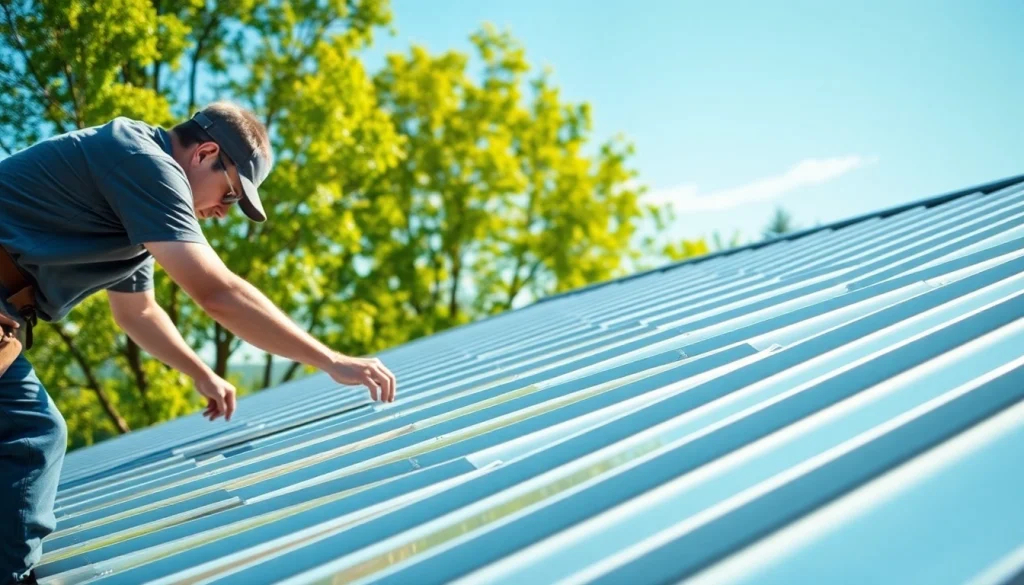
Understanding the Standing Seam Metal Roof
What is a Standing Seam Metal Roof?
A standing seam metal roof is a modern roofing solution characterized by vertical panels that are raised above the level of the roof deck, offering a sleek and stylish finish. The seams between these panels are interlocked and raised vertically, preventing water penetration and providing a clean aesthetic that adds value to any property. Known for its durability and longevity, the standing seam metal roof has gained popularity in both residential and commercial construction. For homeowners looking to invest in a robust roofing option, the standing seam metal roof provides an excellent combination of functionality and style.
Key Features and Benefits
One of the standout features of a standing seam metal roof is its seamless design, which eliminates the need for exposed fasteners. This design significantly reduces the risk of leaks, making it an ideal option for regions prone to heavy rain or snowfall. Additionally, standing seam roofs are available in various materials, including steel, aluminum, and copper, each offering unique advantages.
Key benefits include:
- Durability: Metal roofs can withstand severe weather conditions, including high winds and hail.
- Longevity: They have a lifespan of 40 to 70 years, depending on material quality and maintenance.
- Energy Efficiency: Many standing seam roofs feature reflective coatings that reduce heat absorption, thereby lowering energy costs.
- Low Maintenance: They require minimal upkeep compared to traditional roofing materials.
- Environmentally Friendly: Metal roofs are often made from recycled materials and are 100% recyclable at the end of their lifespan.
Material Options and Durability
When selecting a standing seam metal roof, homeowners have several material options to consider:
- Steel: Known for its strength, steel is often galvanized or coated with zinc to prevent rusting.
- Aluminum: Lightweight and resistant to corrosion, aluminum is a popular choice in coastal environments.
- Copper: Although more expensive, copper provides a stunning aesthetic and unmatched durability, developing a green patina over time.
Regardless of the material chosen, all standing seam roofs are engineered for longevity, often backed by extensive warranties that ensure performance for many decades.
Installation Process of a Standing Seam Metal Roof
Preparation and Planning
Successful installation of a standing seam metal roof begins with thorough preparation and planning. Homeowners should assess their roof’s structural integrity and ensure that any necessary repairs are made before installation. It’s essential to check the roof deck for any rot or damage and ensure it can support the weight of the new roofing material.
Additionally, local building codes and regulations should be reviewed, as these may dictate specific requirements for metal roofs. Securing the necessary permits before starting the installation can also prevent future legal issues.
Step-by-Step Installation Guide
The installation of a standing seam metal roof typically follows these steps:
- Remove Old Roofing: If applicable, safely remove the old roofing material, ensuring the deck is free of debris.
- Install Underlayment: Lay down a synthetic underlayment for added waterproofing and insulation, ensuring proper overlap.
- Set Up Furring Strips: Install furring strips if necessary to create a ventilation space between the roof and the metal panels.
- Align and Attach Panels: Begin by installing the first metal panel at the bottom edge of the roof, securing it with clips and allowing for thermal expansion.
- Interlock Panels: Attach subsequent panels, ensuring they interlock securely at the seams.
- Install Flashing and Trim: Add flashing around chimneys, vents, and gables to prevent water entry.
- Final Inspection: Perform a comprehensive inspection to ensure all fasteners are secure, and seams are properly sealed.
Choosing the Right Professional
While DIY enthusiasts might be tempted to tackle the installation of a standing seam metal roof on their own, hiring a qualified professional is often the best choice. Experienced roofers understand the nuances of metal roofing installation, such as the correct use of tools and techniques to secure panels properly. They also know how to navigate local building codes, ensuring a smooth process from start to finish. When selecting a contractor, always check references, review past projects, and obtain multiple quotes to ensure a balance of quality and cost.
Maintenance Tips for Your Standing Seam Metal Roof
Routine Inspection Practices
Although standing seam metal roofs are low maintenance, regular inspections are crucial for maintaining their performance and longevity. Homeowners should inspect their roofs at least twice a year, ideally in the spring and fall, to check for any signs of wear or damage. Look for dents, scratches, or loose panels, and address any issues promptly to prevent more significant problems down the line.
Cleaning and Care Techniques
Keeping your standing seam metal roof clean is essential for preserving its aesthetic appeal and functionality. Use a soft-bristle brush or a gentle pressure washer to remove dirt and debris. For stubborn stains, a mixture of mild detergent and water can be applied. Avoid using harsh chemicals, as they can damage the protective coating on the metal. Additionally, clear away any debris, such as leaves and branches, that may accumulate on the roof.
Common Issues and Solutions
Even with proper maintenance, standing seam metal roofs may encounter specific issues. Common problems include:
- Corrosion: This can occur if the paint or protective coating is scratched. Regularly inspect and touch up affected areas to prevent rust.
- Panel Expansion: Metal expands and contracts with temperature changes, so ensure panels are installed correctly to allow for movement.
- Fastener Issues: Periodically check and tighten fasteners as needed, especially after severe weather.
Addressing these issues promptly can extend the lifespan of your roof and maintain its efficiency.
Energy Efficiency of Standing Seam Metal Roofs
Reflectivity and Insulation Factors
One of the primary advantages of standing seam metal roofs is their reflectivity. Most metal roofing systems are coated with reflective materials that can drastically reduce heat absorption during the hot months. This characteristic not only enhances comfort inside the home but also lowers cooling costs significantly.
Additionally, metal roofs can be paired with insulation materials that provide further energy efficiency. Choosing the right insulation can minimize heat transfer, keeping homes cooler in the summer and warmer in the winter.
Long-term Energy Savings Analysis
Investing in a standing seam metal roof can yield substantial long-term energy savings. According to studies, homeowners can save 20-40% on their cooling costs, especially in regions with sweltering summers. The initial investment in a metal roof may be higher than other roofing types, but the reduction in energy expenses, combined with the roof’s longevity, results in excellent value over time. Many metal roofs also qualify for energy efficiency rebates, further enhancing their economic benefits.
Environmental Benefits
Beyond their energy efficiency, standing seam metal roofs offer notable environmental benefits. Constructed from recycled materials, they are a sustainable choice for homeowners. Furthermore, their durability means fewer materials end up in landfills over time, and their recyclability at the end of their lifespan contributes to a circular economy.
With their energy-efficient properties and eco-friendly materials, standing seam metal roofs align well with contemporary sustainability goals, making them an ideal choice for environmentally conscious homeowners.
Frequently Asked Questions about Standing Seam Metal Roofs
What is the lifespan of a standing seam metal roof?
A standing seam metal roof typically lasts 40 to 70 years, depending on materials and maintenance.
Can a standing seam metal roof be installed over shingles?
Yes, a standing seam metal roof can often be installed over existing shingles, which can save on removal costs.
How does a standing seam metal roof affect energy efficiency?
This roof type reflects heat, potentially reducing cooling costs, making it energy-efficient.
Is a standing seam metal roof noisy during rain?
Proper insulation can minimize noise, making them quieter than expected during rainstorms.
Are standing seam metal roofs available in various colors?
Yes, they come in a wide range of colors to match different architectural styles and preferences.