
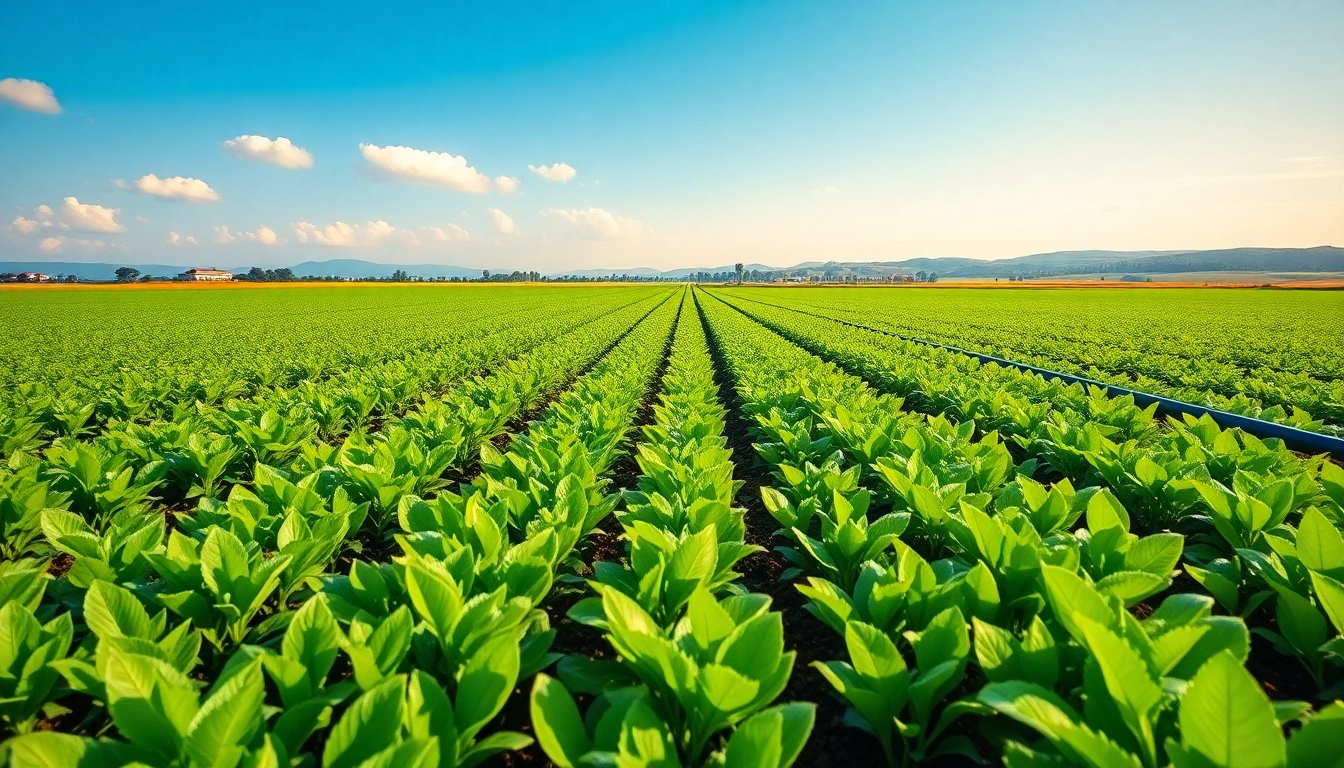
Understanding Land Irrigation Fundamentals
What is Land Irrigation?
Land irrigation refers to the systematic application of water to soil or land to assist in the growing of crops and vegetation. It is a crucial agricultural practice, enabling farmers to cultivate crops in varying climates and soils, particularly in areas where rainfall is insufficient or irregular. The use of land irrigation helps stabilize food production, increases crop yield, and enhances the efficiency of water usage in agriculture. This method can be applied through various systems, each designed to meet specific agricultural and environmental needs.
Types of Land Irrigation Systems
Understanding the different types of land irrigation is essential for effective management and utilization of resources. The primary irrigation systems include:
- Surface Irrigation: Water is distributed over soil surface by gravity. This is the oldest form of irrigation and is often seen in furrow, basin, and flood systems.
- Drip Irrigation: This method involves localized application of water directly at the root zone of plants, which minimizes evaporation and runoff. It is ideal for water-scarce environments.
- Sprinkler Irrigation: Sprinkler systems imitate natural rainfall by distributing water through a piping system, utilizing pumps to pressurize the water. This is particularly effective for larger areas.
- Subsurface Irrigation: Water is applied below the surface through buried pipes or tubes. This system conserves water and reduces weed growth.
Benefits of Proper Land Irrigation
Effective land irrigation offers numerous benefits, including:
- Increased Agricultural Productivity: A reliable water supply significantly boosts crop yields and helps maintain consistent production levels.
- Resource Efficiency: Well-managed irrigation reduces water wastage, ensuring that crops receive only what they need to thrive.
- Soil Health Improvement: Proper irrigation can enhance soil structure and fertility, supporting sustainable farming practices.
- Reduced Dependability on Rainfall: Farmers are less affected by weather unpredictability, which is vital in regions experiencing erratic climate conditions.
Planning and Design of Land Irrigation
Assessing Water Needs for Crops
Before implementing a land irrigation system, it is vital to assess the specific water requirements for various crops. This includes understanding:
- Crop type and growth stages – Different crops have varying water needs throughout their growth cycle.
- Soil type and texture – Soil characteristics influence water retention and drainage capabilities.
- Climate zone – The local climate determines rainfall patterns and evaporation rates, guiding irrigation scheduling.
Choosing the Right Irrigation Method
Selecting the most suitable irrigation method is critical for achieving optimal water efficiency and crop health. Factors to consider include:
- Type of crops to be irrigated – Different crops may benefit from specific irrigation techniques.
- Available resources – Financial, technological, and human resources can limit the choice of irrigation method.
- Field layout and topography – The physical environment of the field will impact how water is distributed effectively.
Soil and Site Evaluation Techniques
Conducting thorough soil and site evaluations is necessary for successful irrigation planning. Techniques may include:
- Soil sampling and testing – Analyzing soil samples for composition, pH, and nutrient levels.
- Field mapping – Detailed mapping of the field dimensions, slopes, and landscape features for optimal system design.
- Hydrologic modeling – Using simulations to understand water movement and retention within the soil.
Implementation of Land Irrigation Systems
Step-by-Step Installation Process
Installing an irrigation system involves several critical steps:
- Planning: Compile all necessary assessments and plans before installation.
- Selecting Equipment: Choose appropriate irrigation tools and materials based on selected methods.
- Ground Preparation: Prepare the land, including leveling and removing obstacles.
- Installation: Properly install all components, including pipes, fittings, and pumps, adhering to manufacturer guidelines.
- Testing: Conduct thorough testing of the system to ensure functionality and efficiency.
Common Challenges in Setup
While setting up a land irrigation system, several challenges may arise, including:
- Poor water source quality – Contaminants can hinder plant growth and irrigation efficiency.
- Improper system design – Inadequate planning can lead to inefficiencies and crop failure.
- Inconsistent flow rates – Varying water pressure can disrupt irrigation schedules.
Key Tools and Equipment Required
Essential tools and equipment for land irrigation installation include:
- Pipes and fittings – The backbone of any irrigation system.
- Pumps – Essential for distributing water through pressure-driven systems.
- Filters and regulators – Help maintain water quality and pressure consistency.
- Controllers and timers – Automate irrigation schedules to improve efficiency.
Maintenance for Efficient Land Irrigation
Regular System Inspections
To ensure long-term functionality, conduct regular inspections of the irrigation system, including:
- Inspecting for leaks and damages.
- Checking flow rates and pressure levels.
- Cleaning filters and drip emitters to prevent clogging.
Troubleshooting Common Issues
Address common irrigation issues promptly to maintain efficiency:
- Low pressure – May indicate a leak or pump issues; check all components.
- Uneven watering – Adjust emitters or sprinkler heads for uniform distribution.
- Clogs – Flush systems regularly to eliminate blockages.
Seasonal Adjustments for Optimal Performance
As seasons change, so do water needs. Adjust irrigation schedules based on:
- Seasonal growth patterns of crops.
- Weather conditions, such as rain forecasts.
- Soil moisture levels to prevent overwatering or drought stress.
Future Trends in Land Irrigation
Technological Advances in Irrigation
Emerging technologies are transforming land irrigation methods. Innovations include:
- Smart irrigation management – Utilizing sensors and IoT devices to monitor soil moisture and automate watering.
- Drones for aerial monitoring – Drones can provide insights into crop health and irrigation efficiency from above.
- Precision agriculture – The use of data analytics to optimize irrigation practices based on real-time feedback.
Eco-friendly Innovations in Water Management
Eco-conscious practices are becoming increasingly important in irrigation, with trends such as:
- Rainwater harvesting – Capturing and storing rainwater for irrigation use promotes sustainability.
- Recycling wastewater – Advanced purification techniques to treat greywater for agricultural applications.
- Use of renewable energy – Solar and wind energy solutions for powering irrigation systems.
The Role of Data in Smart Irrigation
Data analytics plays a pivotal role in enhancing irrigation systems. Farmers are now utilizing:
- Sensors to gather data on soil moisture and weather conditions.
- Data visualization tools to make informed irrigation decisions.
- Predictive analytics to forecast water requirements and crop needs, guiding timely interventions.
Frequently Asked Questions
What is the most efficient irrigation method?
Drip irrigation is often considered the most efficient method, delivering water directly to the plant roots, minimizing evaporation and runoff.
How much water do crops need?
The water needs of crops vary by type and growth stage. On average, they can require anywhere from 0.5 to 2 inches of water per week.
How often should I irrigate my crops?
Irrigation frequency depends on several factors like crop type, soil moisture, and seasonal conditions, typically ranging from daily to weekly schedules.
What factors affect irrigation water quality?
Factors include pH level, presence of salinity, contaminants, and sediment. Regular quality testing is essential for healthy crop growth.
Can I use greywater for irrigation?
Yes, recycled greywater can be safely used for irrigation but it must be treated properly to eliminate harmful pathogens and chemicals.
About the Author