

- Understanding How Daily Habits Influence Stress and Anxiety
- Chronic Overcommitment
- Poor Sleep Habits
- Excessive Screen Time and Digital Overload
- Avoidance of Emotional Discomfort
- Perfectionism and Unrealistic Standards
- Neglecting Physical Health
- Overthinking and Rumination
- Lack of Boundaries
- Social Withdrawal and Isolation
- Lack of Reflection and Self-Awareness
- Replacing Harmful Habits With Healthier Responses
- Long-Term Impact of Habit Change
- Conclusion
- FAQs
Understanding How Daily Habits Influence Stress and Anxiety
Stress and anxiety are not only triggered by major life events or sudden challenges. In many cases, they are quietly reinforced by everyday habits that seem harmless but gradually undermine mental health. These habits often become part of routine life, making them difficult to recognize and address. Over time, they increase emotional strain, reduce resilience, and disrupt psychological balance.
Stress and anxietythrive in patterns. When certain behaviors are repeated daily, they shape how the brain responds to pressure, uncertainty, and emotional discomfort. Understanding these habits is a critical step toward protecting mental health and building healthier coping mechanisms that support long-term emotional wellbeing.
Chronic Overcommitment
Constantly Saying Yes
One of the most damaging habits is chronic overcommitment. Consistently saying yes to responsibilities, favors, and obligations without considering personal limits creates ongoing stress and anxiety. This habit often stems from people-pleasing tendencies, fear of conflict, or a desire for validation.
Overcommitment reduces recovery time and increases emotional exhaustion. When personal needs are repeatedly sacrificed, resentment, fatigue, and anxiety quietly accumulate, weakening mental resilience.
Ignoring Personal Capacity
Failing to assess emotional and physical capacity before taking on tasks leads to overwhelm. Stress and anxiety increase when individuals push beyond sustainable limits, especially without adequate rest or support. Respecting personal capacity is essential for maintaining mental health.
Poor Sleep Habits
Inconsistent Sleep Schedules
Irregular sleep patterns significantly harm mental health. Going to bed and waking up at inconsistent times disrupts the body’s natural rhythms, impairing emotional regulation. Poor sleep reduces the brain’s ability to manage stress and anxiety effectively.
When sleep is inconsistent, emotional reactions intensify, concentration declines, and anxiety becomes more difficult to control. Over time, chronic sleep disruption creates a cycle in which stress and anxiety further interfere with rest.
Mental Stimulation Before Bed
Engaging in mentally stimulating activities late at night, such as excessive screen use or consuming stressful information, heightens anxiety and delays relaxation. This habit keeps the nervous system activated, preventing restorative sleep and increasing emotional vulnerability the following day.
Excessive Screen Time and Digital Overload
Constant Information Consumption
Continuous exposure to news, social media, and digital notifications overwhelms the brain. This habit quietly fuels stress and anxiety by keeping the mind in a constant state of alertness. Negative headlines, comparison, and information overload increase emotional tension without providing relief.
Social Comparison
Comparing personal life to curated online portrayals creates unrealistic expectations and self-doubt. This habit often leads to feelings of inadequacy, dissatisfaction, and anxiety. Over time, constant comparison erodes self-esteem and emotional stability.
Lack of Mental Breaks
Digital overload reduces opportunities for mental rest. Without intentional breaks, the brain struggles to recover from stress, leading to cognitive fatigue and heightened anxiety responses.
Avoidance of Emotional Discomfort
Suppressing Emotions
Avoiding uncomfortable emotions is a common habit that quietly harms mental health. Suppression may provide short-term relief, but unresolved emotions often resurface as chronic stress and anxiety. Emotional avoidance prevents healthy processing and emotional growth.
Escaping Through Distractions
Using distractions such as excessive entertainment, food, or substances to escape emotional discomfort reinforces avoidance. While these behaviors may temporarily numb feelings, they do not address underlying causes, allowing stress and anxiety to persist.
Perfectionism and Unrealistic Standards
Constant Self-Criticism
Perfectionism drives chronic stress and anxiety by setting unattainable standards. Individuals who constantly criticize themselves for perceived flaws rarely feel satisfied, even when performing well. This habit creates persistent emotional pressure and fear of failure.
Fear of Making Mistakes
An excessive fear of mistakes leads to avoidance, procrastination, and indecision. Stress and anxiety increase when individuals believe errors define their worth. Over time, this mindset restricts growth and damages confidence.
Neglecting Physical Health
Sedentary Lifestyle
Lack of physical activity contributes to higher stress and anxiety levels. Movement helps regulate stress hormones and supports emotional balance. A sedentary lifestyle deprives the body of a natural outlet for tension, allowing stress to accumulate.
Poor Nutrition Choices
Regular consumption of highly processed foods, excessive sugar, and stimulants destabilizes mood and energy levels. These dietary habits can increase irritability and anxiety, making emotional regulation more difficult.
Ignoring Physical Warning Signs
Neglecting physical signals such as fatigue, headaches, or tension allows stress and anxiety to worsen. The body often signals emotional overload before the mind fully acknowledges it. Ignoring these signs prolongs strain and delays recovery.
Overthinking and Rumination
Replaying Past Events
Repeatedly replaying past mistakes or conversations reinforces anxiety and self-doubt. This habit keeps the mind focused on perceived failures rather than solutions, increasing emotional distress.
Anticipating Negative Outcomes
Habitual anticipation of worst-case scenarios amplifies stress and anxiety. While intended as a protective strategy, this pattern heightens emotional tension and reduces the ability to remain present.
Difficulty Letting Go
An inability to let go of unresolved thoughts prevents mental rest. Rumination keeps the nervous system activated, contributing to emotional fatigue and sleep disturbances.
Lack of Boundaries
Blurred Work-Life Boundaries
When work extends into personal time, recovery becomes limited. Constant availability increases stress and anxiety by eliminating emotional downtime. Over time, this habit leads to burnout and emotional exhaustion.
Emotional Overexposure
Absorbing others’ problems without limits drains emotional energy. While empathy is valuable, excessive emotional involvement without boundaries increases anxiety and reduces personal resilience.
Social Withdrawal and Isolation
Avoiding Connection
Withdrawing from social interaction may feel protective during stressful periods, but isolation often worsens anxiety and emotional distress. Human connection plays a vital role in emotional regulation and resilience.
Reduced Emotional Expression
Avoiding emotional expression limits opportunities for support and understanding. Suppressed emotions often intensify stress and anxiety over time, reducing mental wellbeing.
Lack of Reflection and Self-Awareness
Operating on Autopilot
Living on autopilot prevents awareness of habits that contribute to stress and anxiety. Without reflection, harmful patterns persist unnoticed, gradually undermining mental health.
Ignoring Emotional Needs
Failing to regularly check in with emotional needs leads to imbalance. Emotional neglect often manifests as irritability, fatigue, or anxiety without an obvious cause.
Replacing Harmful Habits With Healthier Responses
Building Awareness
Awareness is the first step toward change. Observing daily habits, emotional reactions, and stress patterns allows individuals to identify behaviors that quietly increase anxiety.
Practicing Mindfulness
Mindfulness reduces automatic reactions and increases emotional clarity. Regular practice helps individuals notice stress and anxiety early and respond with intention rather than habit.
Establishing Healthy Routines
Consistent routines support emotional stability. Balanced sleep schedules, regular meals, movement, and relaxation create a foundation for mental health.
Setting Boundaries
Healthy boundaries protect emotional energy. Learning to say no, limiting digital exposure, and creating separation between responsibilities and rest reduce chronic stress.
Encouraging Emotional Expression
Healthy emotional expression through conversation, journaling, or creative outlets prevents emotional buildup. Processing emotions reduces their intensity and supports long-term mental wellbeing.
Seeking Support
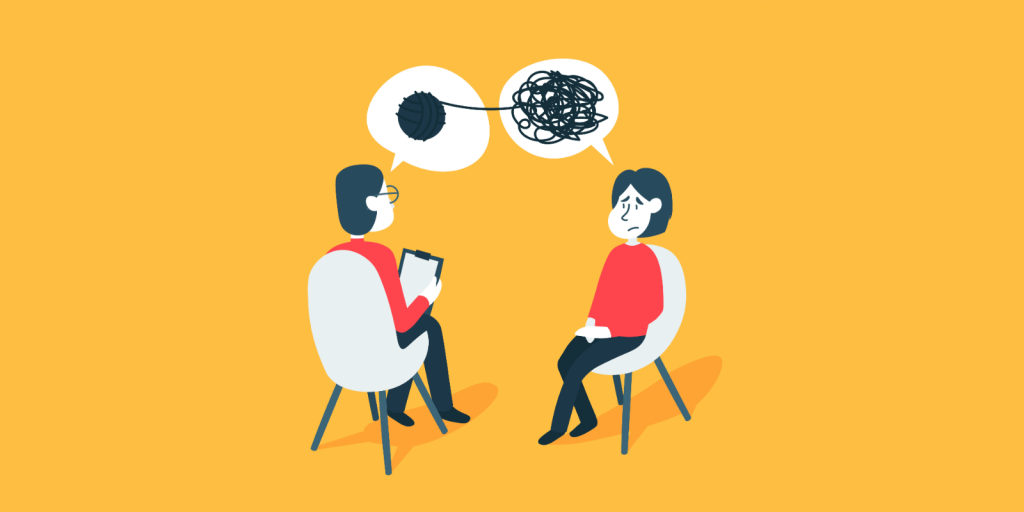
Support from trusted individuals or professionals helps address deeply ingrained habits. Guidance provides perspective, accountability, and effective strategies for managing stress and anxiety.
Long-Term Impact of Habit Change
Improved Emotional Resilience
Replacing harmful habits with supportive ones strengthens emotional resilience. Individuals become better equipped to handle challenges without becoming overwhelmed by stress and anxiety.
Greater Self-Trust
Healthy habits build confidence in emotional regulation. Trust in one’s ability to cope reduces anxiety and enhances overall mental health.
Sustainable Mental Wellbeing
Sustainable mental wellbeing is achieved through consistent, intentional habits. Over time, healthier patterns reduce baseline stress and create a more balanced emotional life.
Conclusion
Stress and anxiety are often reinforced by everyday habits that quietly harm mental health. Chronic overcommitment, poor sleep, digital overload, emotional avoidance, perfectionism, neglect of physical health, overthinking, lack of boundaries, isolation, and limited self-awareness all contribute to ongoing emotional strain. While these habits may feel normal or unavoidable, they gradually increase vulnerability to stress and anxiety. Awareness, mindfulness, healthy routines, boundaries, emotional expression, and support are essential for breaking these patterns. By replacing harmful habits with intentional, supportive behaviors, individuals can protect their mental health, reduce stress and anxiety, and cultivate long-term emotional wellbeing. Your next great read is waiting on our homepage—check it out now.
FAQs
How do daily habits increase stress and anxiety without being obvious?
Daily habits shape emotional responses over time. Behaviors such as poor sleep, constant digital exposure, emotional suppression, and overcommitment gradually increase nervous system activation, making stress and anxiety more persistent.
Can changing small habits really improve mental health?
Yes, small habit changes have a significant cumulative effect. Improving sleep routines, setting boundaries, reducing screen time, and practicing mindfulness consistently lower baseline stress and strengthen emotional resilience.
When should someone seek professional help for stress and anxiety related to habits?
Professional help should be considered when stress and anxiety persist despite lifestyle changes, interfere with daily functioning, or feel overwhelming. A mental health professional can help identify patterns and develop effective strategies for sustainable change.
About the Author