
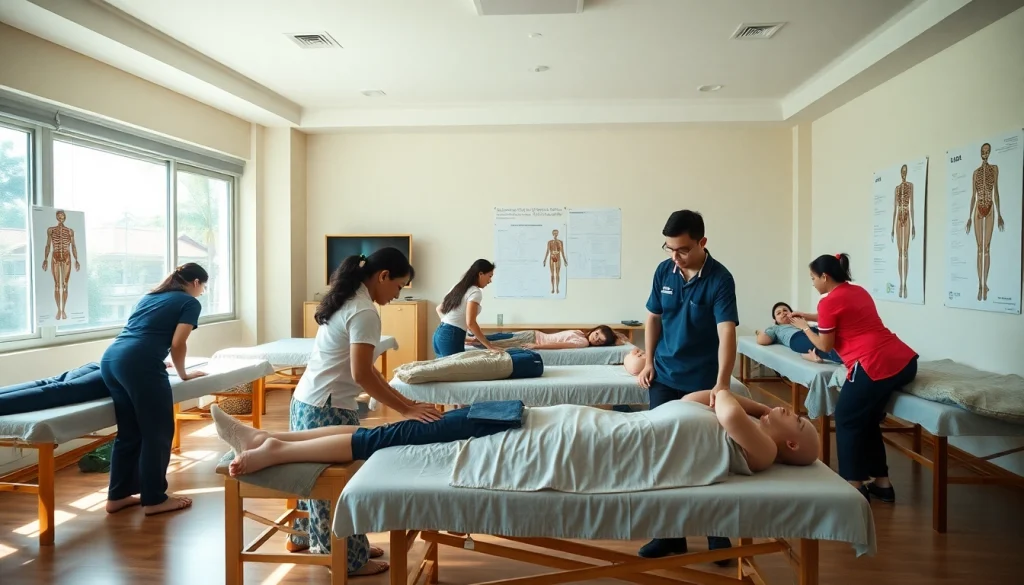
Overview of Postural Massage Courses at Chiang Mai Massage School
In today’s fast-paced world, where stress and physical discomfort are prevalent, the importance of effective pain relief and posture correction cannot be overstated. The Chiang Mai Massage School offers specialized postural massage courses designed to equip aspiring and current massage therapists with the skills required to address these issues effectively. Our programs are not just about learning techniques; they are about empowering participants to apply sports medicine principles in a practical setting, enhancing their career prospects and improving client outcomes.
Introduction to Postural Massage and Its Benefits
Postural massage is a therapeutic approach that focuses on correcting musculoskeletal imbalances that contribute to poor posture and chronic pain. By employing targeted techniques, such as deep tissue and trigger point therapy, practitioners can alleviate discomfort and promote better alignment of the body. The benefits of postural massage extend beyond immediate pain relief; they include enhanced mobility, improved athletic performance, and greater overall wellness. As professionals in the health and wellness industry, it is crucial to stay informed about such evolving techniques.
Key Features of Our Massage School Programs
At the Chiang Mai Massage School, we pride ourselves on our evidence-based, hands-on training that merges theoretical knowledge with practical application. Our courses are structured to ensure that each participant receives personalized attention, enabling them to develop their skills at their own pace. With a strong emphasis on practical outcomes, our curriculum includes a variety of modalities designed to suit various professional needs.
Core Courses Offered at Chiang Mai Massage School
Trigger Point Therapy Course Details
The Trigger Point Therapy Course is essential for massage professionals seeking to specialize in chronic pain treatment. Participants will learn how to identify and treat trigger points that cause discomfort in various muscle groups. This hands-on course focuses on the following key areas:
- Understanding the anatomy of trigger points
- Techniques for effective palpation and treatment
- Rehabilitation strategies for chronic pain
Deep Tissue Massage Course and Techniques
Our Deep Tissue Massage Course is designed to address complex muscular issues such as anterior pelvic tilt and lumbar lordosis. Students will be introduced to techniques that focus on:
- Postural assessment and correction
- Application of deep tissue methods for muscle tension release
- Integration of sports medicine principles in practice
Upon completion, participants will be equipped to perform comprehensive deep tissue sessions that can significantly enhance their clients’ well-being.
Dynamic Myofascial Release Course Overview
The Dynamic Myofascial Release Course is tailored for practitioners looking to enhance joint mobility and relieve muscular tension. This course emphasizes:
- Techniques for improving myofascial glide
- Integration of stretching and joint mobilization
- Application of assessments to personalize treatment plans
By mastering these techniques, students will add versatility to their therapeutic repertoire, opening doors to advanced practice opportunities.
Practical Application and Learning Environment
Hands-On Training with Expert Instructors
Our courses are led by experienced practitioners who bring a wealth of knowledge from the field of sports medicine. Each participant engages in hands-on training that simulates real-world scenarios, allowing for immediate application of learned techniques. This practical approach ensures that students can confidently transition their skills into their professional practices.
Class Size and Personalized Learning Approach
To facilitate effective learning, we maintain a limited class size, typically capped at seven participants. This structure fosters a supportive learning environment where instructors can offer personalized guidance tailored to individual learning styles and needs. Students have the opportunity to ask questions, practice techniques, and receive constructive feedback to refine their skills.
Use of Cadaver Visuals for Enhanced Understanding
One of the distinctive features of our training is the incorporation of cadaveric visuals to deepen students’ anatomical understanding. This aspect of our curriculum allows practitioners to gain a more nuanced appreciation of body mechanics, crucial for effective assessment and treatment planning. By observing real anatomical structures, students are better prepared to translate their knowledge into practical skills.
Student Success Stories and Testimonials
Case Studies: Transforming Skills into Practice
Numerous graduates from the Chiang Mai Massage School have successfully integrated their training into diverse professional environments, from rehabilitation clinics to athletic performance centers. Case studies highlight how specific techniques learned in our courses have led to significant improvements in client outcomes. These success stories underscore the real-world applicability of our training.
Feedback from Graduates and Professionals
Feedback from our alumni consistently indicates that the skills they acquired at our school have enhanced their confidence and competence as massage therapists. Many report higher satisfaction rates from clients, attributing this to the targeted, evidence-based approaches they learned during their courses.
Impact of Training on Career Advancement
By completing our courses, graduates often experience increased job opportunities and the potential for higher earnings. The comprehensive skill sets developed through our training programs make them competitive candidates within the massage therapy field.
Future Trends in Massage Therapy Education
Emerging Techniques and Technologies in Massage
The field of massage therapy is evolving rapidly, with emerging techniques and technologies continually shaping the landscape. Courses are increasingly incorporating advancements in sports medicine and rehabilitation, ensuring that practitioners stay relevant in a competitive market. Future training will likely focus more on integrating technology for assessment and treatment methods, such as virtual reality and biofeedback.
Predictions for Massage Therapy in 2026
As we look towards 2026, several trends are expected to gain traction within the massage therapy industry:
- Increased demand for personalized treatment plans
- Integration of holistic approaches, incorporating physical and emotional wellness
- Greater emphasis on continuing education and specialty certifications
These trends suggest a growing recognition of the importance of tailored practices in improving overall health and well-being.
Importance of Continuing Education in Massage Therapy
Continued learning is crucial for all massage professionals. Ongoing education not only enhances skills but also keeps practitioners informed about the latest research, techniques, and client care strategies. As the industry evolves, those who commit to lifelong learning will find numerous opportunities to advance their careers and improve client outcomes.