
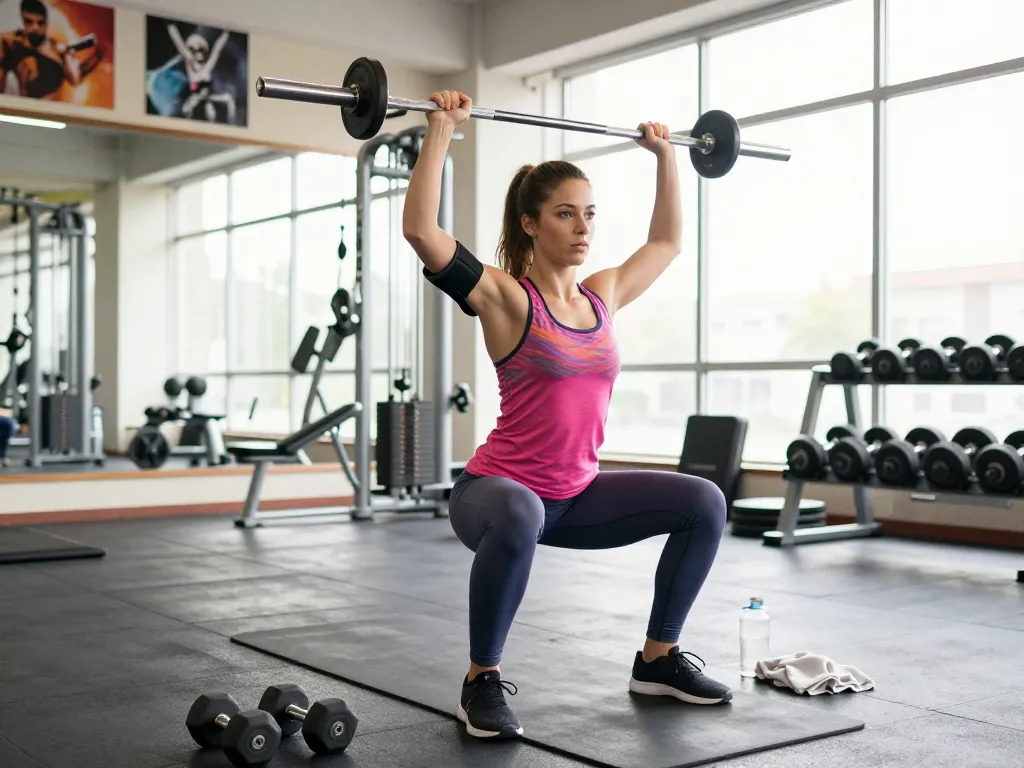
Understanding the Importance of a Shoulder Brace for Weightlifting
In the world of weightlifting, maintaining shoulder health is paramount to achieving optimal performance and preventing injuries. A significant number of athletes face shoulder injuries due to the physical demands of lifting heavy weights, and this is where a shoulder brace for weightlifting plays a critical role. Not only do these braces provide essential support, but they also contribute to enhancing overall lifting techniques and recovery.
The role of shoulder braces in injury prevention
Shoulder braces are designed to stabilize the shoulder joint, reducing excessive movement that can lead to injuries such as rotator cuff tears and shoulder dislocations. By limiting the range of motion, these braces can help prevent acute injuries during intense workouts and reduce the risk of chronic injuries over time. For athletes who may already be dealing with a shoulder strain or injury, a shoulder brace serves as an additional layer of protection, allowing them to continue their training with a lower risk of exacerbating their condition.
How shoulder braces enhance performance
Beyond injury prevention, shoulder braces can also enhance lifting performance. By providing compression and support, these braces help improve proprioception—an athlete’s sense of their body position and movement. This increased awareness can lead to better lifting forms, allowing for more efficient movement patterns during exercises. Additionally, many high-quality braces are designed to be breathable and comfortable, enabling athletes to focus on their lifts without distraction.
Common misconceptions about shoulder braces
Despite their benefits, there are several misconceptions surrounding the use of shoulder braces in weightlifting. One common myth is that using a brace indicates weakness or lack of commitment to training. In reality, many elite athletes use shoulder braces as preventive tools that allow them to train harder and smarter. Another misconception is that braces can substitute for proper warm-ups and strength training. While braces provide valuable support, they should be viewed as an adjunct to a well-rounded training regimen rather than a replacement for foundational strength-building practices.
Top Features to Look for in a Shoulder Brace
When selecting a shoulder brace for weightlifting, it’s essential to consider various features that contribute to its effectiveness and comfort. Here are some key features to look for:
Material and breathability for comfort during workouts
The material of the shoulder brace plays a significant role in both comfort and functionality. Look for braces made from breathable fabrics that wick away moisture to keep the skin dry during intense workouts. Neoprene and elastic materials are popular choices as they provide support while allowing for flexibility and movement.
Adjustability and fit for personalized support
An adjustable shoulder brace ensures a snug fit, which is crucial for providing the right amount of support without being overly restrictive. Look for braces with Velcro straps or adjustable buckles that allow you to customize the level of compression and support based on your individual needs.
Additional features like compression and stability
Many modern shoulder braces come equipped with additional features such as compression zones and stability panels that enhance support. Compression can reduce swelling and improve blood circulation, while stability panels help limit unnecessary movement of the shoulder joint during lifting.
Comparative Analysis of Popular Shoulder Braces
To make an informed decision about which shoulder brace to purchase, it is helpful to analyze the options available in the market. Here’s a brief overview of some popular brands and their offerings:
Review of leading brands and their offerings
- Fivali Shoulder Brace: Focused on breathability and adjustability, this brace is ideal for both weightlifting and daily activities, providing excellent support.
- Shock Doctor Ultra Shoulder Support: Known for its stability control features, this brace is designed for athletes looking for robust support during intense lifting sessions.
- Bauerfeind OmoTrain: This brace is known for its targeted compression and support, popular among serious lifters keen on recovery.
User feedback and performance metrics comparison
When it comes to user feedback, most athletes highlight the importance of fit and comfort in their reviews. Many users of the Fivali shoulder brace report a significant reduction in pain and improved stability while lifting, making it an excellent choice for both prevention and recovery. Performance metrics often indicate that those who use shoulder braces experience fewer interruptions in training due to injury, showcasing the practical benefits of incorporating support gear into their routines.
Case studies on effectiveness in weightlifting
Several case studies have documented the effectiveness of shoulder braces in weightlifting settings. For instance, a study published in the Journal of Sports Medicine found that lifters who used shoulder braces reported 30% less discomfort in their shoulders during heavy lifts compared to those who trained without support. These findings reinforce the importance of protective gear in maintaining shoulder health and performance.
Integrating Shoulder Braces into Your Workout Routine
To maximize the benefits of a shoulder brace, it’s essential to integrate it correctly into your workout routine. Here are some best practices to consider:
Best practices for wearing a shoulder brace safely
Ensure that the shoulder brace is fitted correctly before starting your workout. This includes adjusting straps to a comfortable yet secure position that allows for movement without slipping. It’s also advisable to practice lifting with the brace in lighter sessions before attempting more intense workouts.
Adjusting workout intensity with a shoulder brace
When lifting with a shoulder brace, it’s critical to listen to your body. Begin with lower weights while adjusting to the new level of support. This approach helps you gauge how the brace interacts with your lifting mechanics and allows for a safer, more effective training experience.
Combining shoulder braces with other recovery techniques
Using a shoulder brace can be one part of a comprehensive approach to shoulder health. Incorporate other recovery techniques such as stretching, physical therapy, and icing to ensure that your shoulders remain healthy and resilient. Regular strength training focused on shoulder stability will also complement the benefits provided by the brace.
Future Trends in Shoulder Support Technologies
The field of sports medicine is continually evolving, with exciting advancements on the horizon for shoulder support technologies. Here are some trends to watch for:
Innovative materials and designs on the horizon
Future shoulder braces may integrate smart fabrics that monitor muscle activity and joint angles, providing real-time feedback to athletes. This technology could help lifters adjust their technique during workouts, reducing the risk of injury.
Advancements in wearable technology for athletes
Wearable technology is expected to play a significant role in the future of injury prevention. Devices that track biomechanics and send alerts when improper lifting techniques are detected could enhance safety and performance.
Predictions for injury management in weightlifting
As the understanding of sports injuries becomes more advanced, the integration of data analytics and personalized training programs will likely lead to more effective injury management strategies, including the use of shoulder braces. Personalized support solutions will cater to individual needs based on biomechanical assessments.
Will you lift with a shoulder brace?
Weightlifting with a shoulder brace can be both beneficial and necessary for many athletes. Ultimately, the choice should be guided by individual requirements, injury history, and training goals.
How to choose the right shoulder brace for specific injuries?
Selecting the appropriate shoulder brace involves understanding the nature of your injury. Consult with a healthcare professional for personalized recommendations based on your specific condition to ensure optimal support.
Can shoulder braces improve overall lifting techniques?
Yes, by offering stability and enhancing proprioception, shoulder braces can improve lifting techniques. Athletes often notice better form and reduced reliance on compensatory movements when wearing a brace.
What features should beginners focus on in a shoulder brace?
For beginners, the primary focus should be on comfort, adjustability, and adequate support. A breathable material and a design that allows for natural movement are crucial to ensure that the brace enhances rather than hinders performance.
How does a shoulder brace affect workout recovery?
A shoulder brace can aid in recovery by providing support during workouts and reducing strain on the joint. This can lead to a quicker recovery time and allow athletes to return to their training routines with confidence.