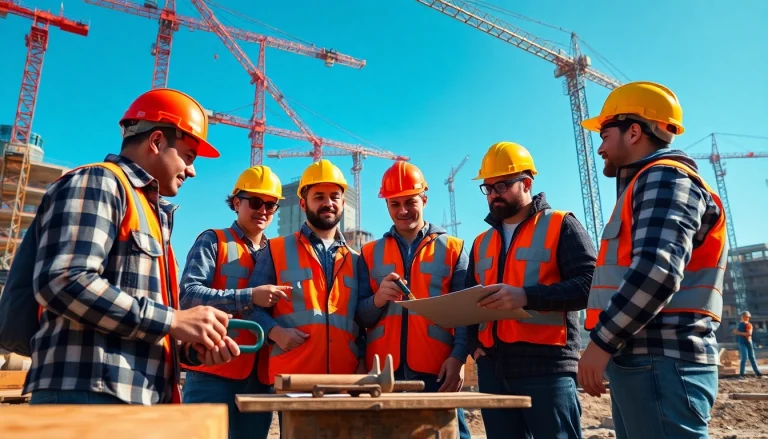

Understanding the Importance of Construction Training Programs
In an industry as dynamic and multifaceted as construction, ensuring that workers possess the necessary skills and knowledge is paramount. Construction training programs are critical not only for individual career growth but also for raising the overall standard of the workforce. As construction projects become more complex and safety regulations intensify, these training programs serve as foundational pillars that support both new entrants and seasoned professionals as they seek continuous improvement and mastery of their craft.
Benefits of Participating in Construction Training Programs
Engaging in construction training programs presents numerous advantages. Firstly, these programs provide knowledge that directly translates to improved job performance, which can boost productivity on-site. Skillsets that were once basic are evolving, demanding a workforce that is well-versed in cutting-edge technologies and methodologies.
Additionally, participation in these training programs can enhance job security. In an increasingly competitive job market, employers are on the lookout for highly trained professionals. Employees who invest in their skills position themselves favorably in hiring processes and can negotiate better salaries. Moreover, such programs can foster a culture of safety, helping to reduce workplace accidents and improve employee morale.
Industry Standards and Safety Compliance
Adhering to industry standards and safety compliance is non-negotiable in construction. The construction sector is heavily regulated, and organizations are required to ensure that their workers are compliant with local, state, and federal regulations. In this context, construction training programs play an essential role in educating workers about safety protocols, hazard recognition, and emergency response procedures. This education not only protects the workers but also safeguards the company against potential lawsuits and penalties associated with non-compliance.
Skill Development for Career Advancement
The landscape of employment is shifting, with more employers seeking individuals with specialized skills. Construction training programs are particularly effective in providing such skills, whether it’s project management, advanced machinery operation, or sustainable building practices. By investing time in these training initiatives, workers can gain certifications that demonstrate their expertise, thus aiding in their career advancement. Furthermore, continued education in the form of workshops and seminars allows professionals to stay ahead of emerging trends and technological advancements.
Types of Construction Training Programs Available
Traditional vs. Online Training Approaches
The rise of online training platforms has transformed how education is delivered in the construction field. Although traditional, in-person training programs remain valid for hands-on skill demonstrations, online training provides flexibility that accommodates busy schedules. Professionals can learn at their own pace, access a wealth of resources, and engage in interactive modules. However, the effectiveness of online programs often hinges on how well they integrate practical experiences with theoretical knowledge. A blend of both methods—hybrid models—offers the most comprehensive training experience, catering to diverse learning preferences.
Certification Programs and Their Importance
Certification programs are essential within construction training programs as they validate a worker’s capabilities. Achieving certification demonstrates a recognized level of expertise to both employers and clients, often enhancing job prospects. Various certifications, such as OSHA safety certifications, LEED accreditation for sustainable building, and specialized licenses for heavy machinery operation, set practitioners apart in the job market. Organizations that facilitate these certifications not only invest in their employees but also reinforce their commitment to excellence and safety.
Specialized Training for Different Trades
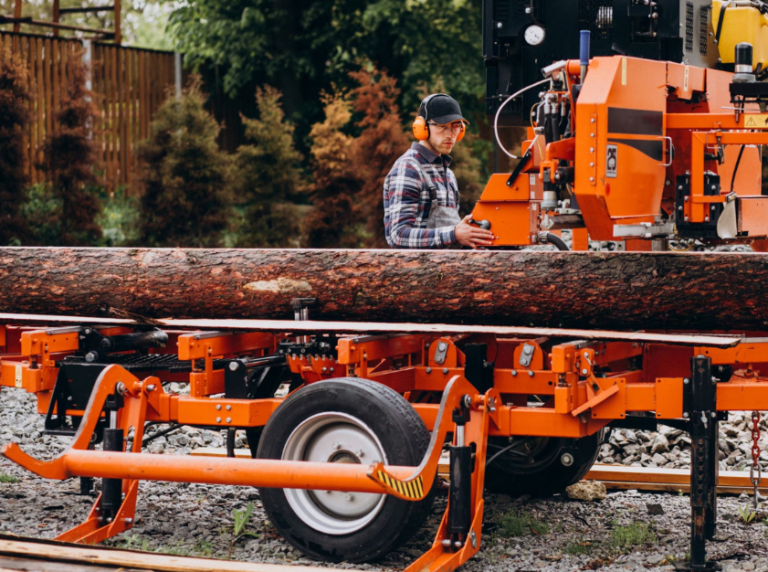
Construction encompasses numerous trades ranging from carpentry and plumbing to electrical work and masonry. Because each trade has unique requirements and skill sets, it’s crucial that training programs are specialized. Such programs can focus on specific tools, materials, and methodologies pertinent to each discipline. This targeted training approach ensures that workers are not only competent but also able to adapt to emerging technologies and methods specific to their trades. Moreover, industry specialists usually facilitate these training sessions, enriching the learning experience by sharing real-life scenarios and best practices.
Implementing Effective Construction Training Programs
Planning and Curriculum Development
The groundwork for an effective training program begins with meticulous planning and curriculum development. Stakeholders, including industry experts and HR professionals, should collaborate to define clear objectives aligned with industry needs and organizational goals. Surveys and target analyses may help in identifying skills gaps and training needs. Crafting a curriculum that encompasses safety, technical skills, and soft skills such as teamwork and communication will produce more holistic and capable workers. Additionally, ongoing assessments post-training are pivotal for continuous improvement of the program.
Utilizing Technology in Training Delivery
Integrating technology into training programs can significantly enhance learning outcomes. Simulation tools can provide hands-on experience in a safe environment, allowing trainees to engage with realistic job scenarios without the associated risks. Moreover, Learning Management Systems (LMS) can facilitate the tracking of individual progress, providing valuable insights into participants’ performances and areas needing improvement. Incorporating audio-visual materials can also cater to different learning styles, making the training more engaging and effective.
Assessing Learner Competencies and Progress
Regular assessments are crucial in construction training programs. By establishing a framework to evaluate learner competencies, organizations can better gauge the effectiveness of their training initiatives. Formative assessments throughout the training journey allow instructors to adjust their teaching methods and ensure that participants grasp the critical concepts being presented. Skills demonstrations, quizzes, and hands-on evaluations contribute to a comprehensive understanding of each trainee’s abilities, ensuring they are workplace-ready upon completion.
Common Challenges in Construction Training Programs
Addressing Skill Gaps in the Workforce
Skill gaps represent one of the most pressing challenges in the construction industry. These gaps can arise from technological advancements outpacing traditional training methods or from a workforce that is not adequately prepared for the demands of modern construction projects. To address these gaps, training programs must be updated regularly to align with current industry practices. Surveys and partnerships with trade organizations can provide insights into the most pressing skills needed, leading to targeted training sessions that fill these voids efficiently.
Diverse Learning Styles and Adaptation
Participants in construction training programs often exhibit diverse learning styles, making it imperative to create adaptable training environments. Some individuals thrive in hands-on settings, while others may excel in theoretical, classroom-based learning. Employing a variety of instructional methods—from demonstrations and group exercises to multimedia presentations—can cater to these differing preferences. By fostering an inclusive learning atmosphere, organizations can maximize engagement, retention, and application of knowledge.
Managing Resources and Time Effectively
Implementing training programs can stretch organizational resources, particularly in terms of time and finances. Strategic planning is essential to optimize resource allocation. Organizations may need to prioritize training needs based on the immediate requirements of their projects and workforce. Furthermore, leveraging partnerships with educational institutions or industry experts can provide access to best practices and shared resources, potentially lowering costs and enhancing training delivery.
Future Trends in Construction Training Programs
Embracing Virtual Reality and Simulation
As technology continues to advance, the emergence of virtual reality (VR) in training programs is gaining traction. VR offers immersive experiences that replicate real-world scenarios, enabling trainees to practice skills without the risks associated with on-site training. This approach is particularly advantageous for high-stakes environments where safety is paramount, as it allows users to learn through trial and error in a controlled space. Incorporating VR into construction training may boost engagement and productivity while significantly enhancing knowledge retention.
Focus on Sustainability and Green Construction
With an increasing emphasis on sustainability in construction, training programs must adapt to include green building concepts and technologies. This focus extends beyond traditional construction practices to include innovative approaches such as energy efficiency, sustainable materials, and waste reduction techniques. Educating workers on sustainability principles not only positions them favorably within the industry but also contributes to broader environmental goals, enhancing the organization’s reputation as a leader in sustainable practices.
The Rise of Modular and Off-Site Training Models
Modular and off-site training models are becoming increasingly popular, allowing for training to take place in various environments that simulate real-world job settings. These models can reduce training costs by minimizing downtime and travel expenses while providing a more impactful learning experience. By utilizing mobile training units or partnerships with local training centers, organizations can deploy training more efficiently and adapt their approach based on the evolving landscape of the construction industry.
Frequently Asked Questions
What are construction training programs?
Construction training programs are structured educational initiatives that equip workers with the skills, knowledge, and certifications needed for various roles in the construction industry.
Who should participate in construction training programs?
Professional construction workers, new entrants to the industry, and anyone seeking to improve their skills or advance their careers should participate in these programs.
How long do construction training programs take?
The duration of construction training programs can vary substantially, ranging from a few days for workshop sessions to several months for comprehensive certifications.
Are online construction training programs effective?
Yes, online construction training programs can be highly effective, especially when they incorporate interactive modules, resources, and real-life applications alongside flexible learning options.
What certifications can I earn from construction training programs?
Participants can earn various certifications, including OSHA safety certifications, LEED for green building, and specialized trade licenses that validate their skills in specific areas.
About the Author