Understanding Facial Analysis Services
Facial analysis services have surged in popularity as they blend technology with beauty enhancement, providing users with insights into their facial aesthetics. Among these services, QOVES stands out, offering membership-based personalized facial assessments. However, as the beauty tech market continues to evolve, many users are exploring Alternatives to QOVES that may provide different features, pricing, and user experiences. This article delves deep into facial analysis technologies, comparing notable services, and equipping readers with essential knowledge to make informed choices.
What is QOVES and Its Features?
QOVES is an innovative facial analysis service that publicly lists a membership fee of $150 per year. This service offers users a detailed protocol crafted from a thorough analysis of their facial structure. Users receive visual representations and detailed feedback within a 28-day timeframe. QOVES prides itself on the fact that trained professionals review every analysis, ensuring that users receive accurate and personalized feedback tailored to enhance their appearance.
Overview of Facial Analysis Technologies
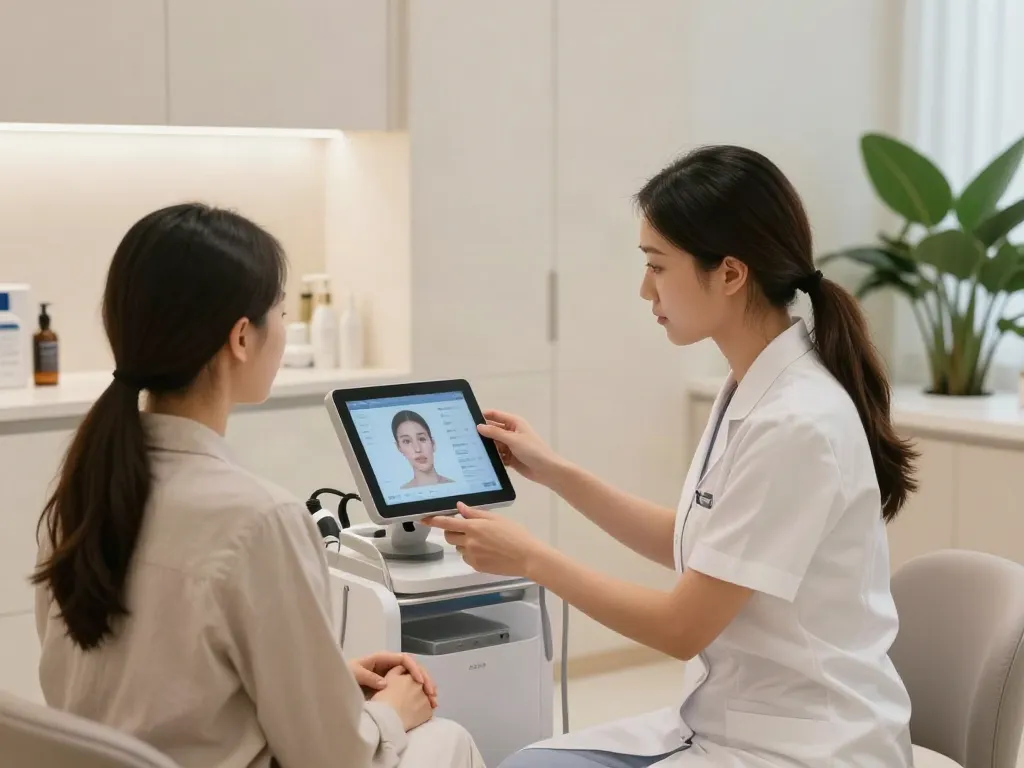
Facial analysis technologies utilize advanced algorithms and artificial intelligence to evaluate key aesthetic measures such as symmetry, proportion, and overall facial attractiveness. These technologies have emerged from a combination of dermatological science, aesthetic principles, and modern engineering, allowing for a more scientific approach to beauty. The rise of AI has been instrumental, enabling the creation of applications that can analyze selfies, provide beauty scores, and suggest improvements in grooming, skincare, and hairstyle.
How AI is Revolutionizing Beauty Assessments
The integration of AI in beauty assessments represents a significant shift in how we approach personal grooming and aesthetics. AI algorithms can quickly process vast amounts of data, analyzing facial features against established beauty standards. This technology enables users to receive instant assessments and tailored recommendations, significantly influencing their self-esteem and approach to beauty. As AI becomes more sophisticated, we can expect even more personalized and accurate analyses that cater to individual beauty needs.
Five Services to Consider Instead of QOVES
When considering alternatives to QOVES, several services offer unique features and pricing structures that may better suit individual needs. Below, we explore five notable alternatives that have gained popularity among beauty enthusiasts.
ClinicEvo: Personalized AI and Human Reviews
ClinicEvo stands out with its hybrid model, combining AI facial analysis with human expertise. For just $12 a month, users receive a comprehensive report reviewed by trained aesthetics specialists within five business days. This service provides a personalized EvoPlan™ that outlines specific recommendations tailored to the individual's facial characteristics, making it a compelling alternative for those seeking a thorough analysis.
Umax: Instant Beauty Scores with AI
Umax is an innovative app that provides users with immediate beauty scores generated by AI. This service allows individuals to upload their selfies and receive scores based on various aesthetic criteria, including symmetry and proportion. Umax is particularly attractive for users who prefer quick assessments and are not necessarily looking for a detailed improvement plan.
LooksMax AI: Ratings and Recommendations for Improvement
LooksMax AI offers a similar approach to Umax, providing users with instant ratings along with recommendations for grooming and skincare improvements. This app is ideal for those wanting quick feedback without the commitment of a subscription. The user-friendly interface encourages engagement and helps users feel empowered to make informed decisions about their beauty routines.
PrettyScale: A Free Beauty Scoring Tool
PrettyScale distinguishes itself as a free resource that calculates a beauty score using a series of automated algorithms. While it does not provide personalized recommendations, it allows users to understand their attractiveness based on mathematical principles like the golden ratio. Despite its simplicity, PrettyScale can be a great starting point for individuals curious about their facial aesthetics.
FaceRate.ai: Automated Facial Evaluations
FaceRate.ai operates similarly to PrettyScale, offering an automated score based on facial symmetry and beauty benchmarks. Users can try this service without financial commitment as it offers a free trial. Although it lacks human review, it remains an accessible option for those looking to get a general sense of their attractiveness.
Key Features to Compare Across Services
As users explore various facial analysis services, several key features should be considered to make informed decisions. Understanding these elements can help individuals select the best service tailored to their needs.
Human Review vs. Automated Scoring
One of the most significant differentiators among these services is whether the analysis is performed by trained professionals or generated through automated systems. Services like ClinicEvo and QOVES emphasize human review, which can enhance the credibility of the recommendations. In contrast, apps like Umax and PrettyScale rely solely on AI, raising questions about the depth and personalization of their assessments.
Understanding Membership Costs and Plans
Pricing is another critical factor to weigh when choosing between different services. While QOVES is priced at $150 annually, ClinicEvo offers a monthly subscription that totals less over the year. Users should consider not only the headline price but also what is included in the membership, such as the depth of analysis, the speed of report delivery, and the quality of customer support.
Tracking Progress: Yearly vs. One-Time Analysis
Another vital consideration is whether the service supports ongoing progress tracking. Some services offer year-long memberships with continuous updates, while others may provide a one-time analysis. For individuals dedicated to improving their aesthetics over time, finding a service that enables regular check-ins can be invaluable in maintaining motivation and tracking results.
Common Questions About Facial Analysis Alternatives
As the market for facial analysis services expands, many questions arise regarding their effectiveness, affordability, and usability. Below, we address some of the most common inquiries users have when exploring alternatives to QOVES.
Is there a Free Version of QOVES Alternatives?
Several alternatives to QOVES offer free versions or trial periods that allow users to test the service before committing financially. Apps like PrettyScale and FaceRate.ai provide free beauty scoring, making them accessible options for those who may not want to invest in paid services initially.
How Accurate are Beauty Scoring Apps?
The accuracy of beauty scoring apps can vary significantly based on their underlying algorithms and the quality of the input data. While AI can rapidly assess facial features against established metrics, the absence of human review may lead to less nuanced insights. Users should approach scores as a starting point rather than definitive assessments, particularly if they desire personalized recommendations.
What Costs Should You Expect Over Time?
When evaluating facial analysis services, it's essential to consider long-term costs. Annual membership fees, monthly subscriptions, and potential hidden fees can all impact the overall investment in these services. Comparing the total annual costs and assessing the value of what each service offers can help users make more informed decisions.
Future Trends in Facial Analysis Technologies
The facial analysis sector continues to evolve at a rapid pace, fueled by advancements in technology and shifting societal attitudes toward beauty. As we look ahead to the future of this industry, several trends are emerging that could redefine how beauty assessments are performed.
Emerging Innovations in AI Beauty Assessments
With AI technology improving daily, we can expect to see even more sophisticated facial analysis tools that incorporate deep learning and neural networks. These innovations could lead to more accurate evaluations and provide users with insights that are tailored not just to beauty metrics but also to personalized skincare and enhancement strategies.
Predictions for the Beauty Tech Market by 2026
As the beauty tech market grows, analysts predict that the demand for personalized beauty services will continue to rise. By 2026, we may see an influx of services that not only focus on aesthetics but also integrate wellness and mental health aspects into their offerings, creating a holistic approach to beauty and self-care.
Integrating Wellness and Aesthetics
The intersection of wellness and aesthetics is becoming increasingly pronounced, with services focusing on overall health as part of beauty improvement. Expect future facial analysis services to include assessments related to skin health, stress levels, and lifestyle factors that contribute to one's overall appearance and well-being.