Understanding the Importance of Railroad Maintenance
Defining Railroad Maintenance
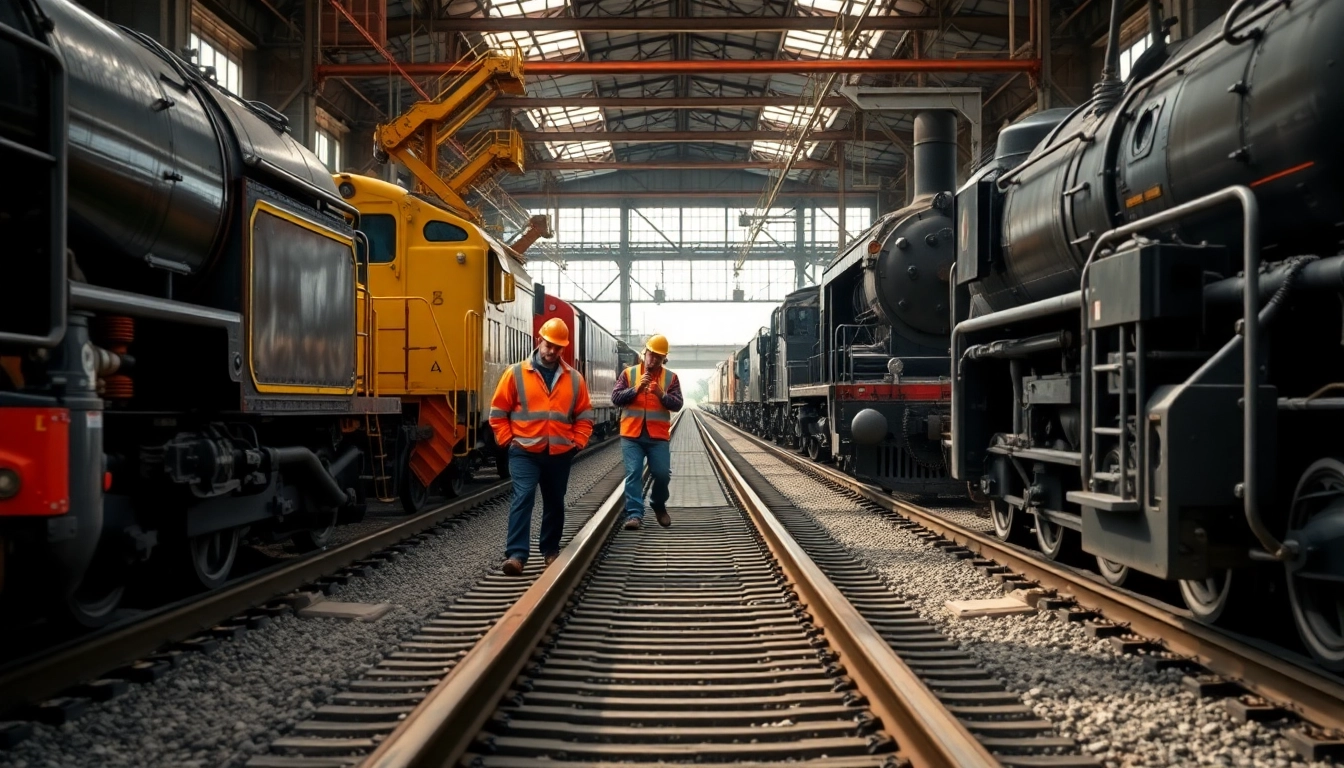
Railroad Maintenance encompasses a series of systematic procedures designed to ensure that rail infrastructure and vehicles operate safely and efficiently. This includes routine checks and repairs of the tracks, signaling systems, and rolling stock (trains, locomotives), as well as the upkeep of associated facilities. Prioritizing Railroad Maintenance is crucial because it helps prevent accidents, reduces operational costs, and extends the lifespan of assets.
Benefits of Regular Maintenance
Regular maintenance offers several advantages:
- Increased Safety: Ensures that all railroad components meet safety standards, significantly reducing the risk of accidents.
- Operational Efficiency: Well-maintained rail systems experience fewer breakdowns, leading to uninterrupted service and reliable schedule adherence.
- Cost Savings: Investing in regular maintenance can prevent costly repairs and unplanned downtime, saving money in the long run.
- Asset Longevity: Routine care extends the life of equipment and infrastructure, maximizing the return on investment.
Common Challenges Faced
Despite its importance, maintaining a railroad system is not without challenges, such as:
- Budget Constraints: Limited financial resources can hinder comprehensive maintenance programs.
- Technological Adaptation: Keeping up with the latest maintenance technologies can be both costly and complex.
- Human Factors: Ensuring that personnel are well-trained and motivated remains a critical factor in successful maintenance operations.
- Weather and Environmental Effects: Natural conditions can significantly impact the integrity of railroad systems, necessitating frequent assessments and repairs.
Essential Components of Railroad Maintenance
Track Inspection Techniques
Efficient track inspection techniques include:
- Visual Inspections: Routine checks performed by walking the tracks to identify visible defects.
- Ultrasonic Testing: A non-invasive method used to detect internal flaws in rails.
- Track Geometry Measurement: Advanced technology assists in ensuring tracks are laid correctly, reducing derailments and wear.
- Ground Penetrating Radar: Utilized to evaluate sub-surface conditions that could impact track stability.
Equipment and Tools Needed
Various tools are essential for executing effective maintenance:
- Rail Trolley: To facilitate track inspections and tests.
- Track Gauge: A measuring device ensuring tracks are spaced appropriately.
- Rail Benders and Aligners: Used for tampering and correcting track alignment.
- Diagnostic Software: Programs that monitor track conditions and maintenance history.
Scheduling and Frequency of Maintenance
Establishing an effective maintenance schedule is crucial. Factors to consider include:
- Type of Rail Service: Passenger and freight services have differing maintenance needs.
- Environmental Conditions: Some regions may require more frequent checks due to weather hazards.
- Historical Data: Past maintenance records can inform future scheduling and help anticipate needs.
- Regulations: Compliance with local and federal regulations dictates frequency requirements.
Innovative Practices in Railroad Maintenance
Use of Technology in Tracking Conditions
Technology plays a pivotal role in modern railroad maintenance. Innovations include:
- IoT Sensors: These devices monitor conditions like temperature and vibrations in real-time, enabling proactive measures.
- Drones: Increasingly used for aerial track inspections, providing access to hard-to-reach areas efficiently.
- Artificial Intelligence: Aids in predictive maintenance by analyzing large datasets to forecast potential failures.
- Mobile Applications: Allow onsite personnel to report issues and access maintenance history instantly.
Integrating Eco-Friendly Solutions
The trend of eco-friendly practices in maintenance is growing. Examples include:
- Biodegradable Lubricants: Using eco-friendly oils and greases reduces harm to the environment.
- Recycling Materials: Salvaging tracks and components minimizes waste and cuts down on costs.
- Renewable Energy Sources: Utilizing solar or wind energy in maintenance operations reduces reliance on fossil fuels.
Smart Monitoring Systems
Smart monitoring systems are transforming how maintenance tasks are managed. Key features include:
- Real-Time Alerts: Provide immediate notifications about abnormalities, allowing for prompt action.
- Data Analytics: Analyze usage patterns to identify potential issues before they escalate.
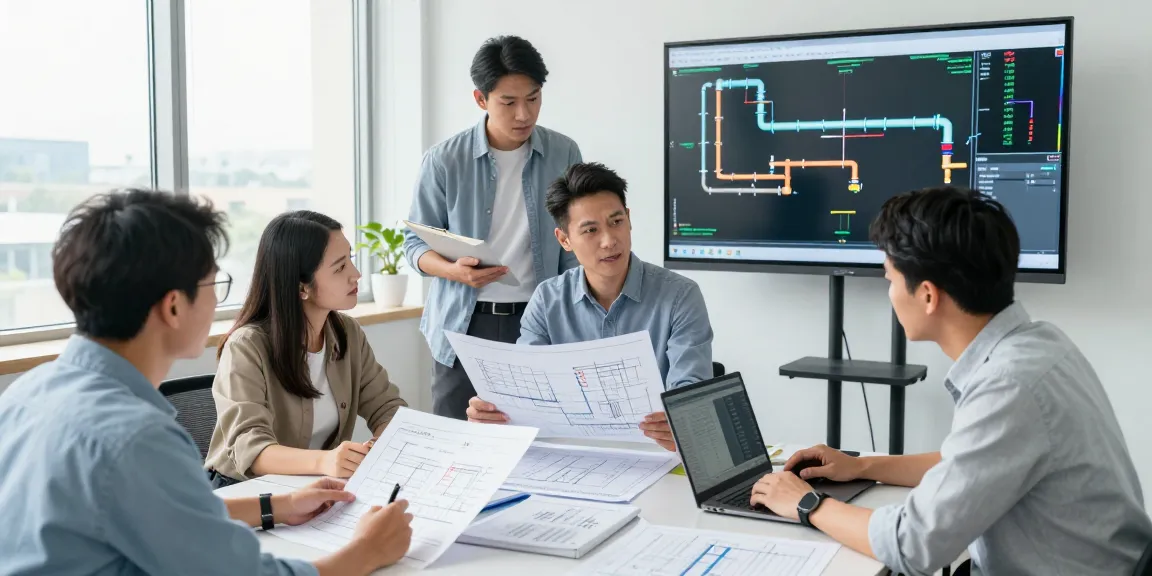
- Dashboard Interfaces: Offer a consolidated view of maintenance needs and schedules, enhancing workflow efficiency.
Best Practices for Efficient Railroad Maintenance
Establishing a Maintenance Plan
A well-structured maintenance plan should encompass:
- Clear Objectives: Define goals to improve the efficiency and safety of the rail system.
- Budget Allocation: Ensure sufficient funding for all maintenance activities.
- Resource Management: Optimize the use of tools, equipment, and personnel effectively.
Training Personnel Effectively
The effectiveness of a maintenance program often hinges on the competency of its personnel. Steps include:
- Hands-On Training: Regularly scheduled practical sessions to engage staff with both tools and technology.
- Certification Programs: Encourage certifications that promote adherence to safety protocols and best practices.
- Continuous Education: Foster a culture of learning through workshops, seminars, and online courses.
Utilizing Data for Decision Making
Leveraging data for maintenance decisions involves:
- Data Collection: Utilize sensors and monitoring equipment to gather precise information.
- Trend Analysis: Study performance trends to identify areas needing attention.
- Impact Assessment: Evaluate the effectiveness of maintenance interventions through post-implementation reviews.
Assessing the Performance of Railroad Maintenance
Key Performance Indicators
To evaluate the effectiveness of maintenance, consider the following indicators:
- Downtime: Measure the duration of service interruptions due to maintenance issues.
- Cost per Mile: Compare maintenance costs against operational mileage to maintain budget efficiency.
- Inspection Compliance: Track the adherence to scheduled inspections and maintenance tasks.
- Customer Satisfaction Ratings: Evaluate passenger and freight satisfaction as an indirect measure of maintenance success.
Regular Review and Adjustment Strategies
Regular reviews are integral to evolving maintenance programs. Strategies involve:
- Quarterly Audits: Conduct thorough audits every three months to assess ongoing effectiveness.
- Feedback Mechanisms: Implement staff and stakeholder feedback to enhance the maintenance process.
- Performance Reviews: Use data gathered to adjust plans, processes, and budgets accordingly.
Case Studies of Successful Maintenance Operations
Learning from practical examples illustrates the impact of effective maintenance:
- Case Study A: A regional rail operator implemented predictive analytics, resulting in a 30% reduction in emergencies.
- Case Study B: A rail company adopted eco-friendly repairs, which improved environmental compliance and costs.
- Case Study C: Remote monitoring systems deployed led to a 20% drop in unplanned outages due to proactive maintenance efforts.
FAQs About Railroad Maintenance
What is Railroad Maintenance?
Railroad Maintenance involves the upkeep of rail infrastructure and vehicles, ensuring safe and efficient operations through regular inspections and repairs.
Why is Maintenance Important?
Regular maintenance is crucial for safety, operational efficiency, cost savings, and extending the lifespan of railway assets.
What Tools are Essential for Railroad Maintenance?
Essential tools include rail trolleys, track gauges, rail benders, and diagnostic software for effective maintenance operations.
How Often Should Tracks be Inspected?
Track inspections should be conducted regularly, considering factors like rail service type and environmental conditions to ensure safety.
What is the Role of Technology in Maintenance?
Technology aids in tracking conditions, predicting maintenance needs, and improving efficiency through innovative solutions like IoT and AI.