Understanding General Building Maintenance
What is General Building Maintenance?
General building maintenance encompasses a wide range of activities aimed at keeping buildings, both residential and commercial, in optimal condition. This includes routine inspections, repairs, cleaning, and preventative measures. The goal is to ensure the functionality and safety of the building while minimizing all potential disruptions to daily operations. Effective general building maintenance practices help preserve property values, enhance occupant satisfaction, and ensure compliance with local regulations and standards.
Importance of General Building Maintenance
The significance of general building maintenance cannot be overstated. Regular maintenance helps to extend the lifespan of building systems such as HVAC, plumbing, and electrical systems. It also plays a crucial role in safeguarding the health and safety of occupants, as neglected maintenance can lead to hazardous conditions such as mold growth, fire risks, or structural failures. Furthermore, well-maintained buildings contribute to energy efficiency, reflect positively on brand reputation, and can yield significant cost savings by averting unexpected repairs.
Key Components of Effective Maintenance
To establish an effective maintenance strategy, several key components must be considered:
- Preventative Maintenance: Regularly scheduled maintenance tasks designed to prevent equipment failures.
- Predictive Maintenance: Utilizing data analysis tools to predict when maintenance should be performed.
- Responsive Maintenance: Immediate repairs undertaken in response to reported issues or emergencies.
- Documentation and Reports: Maintaining thorough records of all maintenance activities for reference and accountability.
Essential Practices for General Building Maintenance
Regular Inspections and Assessments
Instituting regular inspections is vital for identifying potential issues before they escalate into serious problems. These assessments should be comprehensive, covering all aspects of the building from the roof to the foundation. During inspections, it's crucial to examine major systems such as electrical, plumbing, heating, ventilation, and air conditioning (HVAC). Establishing a routine inspection schedule based on the building's age, condition, and usage patterns can effectively mitigate risks and ensure timely maintenance interventions.
Scheduled Maintenance vs. Reactive Maintenance
Understanding the difference between scheduled maintenance and reactive maintenance is key to optimizing maintenance strategies. Scheduled maintenance involves pre-planned tasks performed at regular intervals, aiming to prevent failures and excessive wear. Conversely, reactive maintenance occurs as a response to urgent repair requests or equipment breakdowns. While reactive maintenance can sometimes be necessary, training staff to prioritize scheduled maintenance can save both time and money in the long run.
Utilizing Technology in Maintenance Practices
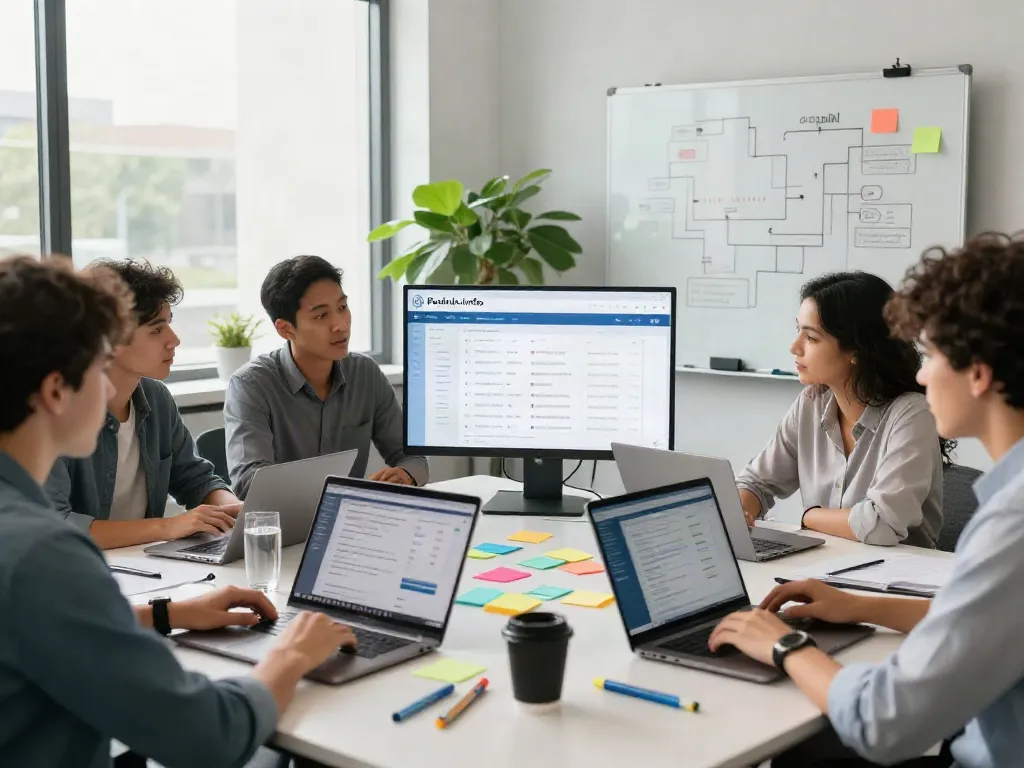
Technology has transformed the landscape of general building maintenance. Utilizing tools such as Computerized Maintenance Management Systems (CMMS) enhances efficiency in scheduling, tracking, and managing maintenance tasks. Additionally, mobile apps enable maintenance staff to access important information in real-time while on the job, improving communication and reducing response times. Integrating IoT devices can provide critical data on equipment performance and environmental conditions, allowing for better-informed maintenance decisions.
Common Challenges in General Building Maintenance
Managing Large Facilities
Maintaining large facilities poses unique challenges such as coordinating multiple maintenance teams, ensuring timely communication, and dealing with extensive resource management. Implementing a centralized maintenance management system can help streamline operations, allowing for better tracking of tasks and resources. Furthermore, designated maintenance supervisors can effectively manage teams by supervising critical areas and establishing clear lines of communication to mitigate confusion.
Budget Constraints and Funding Issues
One of the most significant challenges in building maintenance is working within budget constraints. Prioritizing maintenance tasks is essential to address the most critical issues while ensuring essential tasks are not overlooked. Conducting a thorough cost-benefit analysis before undertaking projects can aid in strategic financial planning. Moreover, investing in preventative maintenance can ultimately be more cost-effective than reactive maintenance, leading to savings in the long run.
Staff Training and Efficiency
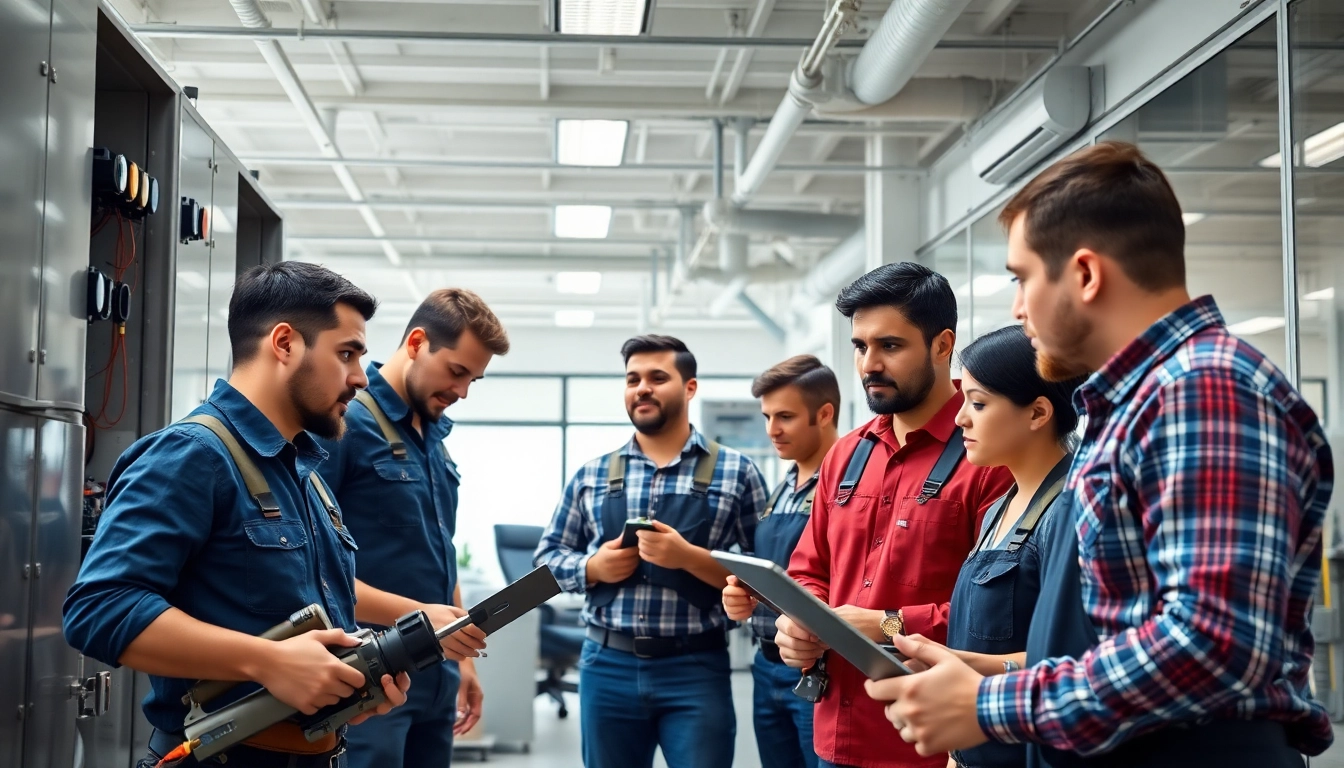
Proper training for maintenance staff is crucial to the overall success of maintenance operations. Regular training sessions and workshops can enhance staff understanding of modern tools, safety protocols, and the latest maintenance techniques. Encouraging a culture of continuous learning not only boosts employee morale but also improves overall efficiency and effectiveness in maintenance practices, ensuring tasks are completed correctly the first time.
Best Tools and Technologies for General Building Maintenance
Maintenance Management Software Options
There are numerous maintenance management software options available, catering to various needs and budget levels. Popular platforms often include features such as work order generation, asset tracking, and real-time reporting. Selecting software that fits the specific requirements of the building can significantly improve the management of maintenance activities, providing metrics that help inform future decisions.
Innovative Tools for Maintenance Teams
Empowering maintenance teams with innovative tools can drastically change their efficiency and effectiveness. Tools such as drones for roof inspections, thermal imaging cameras for identifying insulation issues, and advanced diagnostic tools for HVAC systems can enhance the overall quality of inspections. Embracing innovative technology encourages proactive maintenance strategies and reduces safety risks.
Green Technologies and Solutions
In an age of increasing environmental awareness, integrating green technologies into building maintenance practices can yield substantial benefits. Options such as energy-efficient lighting, solar panels, and sustainable materials not only improve sustainability but can also result in cost savings over time. Maintenance teams should be trained in eco-friendly practices, ensuring they are equipped to manage and maintain these technologies effectively.
Measuring Success in General Building Maintenance
Key Performance Indicators (KPIs) for Maintenance
Measuring the success of maintenance activities is essential for continuous improvement. Key performance indicators (KPIs) such as average response time, completion rate of scheduled work orders, and equipment downtime can yield invaluable insights. Regularly reviewing these metrics enables building managers to assess the effectiveness of their maintenance strategies and make informed adjustments where necessary.
Feedback Mechanisms for Continuous Improvement
Implementing feedback mechanisms is crucial for fostering a culture of continuous improvement within maintenance teams. Regular feedback from occupants about safety, comfort, and responsiveness can provide actionable insights into ways to enhance maintenance practices. Combining occupant feedback with performance metrics can help create effective strategies for addressing issues, thereby increasing tenant satisfaction and operational efficiency.
Case Studies: Successful Maintenance Programs
Examining successful maintenance programs can provide valuable lessons applicable to other organizations. For instance, a community center that implemented a systematic preventative maintenance program found that equipment failure dropped by 30% over the course of a year, saving significant repair costs. Such case studies demonstrate the impact of proactive maintenance planning and serve as inspiration for developing enhanced maintenance strategies.
Frequently Asked Questions
What is general building maintenance?
General building maintenance includes regular inspections, cleaning, repairs, and preventative measures to ensure safety and functionality within buildings.
How often should maintenance be performed?
The frequency of maintenance depends on the building's type and usage; however, regular scheduled maintenance can help prevent costly repairs.
What are the benefits of preventative maintenance?
Preventative maintenance extends the lifespan of equipment, minimizes unforeseen repairs, and enhances overall building safety and tenant satisfaction.
How can technology improve maintenance practices?
Technology, such as CMMS, can streamline scheduling and tracking, enable real-time information access, and enhance predictive maintenance capabilities.
What are common maintenance challenges?
Common challenges include budget constraints, managing vast facilities, and ensuring staff training and efficiency in maintenance tasks.