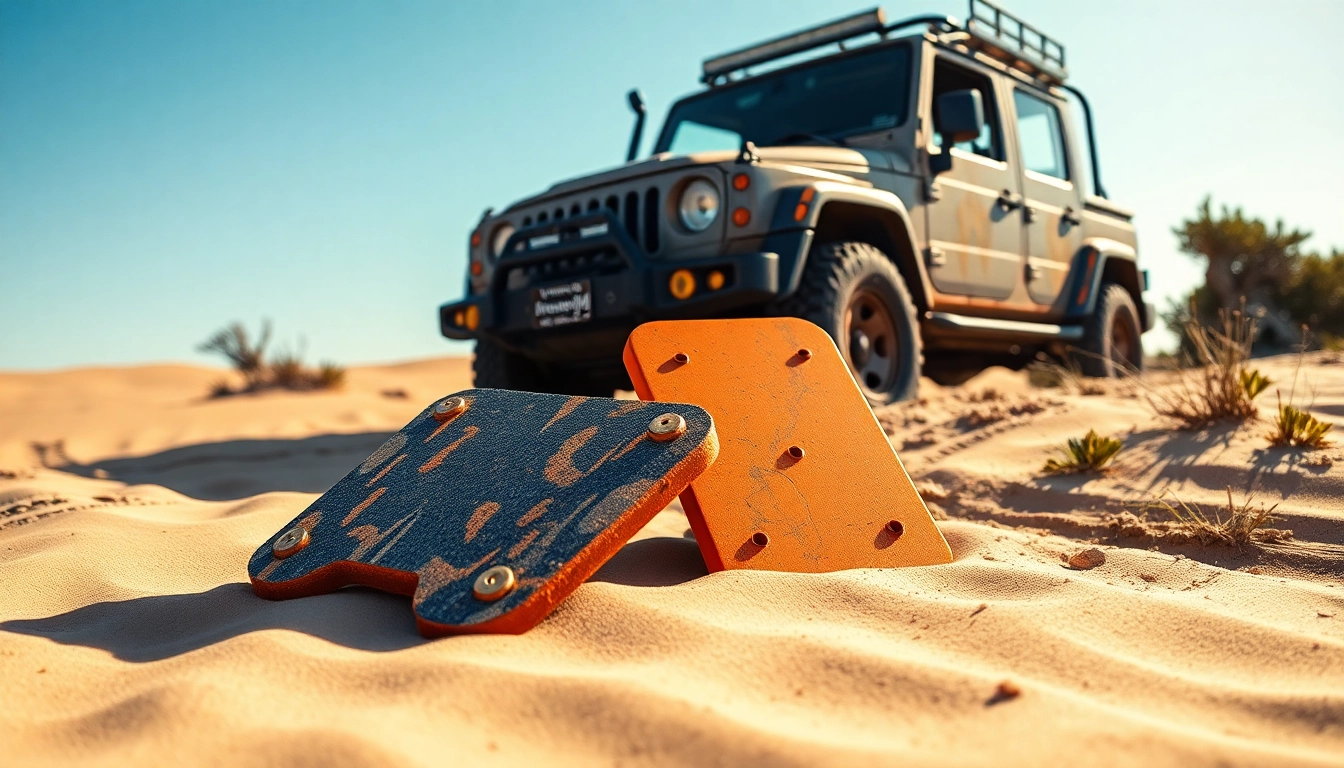
Introduction to Recovery Boards
When venturing into the great outdoors, particularly in remote and rugged terrains, the risk of getting stuck is quite real, whether you're traversing sand dunes or muddy trails. This is where Recovery Boards come into play, serving as essential tools for off-road enthusiasts. Understanding these boards can significantly enhance your off-roading experience, ensuring you're well-prepared for unexpected situations.
What Are Recovery Boards?
Recovery boards, also known as traction boards, are designed to provide vehicles with the necessary grip and traction to escape from challenging situations such as mud, sand, or snow. They are typically made from durable materials like high-density polyethylene or metal and come in various shapes and sizes. The primary function of these boards is to create a stable surface upon which a vehicle's tires can gain proper traction, allowing for effective recovery.
Key Features of Recovery Boards
When selecting recovery boards, there are several key features to consider:
- Material: Quality recovery boards are often made of heavy-duty plastic or metals to withstand harsh conditions.
- Portability: Most recovery boards are designed to be lightweight and easy to transport.
- Teeth Design: The surface often features protrusions or teeth, enhancing the grip for tire traction.
- Length and Width: Different sizes accommodate various vehicle types and recovery situations.
- UV Resistance: Boards that can resist sun damage ensure longevity and durability.
How Recovery Boards Work
The effectiveness of recovery boards lies in their ability to provide immediate traction for stuck vehicles. When a vehicle is stuck, placing the recovery board in front of the drive wheels allows the tire to regain grip. As the tire rolls over the board, the teeth or ridges engage with the tread of the tire, preventing wheel spin and enabling the vehicle to move forward. This straightforward yet effective approach can save time and reduce frustration in off-road recovery scenarios.
Types of Recovery Boards Available
Plastic vs. Metal Recovery Boards
Deciding between plastic and metal recovery boards primarily hinges on your specific needs and the environments in which you'll be operating. Plastic boards are lightweight and resistant to rust, offering flexibility and ease of use. They typically provide excellent performance in soft terrains like sand and snow but may not withstand extreme conditions as well as metal boards. On the other hand, metal boards offer superior durability, making them suitable for rocky or rugged terrains but tend to weigh more and can rust if not properly cared for.
Size and Weight Considerations
The size and weight of recovery boards are critical factors that can influence your recovery efforts. Larger boards, while offering more surface area, can be cumbersome to transport. Conversely, smaller boards are easier to carry but may be ineffective in deep sand or mud. It’s advisable to consider the type of vehicle you have and the terrain you’ll encounter. For instance, off-road vehicles may benefit from larger boards due to their stability and surface area, while compact vehicles might find success with more portable options.
Features to Look for in Recovery Boards
When choosing recovery boards, look for features such as:
- Integrated Handles: Some models come with handles for easy placement and retrieval.
- Multiple Textures: Boards with different surface textures can provide versatility for various terrains.
- Color Visibility: Bright colors improve visibility in low-light conditions, aiding in quick access.
- Stackability: Boards designed to stack are easier to store and transport.
Benefits of Using Recovery Boards
Improving Vehicle Recovery Situations
Recovery boards can dramatically improve the chances of vehicle recovery in challenging situations. They allow drivers to save themselves without having to rely on roadside assistance or fellow travelers, ensuring that you can get back on the road quickly. The ease of use and effectiveness of these tools means that even novices can manage vehicle recovery successfully, making them an invaluable asset for any outdoor adventure.
Enhancing Off-Road Safety
In addition to their functional purpose, recovery boards contribute to off-road safety. By equipping yourself with the right tools, you can reduce the risk of getting stranded in remote areas. Proper use of recovery boards fosters confidence, allowing drivers to explore more challenging terrains with the knowledge they have reliable recovery options at hand.
Investing in Quality Recovery Boards
While the market offers a wide range of recovery boards at varying price points, investing in high-quality boards is crucial. Cheaper options may break under pressure or fail to provide adequate traction. Quality recovery boards not only last longer but also perform better in critical situations, providing peace of mind and safety during adventures.
User Guide for Recovery Boards
Setting Up Recovery Boards Correctly
Setting up recovery boards correctly is essential for effective recovery. Here’s a step-by-step guide:
- Assess the terrain and decide where to place the recovery board.
- Ensure the vehicle is in a stable position, avoiding sharp declines or inclines.
- Place the recovery board directly in front of the drive tires.
- Keep a safe distance and prepare for the vehicle to move as you accelerate.
Best Practices for Usage
To maximize the effectiveness of recovery boards, follow these best practices:
- Always carry recovery boards in your vehicle during off-road trips.
- Familiarize yourself with proper placements in various terrains.
- Regularly check the boards for wear and tear and replace if necessary.
- Practice recovering your vehicle in a safe, controlled environment.
Post-Recovery Maintenance
After use, recovery boards should be properly maintained to ensure longevity:
- Clean them of mud, sand, and debris.
- Inspect for cracks or damage and address issues immediately.
- Store them in a shaded area to prevent UV damage and warping.
- Regularly monitor them for any changes in condition, especially before trips.
Frequently Asked Questions About Recovery Boards
How do I choose the right Recovery Boards?
Select recovery boards that fit your vehicle type, anticipated terrain, and personal needs. Consider weight, size, and material.
Can I use Recovery Boards on any terrain?
Recovery boards are versatile but work best on soft terrains like sand or mud. They may be less effective on hard surfaces.
How do I maintain my Recovery Boards?
To maintain, regularly clean the boards, inspect for damage, and store them in a cool, dry place away from direct sunlight.
Are Recovery Boards worth the investment?
Yes, quality recovery boards provide reliable assistance in off-road situations, making them a worthwhile investment for outdoor enthusiasts.
What's the best way to store Recovery Boards?
Store recovery boards in a vehicle compartment or garage, ensuring they're dry, clean, and away from direct sunlight to avoid damage.