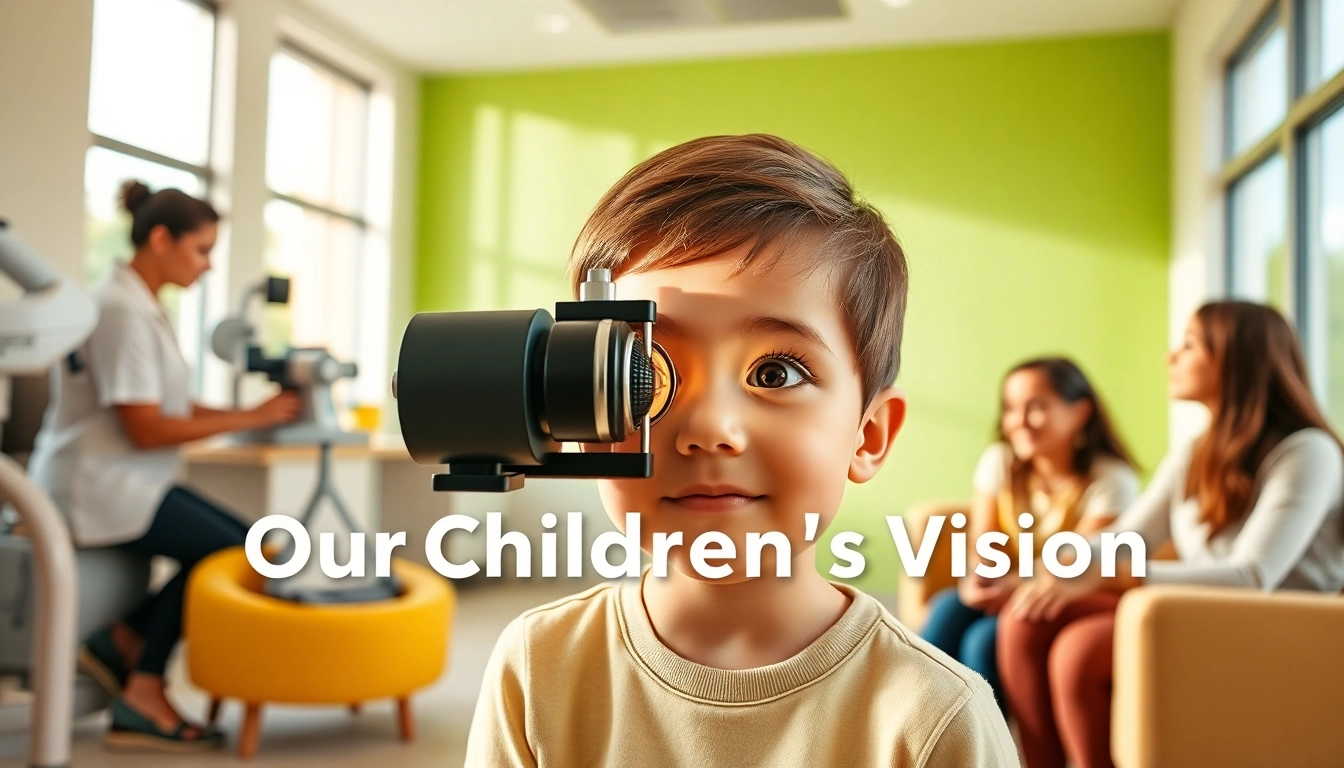
Understanding the Importance of Our Children's Vision
Vision impairment in children is a significant public health issue that can have lifelong implications. Despite considerable advancements in eye care, millions of children worldwide remain undiagnosed and untreated for vision problems. The initiative aimed at improving eye health is crucial. Our Children's Vision is dedicated to rectifying this situation through increased access to eye care services, raising awareness, and advocating for preventive measures in pediatric eye health.
Statistics on Children's Vision Impairment
Globally, it is estimated that 19 million children under the age of 15 are visually impaired, which includes severe forms of blindness. This figure highlights a critical gap in healthcare services specifically targeted at children. Research indicates that routine eye examinations can prevent many of these impairments or at least mitigate their effects. The reality is that many families lack access to affordable and quality optometric care, which perpetuates the cycle of vision impairment.
The Role of Early Detection in Eye Health
Early detection of eye problems can drastically change outcomes for children. Regular vision screening is vital as many common vision problems can be easily corrected if identified early. Conditions such as amblyopia (lazy eye), strabismus (crossed eyes), and refractive errors often manifest in childhood, where intervention can lead to complete resolution. Health services must advocate for early screening starting from preschool age to effectively tackle these issues.
Consequences of Neglected Pediatric Eye Care
Neglecting pediatric eye care can have dire consequences, ranging from impaired educational performance to long-term social and economic challenges. Children rely on their vision for learning and interaction. Vision problems can lead to poor academic performance, social withdrawal, and in severe cases, increased risk of anxiety and depression. It is crucial that parents, educators, and healthcare providers work together to ensure that children receive necessary eye care.
Key Components of Effective Child Eye Health Services
To effectively combat the challenges posed by vision impairment, comprehensive child eye health services must be structured with various essential components that advocate for and facilitate good eye health in children.
Vision Screening Techniques for Young Patients
Vision screening is an essential first step in assessing eye health in children. Several techniques can be employed, including visual acuity tests (for example, the Snellen chart), and photoscreening, which may showcase potential issues with eye alignment or focusing. Programs should also consider incorporating screenings in schools or childcare centers to maximize reach. The goal is to catch problems early before they become more serious.
Comprehensive Eye Examinations Explained
Beyond basic screening, comprehensive eye exams are essential for accurately diagnosing and treating vision issues. These exams typically include a thorough assessment of visual acuity, eye movement, and refractive errors, alongside a health evaluation to check for more serious conditions like cataracts or glaucoma. It is advisable that children undergo these evaluations every one to two years, depending on their risks and pre-existing conditions.
Partnerships in Pediatric Eye Care
Addressing children's vision issues effectively often necessitates collaboration. Partnerships between healthcare providers, educational institutions, and community organizations can significantly enhance outreach and access to services. By pooling resources, sharing knowledge, and organizing community programs, these partnerships can raise awareness, facilitate screening initiatives, and promote eye health education in a far-reaching manner.
Promoting Awareness Around Our Children's Vision
Awareness is the bedrock of effective intervention in children's eye health. Implementing strategies to inform and engage various stakeholders leads to meaningful changes in preventive eye care practice and policy.
Strategies for Community Outreach and Education
Community outreach initiatives such as health fairs, public service announcements, and informational workshops can play a pivotal role in educating families about the importance of eye care. Such programs can demystify eye health and empower parents to seek timely care for their children. Alongside this, educational materials tailored for schools can help ensure children receive necessary services within the educational framework.
Engaging Parents and Caregivers
Parents and caregivers are the primary advocates for their children’s health. By equipping them with information about the signs of potential vision problems, such as squinting or difficulty concentrating on visual tasks, they can take proactive steps toward securing assessments and treatment. Providing checklists and guidelines can facilitate dialogues between parents and pediatricians regarding eye health.
Leveraging Social Media for Awareness Campaigns
Social media is a powerful tool for amplifying awareness campaigns about children's vision. By sharing success stories, tips on eye care, and informative content related to vision health, organizations can reach a broader audience. This engagement can foster community participation and create demand for local services, ultimately leading to better eye care outcomes for children.
Best Practices for Maintaining Healthy Vision in Children
Maintaining healthy vision in children is a proactive and ongoing effort. Implementing best practices in eye care can contribute significantly to long-term eye health.
Steps for Regular Eye Care and Checkups
Regular checkups are essential for maintaining children's eye health. Parents should ensure their children have an eye exam before entering school and subsequently every two years. During these exams, early stages of vision problems can be addressed promptly, and recommendations on protective lenses can be issued as needed. Establishing these checkups as a routine practice is critical for long-term success.
Nutritional Guidelines for Eye Health
A well-balanced diet rich in vitamins A, C, and E, omega-3 fatty acids, and minerals like zinc are crucial in promoting healthy vision. Foods such as leafy greens, fish, nuts, and fruits should be emphasized in children's diets. Educating both parents and children on the importance of nutrition can lead to healthier lifestyles that support not only eye health but overall well-being.
Activities and Exercises to Support Vision Development
Certain activities and exercises can help support children's vision development. These include outdoor play, which has been linked to a reduced risk of myopia, and vision-focused games that enhance hand-eye coordination and depth perception. Incorporating a variety of visual activities into children's playtime can develop their visual skills effectively and in an engaging manner.
Measuring the Impact of Initiatives for Our Children's Vision
To ensure ongoing effectiveness and improvement of initiatives aimed at enhancing pediatric eye health, it is essential to establish metrics for measuring success.
Setting Performance Metrics for Eye Health Programs
Performance metrics can help assess the impact of eye health programs. This could include tracking the number of children screened, the percentage of those requiring follow-up care, and improvements in diagnosed conditions over time. Setting specific targets for outreach and education efforts can also help gauge the effectiveness of various strategies.
Success Stories from Eye Care Initiatives
Sharing success stories of children who have benefited from eye care interventions can serve as powerful motivators for communities and stakeholders. These stories can illustrate the tangible outcomes of investing in children's vision health and encourage parents to take action toward ensuring proper eye care for their children.
Future Directions and Goals in Children's Vision Health
Looking forward, the ongoing goals in children's vision health should focus on the continuous improvement of eye care technologies, expanding access to services, and increasing awareness for preventive measures within communities. Targeting underserved areas is essential in making strides towards equity in eye care. Long-term collaborations between the health sector and community organizations are vital in addressing these challenges.