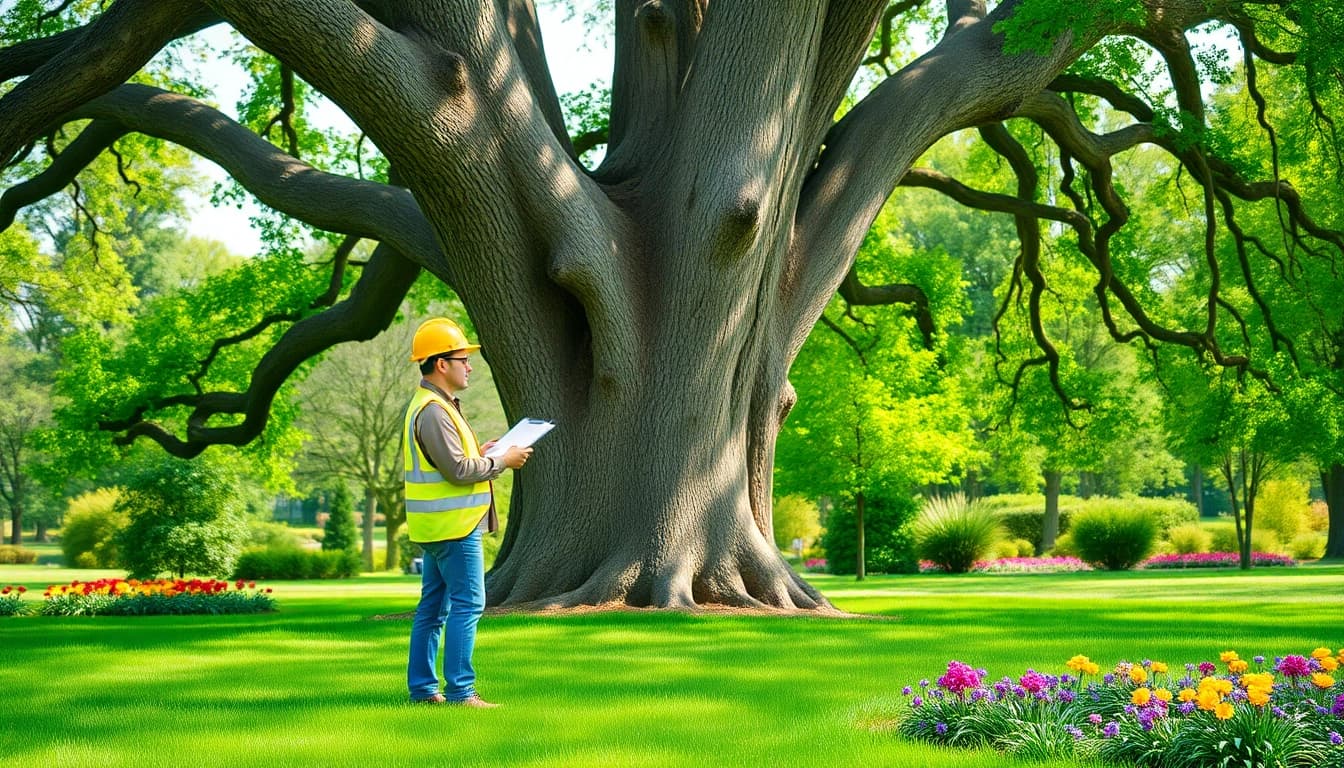
Understanding Tree Consultancy
What is Tree Consultancy?
Tree Consultancy refers to the professional services offered by certified arborists or tree care specialists aimed at managing the health, safety, and overall care of trees. These experts assess various aspects related to tree growth, health, and environmental balance. They work with homeowners, businesses, and municipalities to provide vital insights into tree management strategies. Tree Consultancy covers a wide range of services including health inspections, risk assessments, and recommendations for maintenance practices.
Importance of Tree Consultancy
The significance of tree consultancy cannot be overstated, especially as urbanization continues to challenge the health of our trees. Well-maintained trees provide numerous environmental benefits including air purification, noise reduction, and biodiversity enhancement. Professional tree consultants play a critical role in ensuring that trees thrive in landscapes where they are often under stress from pollution, pests, and inadequate care. Their expertise helps to:
- Enhance the aesthetic value of properties.
- Improve safety by assessing the risk of tree failure.
- Increase property values through effective tree management.
- Educate clients about the importance of trees in urban settings.
Services Offered by Tree Consultancy
Tree consultancy services can vary widely, but most offer a standard set of key services:
- Tree Health Assessments: Comprehensive evaluations of tree vitality.
- Risk Assessment: Identifying potential hazards posed by trees.
- Pruning and Maintenance Advice: Guidance on the best practices for tree upkeep.
- Pest and Disease Management: Strategies for controlling infestations and diseases.
- Tree Preservation Plans: Developing strategies to protect trees during construction.
Assessing Tree Health
Identifying Common Tree Diseases
Identifying diseases that affect trees is an integral part of tree consultancy. Common tree diseases include:
- Root Rot: Often caused by overwatering and fungal pathogens, leading to significant tree decline.
- Powdery Mildew: A fungal disease that manifests as white powdery spots on leaves, which can stunt growth.
- Oak Wilt: A serious disease that can kill oak trees, causing leaf discoloration and early defoliation.
A qualified consultant should be able to recognize the signs of these diseases and recommend appropriate treatment.
Signs of Tree Stress
Tree stress often manifests through a variety of symptoms, which can indicate that the tree is in distress:
- Wilting or yellowing leaves: A clear indication that a tree is struggling.
- Early leaf drop: Trees that are shedding leaves excessively may be experiencing environmental stress.
- Cracked bark: Damage to bark can expose trees to pests and diseases, leading to further health issues.
Recognizing these signs early can prompt timely interventions that may save the tree.
Importance of Regular Tree Inspections
Regular inspections by a qualified tree consultant are crucial for maintaining tree health. These assessments help to catch health issues before they escalate, ensuring that trees remain safe and healthy. A thorough inspection typically includes:
- Examination of the root system.
- Assessment of the overall structure and stability.
- Detection of signs of disease or pest infestations.
- Evaluation of surrounding environmental factors.
By scheduling regular inspections, clients can safeguard their investments and promote a healthy ecosystem.
Tree Management Practices
Best Pruning Techniques
Pruning is fundamental to maintaining tree health and aesthetics. Tree consultancy professionals use several techniques to ensure that trees are pruned correctly:
- Thinning: This involves selectively removing branches to improve air and light penetration.
- Deadwood Removal: Keeping trees clear of dead or decaying wood prevents pest infestations.
- Canopy Reduction: This assists in maintaining the size of a tree and lessens wind resistance, reducing the chance of tree failure.
Employing the wrong pruning techniques can lead to significant health issues or even death for the tree, highlighting the need for professional guidance.
Assessing Tree Risk and Safety
Tree risk assessment is a proactive step that can prevent accidents. Risk assessments typically consider factors such as:
- The tree’s health status and signs of distress.
- Location near infrastructure or homes.
- Potential for wind or storm damage.
By understanding these risks, property owners can make informed decisions about tree management and safety measures.
When to Seek Professional Help
Knowing when to consult a tree care professional is essential for effective tree management. Signs that indicate a need for professional help include:
- Severe pest infestations that cannot be managed through basic means.
- Signs of disease that worsens over time despite care efforts.
- Visible damage after storms or high winds.
- Concern about safety regarding nearby structures or pedestrians.
If uncertain, always opt to consult an expert to avoid further complications.
Environmental Impact of Trees
Trees and Urban Ecosystems
The role of trees in urban ecosystems is significant. Trees help to mitigate the urban heat island effect, improve air quality, and stabilize soils. Their presence is known to enhance the quality of life for residents by providing shade, beauty, and recreational opportunities. Effective tree management contributes to a healthier urban environment by:
- Providing habitat for urban wildlife.
- Enhancing pedestrian experience and community spaces.
- Improving mental health through exposure to green spaces.
Consultants can advise local governments on planting strategies to maximize these benefits.
Carbon Sequestration Benefits
One of the most important roles trees play is their ability to sequester carbon dioxide, a principal greenhouse gas. Trees absorb CO2 during photosynthesis, converting it to oxygen and storing carbon in their biomass. Effective tree management amplifies these benefits by:
- Preserving old trees that have large carbon storage capacities.
- Encouraging the planting of new trees in urban developments.
- Promoting species selection that are particularly effective at carbon storage.
Using tree consultancy services can ensure that community forests are maximizing their potential for climate mitigation.
Promoting Biodiversity Through Effective Management
Healthy trees are vital for promoting biodiversity. They create habitats for various species and maintain ecological balance within urban and rural environments. Consultancy services implement strategies such as:
- Diverse planting programs to encourage a range of species.
- Monitoring local wildlife interactions with vegetation.
- Incorporating native species that support local ecosystems.
By promoting biodiversity through tree management, we create resilient ecosystems that can withstand environmental changes.
Frequently Asked Questions about Tree Consultancy
How often should I schedule a tree inspection?
It is advisable to conduct tree inspections at least once a year, or more frequently if issues arise, to maintain tree health and safety.
What is the cost of tree consultancy services?
Costs for tree consultancy vary based on services, tree size, and location, typically ranging from £50 to £200 per session.
Can tree consultancy help in tree planting?
Yes, tree consultancy services can provide expert advice on selecting appropriate species and their strategic placement for optimal growth.
How does tree consultancy contribute to safety?
Tree consultants evaluate tree health and associated risks, helping to prevent accidents caused by falling branches or trees.
What qualifications should a tree consultant have?
It is important to choose certified arborists with expertise in tree biology, disease management, and safety protocols.