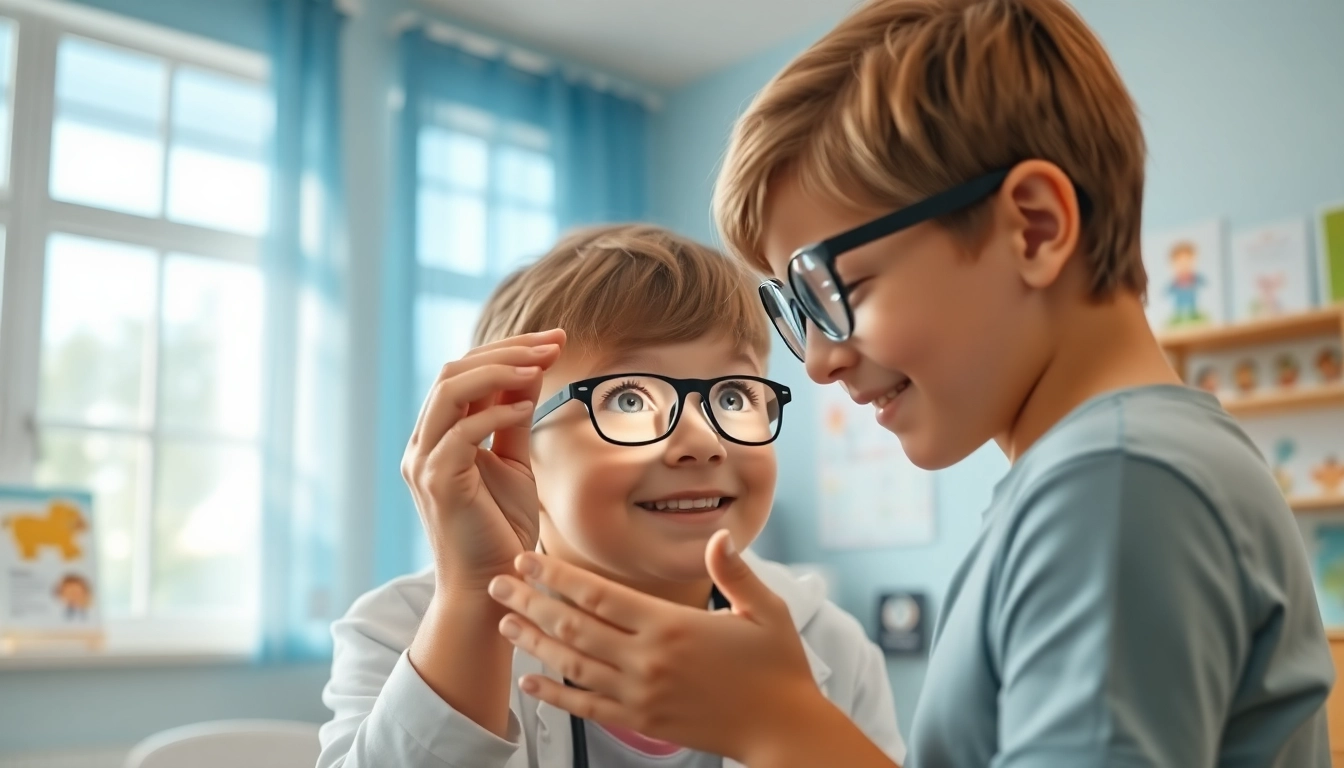
Understanding Our Children's Vision Needs
Vision is one of the most critical senses that significantly influences children's development, learning, and overall well-being. As parents, educators, and caregivers, understanding the nuances of children's vision needs is essential for fostering their growth. Regular eye care practices are vital for ensuring that children achieve their developmental milestones. Seeking resources such as Our Children's Vision can support families in navigating the world of pediatric eye health effectively.
The Importance of Regular Eye Examinations
Routine eye examinations are an essential aspect of children's health. Just like regular check-ups for bodily health, eye exams play a crucial role in early identification and intervention of vision problems. The American Optometric Association recommends that children have their first eye exam at six months of age, with subsequent screenings at age three and then before they enter school. These exams are crucial because many eye conditions can develop quietly without noticeable symptoms.
Common Eye Conditions in Children
Various eye conditions can affect children, and early detection can prevent long-term consequences. Some of the most common conditions include:
- Amblyopia: Often referred to as lazy eye, amblyopia occurs when vision does not develop properly in one eye. It can lead to permanent vision loss if not treated early.
- Strabismus: This condition is characterized by misalignment of the eyes, which can lead to double vision or affect depth perception.
- Refractive errors: Commonly including nearsightedness (myopia), farsightedness (hyperopia), and astigmatism, these issues can usually be corrected with glasses or contact lenses.
Signs Your Child May Need an Eye Exam
As a parent, it's important to be vigilant for signs that may indicate your child requires an eye exam. Common warning signs include:
- Squinting or straining to see
- Frequent headaches
- Difficulty focusing on objects at different distances
- Closing one eye when reading or watching TV
- Complaints of blurry or double vision
Being proactive in seeking eye care can ensure that any potential issues are addressed promptly, allowing for optimal visual development.
How to Support Healthy Vision Development
Supporting healthy vision development in children goes beyond regular eye exams. Parents and caregivers can take several proactive measures to enhance children's ocular health.
Nutrition and Eye Health for Kids
Nutrition plays a pivotal role in maintaining eye health. A diet rich in specific nutrients can support good vision and help protect against eye diseases. Key nutrients include:
- Omega-3 fatty acids: Found in fish like salmon, these fatty acids are essential for optimal retinal health.
- Vitamins C and E: These antioxidants, found in citrus fruits and nuts, help combat oxidative stress in the eyes.
- Leafy greens: Foods such as spinach and kale are rich in lutein and zeaxanthin, which are protective for the retina.
- Vegetables high in beta-carotene: Carrots, sweet potatoes, and squash help maintain overall eye health.
Encouraging children to adopt a balanced, nutrient-rich diet can contribute significantly to their visual development and overall health.
Screen Time Guidelines for Children's Eyes
In the modern age, screen time is a significant factor that can impact children's vision. The American Academy of Pediatrics provides guidelines to help manage screen time for children:
- Children ages 2 to 5 should have no more than one hour of high-quality programming each day.
- For children younger than 18 months, avoid the use of screen media other than video chatting.
- Encourage frequent breaks during screen time, following the 20-20-20 rule: every 20 minutes, look at something 20 feet away for at least 20 seconds.
Implementing these guidelines can help mitigate potential eye strain and promote healthier screen habits.
Engaging Activities to Promote Vision Skills
Promoting vision skills can be both fun and educational. Engaging children in various activities can enhance their visual development:
- Outdoor play: Encouraging children to play outside helps develop distance vision and hand-eye coordination.
- Games and puzzles: Activities such as jigsaw puzzles, bead threading, and eye-hand coordination games enhance visual skills.
- Reading together: Reading books helps improve focus and comprehension, which plays a role in visual development.
Creating opportunities for children to engage in these activities will help them develop essential vision skills in a playful manner.
Choosing the Right Eye Care Professionals
Selecting qualified eye care professionals is vital to ensure quality eye health assessments and interventions. Understanding what to look for will help parents make informed decisions.
What to Look for in a Pediatric Optometrist
When searching for a pediatric optometrist, consider the following criteria:
- Credentials and experience: Ensure that the practitioner has specialized training in pediatric care.
- Office environment: Look for a child-friendly office that can make children feel comfortable and at ease.
- Reputation: Seek recommendations from other parents or pediatricians and read reviews to gauge the quality of care.
A well-qualified optometrist will provide comprehensive care tailored to children's unique needs.
Questions to Ask During Appointments
Communicating effectively with the eye care professional is essential. Here are important questions to consider during appointments:
- What types of examinations do you recommend for children, and how often should they occur?
- Are there specific signs or symptoms we should watch for regarding vision issues?
- What treatment options are available if a vision problem is detected?
- How can we best support our child's eye health at home?
Asking these questions will ensure that parents are well-informed and involved in their child's vision care journey.
The Role of Family in Vision Care
Family members play a crucial role in managing and supporting a child's vision health. Encouraging discussions around eye health, modeling positive habits, and participating in activities that promote vision are all integral strategies families can adopt.
Establishing a regular routine that includes eye care, nutritional meals, and outdoor play will create a supportive environment for children's vision development.
Understanding Vision Correction Options
When it comes to correcting vision problems, parents have various options to consider. Choosing the right method can significantly enhance children's ability to see clearly and engage effectively with their surroundings.
Glasses vs. Contact Lenses for Children
Both glasses and contact lenses can effectively correct vision. However, there are key differences to consider when deciding which option is best for a child:
- Glasses: Glasses are often the first choice for young children. They are easier to put on and remove and require less responsibility. Custom frames designed for children also foster comfort.
- Contact lenses: Older children or teens may benefit from contact lenses, which provide a full field of vision without frames obstructing sight. Soft lenses are now available, which are comfortable for daily wear.
Balancing convenience, lifestyle, and personal preference will guide the decision-making process regarding vision correction.
Advancements in Pediatric Vision Correction
Recent advancements in technology have led to innovative treatments for children's vision problems. Options such as ortho-k (orthokeratology) involve wearing specially designed contact lenses overnight to reshape the cornea and reduce myopia. New surgical interventions, like LASIK, have also emerged but are typically reserved for older teens due to the maturity of their eyes.
Stay informed about innovative technologies and treatments through discussions with eye care professionals.
How to Encourage Acceptance of Vision Aids
Acceptance of glasses or contact lenses can be a challenge for some children. Here are strategies to foster acceptance:
- Involve children in the selection: Letting children choose their frames or contact lenses can make them more enthusiastic about wearing vision aids.
- Positive reinforcement: Celebrate milestones or new experiences related to wearing glasses or contacts.
- Address concerns: Openly discuss any fears or misconceptions about wearing vision aids and provide reassurance.
Facilitating a positive experience with vision aids can significantly impact a child's willingness to use them consistently.
Tracking Progress and Development
Tracking a child’s visual development is critical for identifying changes and making necessary adjustments in care. Setting clear goals and monitoring progress can facilitate effective communication between caregivers and eye care professionals.
Setting Vision Goals with Your Child
Collaboration with children to set achievable vision goals can empower them and promote involvement in their care. Simple goals might include:
- Reading for a certain amount of time each day.
- Participating in outdoor play regularly.
- Regularly wearing their glasses or contact lenses.
Creating vision goals together encourages children to take ownership of their eye health and understand the benefits of maintaining good vision.
Monitoring Changes in Vision Over Time
Tracking changes in vision can be as simple as noting alterations in reading habits or reporting how well a child sees on their daily activities. Keeping a log of these observations can help eye care professionals understand how effective the prescribed treatment is and may lead to necessary adjustments.
Resources for Parents on Eye Health
Numerous resources are available to assist parents in navigating children's eye health. Websites, community health resources, and educational pamphlets from eye care clinics can provide valuable information on every aspect of pediatric vision. Networking with other parents can also yield insights and shared experiences that further enrich your understanding of vision health.