Introduction to Automatic License Plate Recognition
The landscape of traffic management and security has significantly evolved with the advent of technology, and one of the standout innovations in this field is automatic license plate recognition (ALPR). This technology provides a means to capture and process vehicle registration plates in real-time, greatly enhancing the way law enforcement, transport agencies, and parking facilities operate. In this comprehensive guide, we will delve into the intricacies of ALPR, how it works, its various applications, associated challenges, best practices for implementation, and the technology's promising future.
What is Automatic License Plate Recognition?
Automatic License Plate Recognition is a sophisticated technology that utilizes optical character recognition (OCR) to interpret and process license plate details from images. Typically implemented through robust camera systems, ALPR captures images of vehicles, converts the license plate information into machine-readable data, and can store or analyze this data for various purposes. This capability is not only vital for law enforcement but extends to different sectors, such as parking management and urban security.
How Does Automatic License Plate Recognition Work?
The functionality of an ALPR system can be broken down into several key steps:
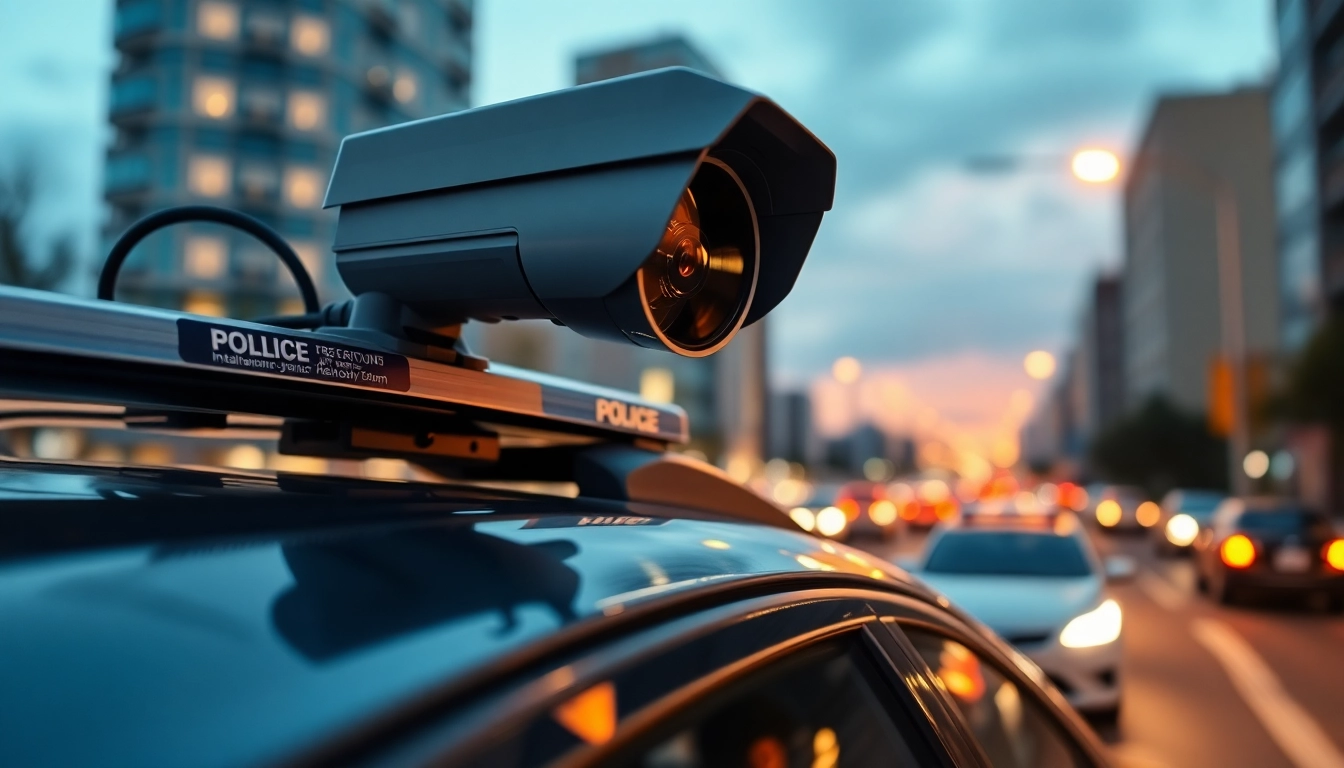
- Image Capture: High-resolution cameras are strategically placed to capture images of passing vehicles. The cameras can be fixed or mobile, depending on the application's scope.
- Image Processing: Captured images are processed using specialized software that employs advanced algorithms to isolate and enhance the license plate image.
- Optical Character Recognition: The software converts the visual representation of the license plate into alphanumeric characters using OCR technology.
- Data Storage and Analysis: The captured data can be stored in databases and compared against various lists, such as those of stolen vehicles or vehicles with unpaid citations.
Benefits of Using Automatic License Plate Recognition
Implementing ALPR systems offers several advantages:
- Enhanced Efficiency: ALPR automates the tedious process of manually recording and checking license plates, allowing for swift data collection and analysis.
- Improved Accuracy: The precision of OCR technology minimizes human error, ensuring that license plate data is captured and reported accurately.
- Data-Driven Decisions: Law enforcement and municipal agencies can leverage the data collected for strategic decisions related to resource allocation and crime prevention.
- Increased Safety and Security: Real-time alerts regarding stolen vehicles or wanted suspects can improve the responsiveness of law enforcement.
- Streamlined Operations: Applications in parking management can automate payment processing and enable more efficient space utilization.
Applications of Automatic License Plate Recognition
Law Enforcement and Traffic Management
One of the primary applications of ALPR technology is in law enforcement and traffic management. By constantly monitoring vehicle flow and capturing license plate data, police agencies can quickly identify stolen vehicles or vehicles linked to criminal activity. ALPR systems allow for the creation of real-time databases that can notify officers of any potential threats during their patrols. Furthermore, data analytics can assist in reducing traffic congestion and preventing accidents by providing insights into vehicle patterns and compliance with traffic regulations.
Parking Management Solutions
In the realm of parking management, ALPR technology enables automatic ticketing, payment processing, and real-time occupancy tracking. Parking facilities equipped with ALPR can streamline entry and exit procedures, reducing the time vehicles spend waiting, which ultimately improves user satisfaction. Additionally, businesses can prevent parking violations effectively by monitoring and enforcing compliance automatically, leading to better management of parking spaces in busy urban areas.
Urban Surveillance and Security Enhancements
ALPR systems also play a crucial role in urban surveillance efforts, offering cities enhanced capabilities to monitor public spaces and ensure overall safety. By integrating ALPR technology with existing security systems, municipalities can create a network of surveillance that assists in crime prevention and response. For example, historical data from ALPR can help authorities understand crime trends by correlating vehicle movement to criminal activity, leading to more strategic policing efforts.
Challenges in Implementing Automatic License Plate Recognition
Technical Limitations and Accuracy Concerns
While ALPR technology brings numerous benefits, it does have its challenges. Technical limitations such as poor image quality due to low lighting, adverse weather conditions, or the speed at which vehicles travel can hinder the accuracy of readings. Additionally, variations in license plate designs (such as plate wear or modifications) can confuse OCR algorithms, potentially resulting in misidentifications.
Legal and Ethical Implications
As with any surveillance technology, the deployment of ALPR systems raises critical legal and ethical concerns regarding surveillance and civil liberties. The collection and storage of vehicle data can be viewed as an invasion of privacy, prompting debates about data governance and user consent. Addressing these issues effectively requires thorough understanding and adherence to local laws, as well as establishing transparent policies regarding data usage and retention.
Data Privacy Considerations
The aggregation of vast amounts of vehicular data necessitates strict data privacy measures to protect against unauthorized access and misuse. Organizations that implement ALPR solutions must put in place robust cybersecurity protocols and ensure compliance with regulatory frameworks like the General Data Protection Regulation (GDPR) or local privacy statutes. Continuous audits and assessments of the data management practices are essential to uphold the integrity of ALPR systems.
Best Practices for Effective Use of Automatic License Plate Recognition
Choosing the Right Technology Provider
Selecting a reputable technology provider is crucial to the effective implementation of ALPR systems. Look for vendors with a proven track record of delivering reliable and robust ALPR solutions that meet specific industry standards. Assess capabilities regarding software flexibility, integration options, and responsive customer support to ensure alignment with organizational needs.
Proper Installation and Maintenance
Proper installation has a direct impact on the performance of an ALPR system. Install camera systems at locations that optimize line-of-sight and reduce obstructions. Routine maintenance checks are necessary to ensure that cameras remain operational and that updates to software are consistently applied to improve functionality and enhance security.
Integrating with Existing Systems
A successful ALPR implementation often involves integrating with existing law enforcement databases or city management systems. Ensure that the ALPR system can seamlessly communicate with these platforms to enhance data utility and operational responsiveness. Providing training for staff on using integrated systems leads to improved operational efficiency and efficacy.
Future of Automatic License Plate Recognition Technology
Advancements in Machine Learning and AI
The future of ALPR technology is poised for exciting innovations, particularly with advancements in machine learning and artificial intelligence. As these technologies evolve, we can expect higher accuracy rates, improved data analytics capabilities, and more rapid processing times. Machine learning can enhance the OCR systems, allowing for adaptive learning from existing datasets to improve performance in diverse settings.
Potential for Widespread Adoption
As ALPR technology continues to mature, its potential applications will likely expand beyond traditional realms. Industries such as logistics and shipping may adopt ALPR systems for fleet management while retail establishments could leverage the technology for customer insights and security enhancement. As user awareness and comfort with such technologies grow, we anticipate wider acceptance across various sectors.
Emerging Trends in License Plate Recognition
Several emerging trends are expected to shape the future of automatic license plate recognition. These include the integration of ALPR with Internet of Things (IoT) devices for enhanced connectivity, utilization of cloud storage solutions for data safety, and improved cross-border collaboration for traffic management and security initiatives. Altogether, these trends point toward a future where ALPR technology could play a pivotal role in a smarter and safer urban landscape.
FAQs about Automatic License Plate Recognition
What types of systems utilize ALPR?
ALPR can be utilized in various systems, including law enforcement, parking management, toll collection, and urban surveillance. Each system leverages ALPR technology based on specific operational needs.
How is ALPR data used by law enforcement?
Law enforcement agencies use ALPR data to identify stolen vehicles, monitor traffic violations, and enhance surveillance efforts. The captured data can be cross-referenced with national databases for real-time alerts.
Can ALPR work in all weather conditions?
While ALPR systems are designed to operate in various weather conditions, extreme weather can affect image quality. Regular maintenance and advanced camera types can help mitigate these challenges.
How long is ALPR data stored?
Data retention policies vary by jurisdiction, but many agencies store ALPR data for a specified period, typically ranging from a few weeks to several months, depending on legal requirements.
Does ALPR infringe on privacy rights?
ALPR technology raises concerns regarding privacy rights. It's crucial that agencies implement transparent policies governing data collection, usage, and retention to build public trust and comply with laws.