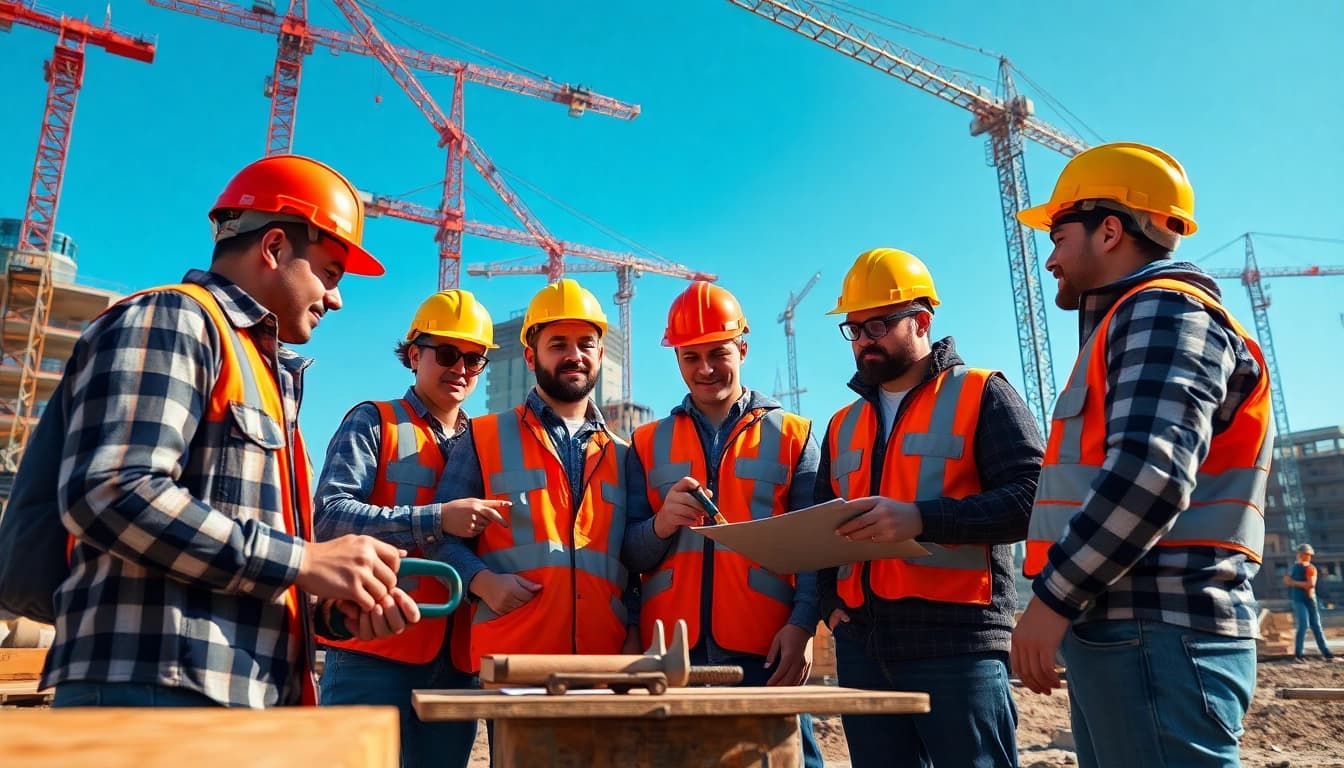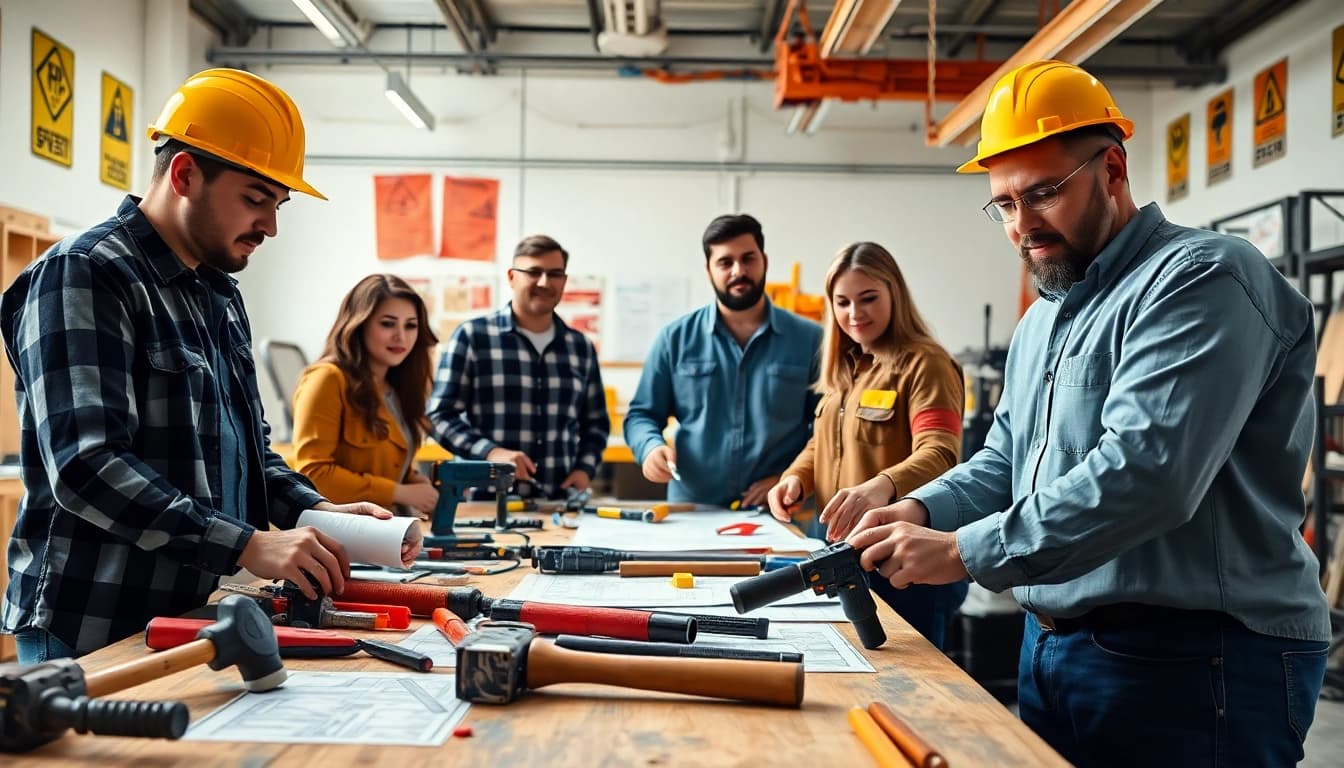
Introduction to Construction Training
In the rapidly evolving world of construction, staying ahead of the curve is crucial. Construction training encompasses a range of educational programs designed to equip individuals with the necessary skills and knowledge for this dynamic industry. Engaging in proper construction training not only enhances one's career trajectory but also contributes positively to the overall safety and efficiency of the construction site. By integrating practical skills and theoretical knowledge, construction training prepares workers to meet the industry's challenges head-on.
The Importance of Construction Training
The significance of construction training cannot be overstated. As new technologies and techniques continually emerge, workers must adhere to contemporary standards to remain competitive. Furthermore, effective training can greatly reduce workplace accidents, ensuring that both workers and job sites remain safe. Reliable construction training instills confidence in workers, enhances teamwork, and ultimately leads to a higher quality of work.
Key Skills Developed in Construction Training
Construction training allows participants to develop a myriad of essential skills that are critical for success in the field. These include:
- Technical Skills: Proficiency in tools and machinery is crucial.
- Project Management: Understanding the phases of construction projects enhances workflow.
- Problem-Solving: Workers learn how to foresee and address challenges effectively.
- Communication: Coordination among teams improves project execution.
- Safety Awareness: Knowledge of safety protocols reduces risks on site.
Types of Construction Training Programs Available
Numerous construction training programs cater to different needs. Below are some prevalent options:
- Apprenticeships: These programs combine on-the-job training with classroom instruction.
- Certification Courses: Specialized courses focusing on specific skills such as OSHA training or first aid.
- Workshops: Short-term instructional sessions on particular tools or techniques.
- Online Courses: Flexible learning options that can be accessed remotely.
Core Components of Construction Training
Safety Protocols in Construction Training
Without emphasizing safety, construction training falls short. Safety protocols are integral to training programs, ensuring participants can navigate potential hazards effectively. From recognizing site risks to using personal protective equipment correctly, safety training forms a pillar of any comprehensive curriculum.
Hands-On Experience vs. Theoretical Knowledge
A balance between hands-on experience and theoretical understanding is vital in construction training. While theoretical lessons lay the foundation of knowledge, practical, real-world applications build confidence. Incorporating simulations and on-site training enhances retention and skill development.
Certification and Accreditation in Construction Training
Certification and accreditation serve as proof of a worker’s skills and knowledge level. Various organizations provide certifications that are recognized by employers, enhancing job prospects for graduates of training programs. Workers should aim for programs that are accredited and industry-recognized to ensure their training remains relevant.
Best Practices for Effective Construction Training
Engaging Training Methods for Learners
To enhance the effectiveness of construction training, various engaging methods can be employed. Interactive sessions, workshops, and real-life simulations enable participants to learn in a dynamic environment. Additionally, incorporating team-based projects fosters collaboration and reinforces learning outcomes.
Using Technology to Enhance Construction Training
The integration of technology in construction training has transformed how skills are taught. Virtual learning environments, augmented reality demonstrations, and mobile learning applications provide immersive experiences. These tools can support diverse learning styles and increase engagement among participants.
Feedback and Improvement in Training Programs
Continuous feedback is essential for improving construction training programs. Gathering input from participants allows trainers to refine curricula based on real-world effectiveness. Engaging in regular assessments, such as quizzes and practical tests, helps determine areas in need of improvement and fortifies learning objectives.
Challenges in Construction Training
Addressing Skill Gaps in the Industry
One of the primary challenges in construction training is the noticeable skill gap. With rapid advancements in technology, ensuring that training programs address these gaps is crucial. Collaborative partnerships with industry stakeholders can help align training with current needs, ensuring graduates are job-ready.
Overcoming Participant Engagement Issues
Maintaining participant engagement is fundamental to training effectiveness. This can be achieved by providing diverse and stimulating content, fostering open communication, and creating a supportive learning atmosphere. Incorporating feedback mechanisms encourages participants to voice their needs and contribute to their learning journey.
Regulatory Compliance in Construction Training
Adhering to regulatory standards is a critical component of construction training. Training programs must consistently align with local, state, and federal regulations to maintain credibility and legality. Regular updates regarding changes in regulations ensure the curriculum remains compliant and relevant.
Future Trends in Construction Training
Green Construction and Sustainable Practices
The construction industry is witnessing a shift towards sustainability and green practices. Training programs emphasizing eco-friendly methods and materials will become increasingly important. Educating workers about sustainable practices not only enhances industry standards but also appeals to environmentally conscious clients.
Adopting Virtual Reality in Training
Virtual reality (VR) technology is emerging as a transformative training tool in the construction industry. By simulating real-life construction scenarios, VR enhances safety training and skill development. Participants can practice in a controlled environment, gaining confidence without the risks associated with actual on-site training.
Emerging Technologies in Construction Training
As the construction industry embraces technological advancements, training programs must adapt accordingly. From drones used for site observation to construction management software for project oversight, incorporating these technologies into training prepares workers for the future landscape of construction.
Frequently Asked Questions
What is construction training?
Construction training is a program designed to equip individuals with necessary skills and knowledge for various construction tasks, ensuring worker safety and efficiency.
Why is construction training important?
Construction training is crucial for enhancing safety, improving skills, and ensuring that workers meet industry standards necessary for successful project completion.
What types of construction training programs are available?
Types of construction training include apprenticeships, certification courses, workshops, and online courses, each tailored to different learning needs.
How does technology enhance construction training?
Technology enhances construction training through interactive platforms, virtual demonstrations, and mobile applications, making learning more engaging and effective.
What are the challenges in construction training?
Challenges include skill gaps, participant engagement issues, and ensuring regulatory compliance, necessitating ongoing adaptation and feedback in training programs.