Understanding Computer Support Fundamentals
Definition of Computer Support
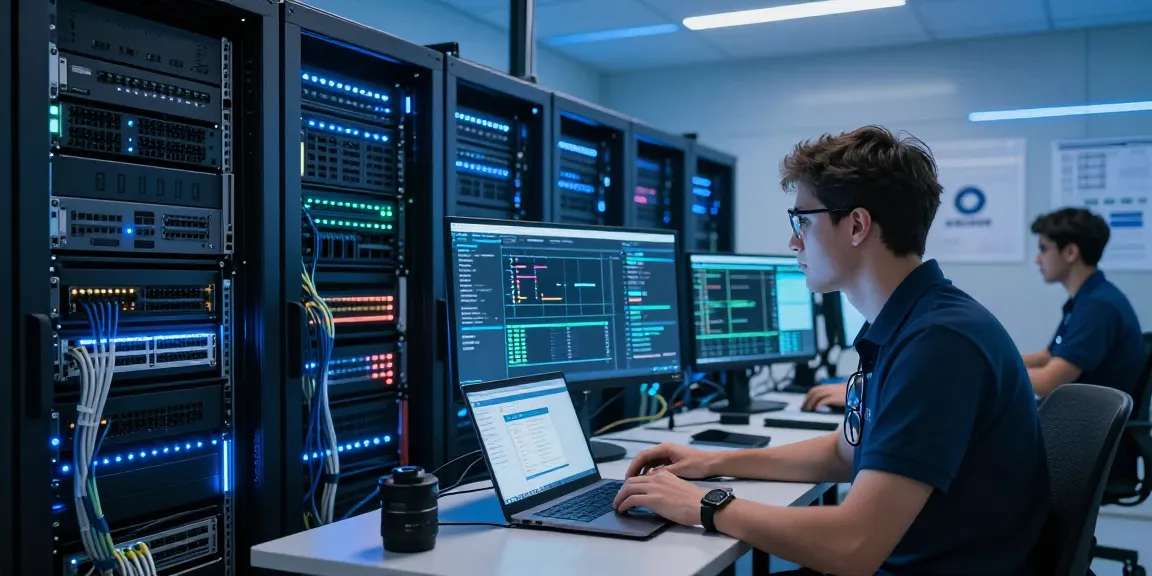
Computer support refers to a range of services designed to help users get the most out of their computing devices, including desktops, laptops, tablets, and servers. This support can involve troubleshooting issues, guiding through setup processes, and providing advice on hardware and software considerations. Essentially, it aims to ensure that users can efficiently utilize technology without disruption. These services can be provided by internal IT teams, specialized tech support firms, or freelancers, depending on the organization or individual’s needs.
Importance of Reliable Computer Support
In our increasingly digital world, the reliability of computer support cannot be overstated. Efficient computer support minimizes downtime and maximizes productivity, allowing organizations to focus on their core objectives rather than being bogged down by technical difficulties. Furthermore, having a trustworthy computer support mechanism in place enables swift responses to any technological setbacks, which are inevitable in all tech environments. This support cultivates an atmosphere where creativity and innovation can thrive, as users can engage with technology confidently, knowing assistance is readily available.
Common Challenges in Computer Support
Despite its benefits, computer support does face several challenges. One prominent issue is the increasing complexity of technology, which can make troubleshooting increasingly intricate for support specialists. Furthermore, varying levels of user proficiency can create communication barriers, complicating the resolution of issues. Additionally, the demand for rapid support can strain resources, leading to failures in meeting user expectations. Successfully addressing these challenges requires ongoing training, effective communication, and adequate resource allocation.
Types of Computer Support Services
On-site vs. Remote Computer Support
Computer support services can be broadly categorized into on-site and remote support. On-site support involves deploying technicians directly to the user’s location to address hardware and software issues. This approach can be beneficial as it allows technical experts to physically inspect and resolve issues, which is paramount for hardware-related problems.
Conversely, remote computer support has gained prominence due to its efficiency and cost-effectiveness. Technicians can access users’ devices through the internet to diagnose and fix problems. This method eliminates travel time while enabling faster response rates. Nevertheless, it does come with limitations, particularly concerning hardware repairs. Thus, many organizations opt for a hybrid approach, leveraging both on-site and remote support to meet their unique needs.
Managed IT Services and Computer Support
Managed IT services represent a proactive approach to computer support. Rather than waiting for issues to arise, managed services include regular maintenance, monitoring, and updating of IT systems. This arrangement allows businesses to shift to a more strategic and comprehensive model of IT management.
By employing managed IT services, organizations ensure continuous oversight of their computer systems, leading to preemptive measures against potential failures. This arrangement often includes helpdesk support, network security, data backup, and disaster recovery, all tailored to maintain operational continuity.
Emergency Computer Support Solutions
Emergency computer support is a critical service for organizations that face unexpected technical failures that can hinder operations. This type of support is designed to respond swiftly to urgent issues, such as system crashes or severe network outages. Emergency support is essential for minimizing downtime and protecting sensitive data.
Typically, this service is available 24/7, ensuring that users can receive immediate assistance whenever problems arise. Organizations must communicate their emergency support protocols clearly and integrate them into their overall support strategy to ensure all users understand how to access these services in critical times.
Choosing the Right Computer Support Provider
Key Qualities to Look for in Providers
When selecting a computer support provider, several qualities should be prioritized. First, expertise in addressing a wide range of computing issues is crucial, as it ensures technical staff can handle diverse problems effectively.
Additionally, responsiveness is a key attribute; providers should be able to offer fast support, especially in emergencies. Look for firms that emphasize proactive monitoring and maintenance to minimize potential issues before they become critical.
Lastly, insist on professionalism and clear communication skills, as these facilitate smooth interactions between support staff and users, ensuring that users feel understood and empowered throughout the support process.
Evaluating Service Level Agreements (SLAs)
Service Level Agreements (SLAs) are contractual commitments between service providers and clients that outline expected service standards. It is vital to comprehend the terms of these agreements before choosing a provider, as they dictate the level of support you can expect.
Key factors to evaluate include response times, resolution times, and coverage availability. Additionally, ensure the SLA specifies penalties for failing to meet agreed-upon standards, as this adds an extra layer of accountability for the support provider.
A robust SLA can help establish clear expectations, thereby enhancing the relationship between the organization and the support provider, leading to smoother operations.
Customer Support and Accessibility
The effectiveness of computer support significantly hinges on the provider's customer service and accessibility. Providers should offer multiple channels for support, such as phone, email, and live chat, allowing users to select their preferred mode of communication.
Furthermore, consider the availability of support outside normal business hours. Support that includes weekends and holidays can be a huge advantage for businesses that operate on varied schedules or face urgent issues during off-hours.
Ultimately, the commitment to accessibility and customer satisfaction can differentiate a mediocre support provider from an exceptional one.
Best Practices for Computer Support Implementation
Establishing Clear Communication Channels
Clear and open lines of communication are vital in implementing effective computer support. Users should be well-informed about how to reach support, what information they need to provide, and what to expect regarding response times and resolutions.
Organizations benefit from creating comprehensive user guides and FAQs that outline support processes and common troubleshooting steps. This empowers users to handle minor issues independently, allowing support teams to focus on more complex challenges.
Utilizing Support Ticket Systems Effectively
Support ticket systems are essential tools for managing and tracking user requests efficiently. These platforms facilitate structured approaches to addressing support inquiries and help maintain an organized workflow.
To maximize effectiveness, organizations should ensure that ticket systems are customizable, enabling the inclusion of fields that reflect specific organizational needs. Furthermore, implementing automation features can help streamline acknowledgment responses and route tickets to the appropriate support technicians.
Monitoring and Reporting on Support Performance
Regular monitoring and evaluation of support performance help organizations identify patterns, themes, and areas requiring improvement. It is essential to define relevant key performance indicators (KPIs), such as response times, resolution times, and user satisfaction scores.
Providing reports on these metrics to stakeholders creates visibility into the support process and can justify resource allocations, driving enhancements in user satisfaction and overall efficiency.
Future Trends in Computer Support Technology
Artificial Intelligence in Computer Support
Artificial Intelligence (AI) is set to revolutionize the realm of computer support. Sophisticated algorithms can analyze user behavior and predict potential issues, providing preventive solutions before problems occur. AI-powered chatbots can help manage common support queries, easing the load on human technicians while ensuring users receive immediate assistance.
The integration of machine learning capabilities will enable improved troubleshooting processes while allowing continuous learning from user interactions. Thus, AI creates a streamlined and efficient support system.
Impact of Cloud Services on Computer Support
Cloud technology fundamentally alters how organizations approach computer support. It enables easier access to services and resources, allowing technicians to diagnose and remedy issues without needing to physically be present on-site. Additionally, cloud-based support solutions can facilitate more effective data sharing, collaboration, and communication among team members.
This shift promotes flexibility in support structures, enabling organizations to adapt swiftly in response to changing technologies and user needs.
The Rise of Self-Service Support Options
In an age of increasing demand for instant gratification, self-service support options are gaining traction. Resources such as knowledge bases, video tutorials, and community forums enable users to find answers independently, reducing reliance on direct support channels. By investing in self-service solutions, organizations help empower users to troubleshoot basic problems while minimizing the strain on support departments.
This approach can enhance user satisfaction, as users often prefer the autonomy to resolve issues at their own pace. However, it is crucial to maintain a balance, ensuring that users also have convenient access to professional support when necessary.