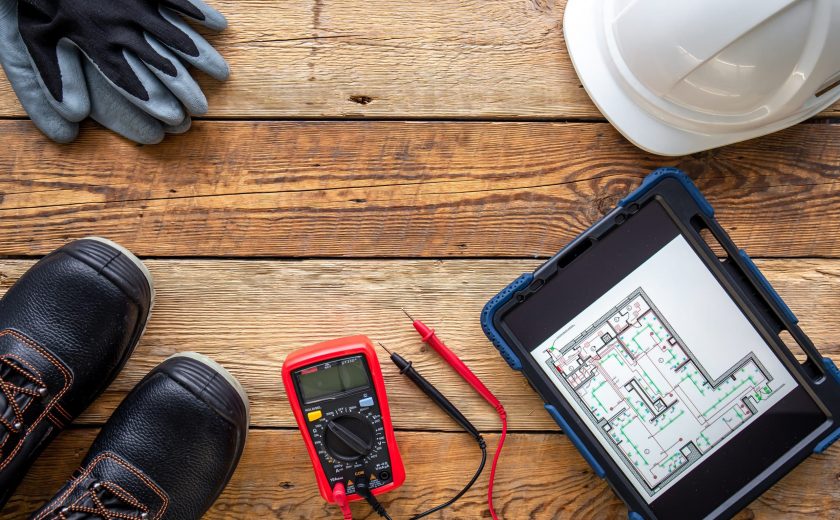
Understanding Electrical Service Maintenance
What is Electrical Service Maintenance?
Electrical service maintenance refers to the systematic inspection, testing, and servicing of electrical systems in residential and commercial properties. It ensures that electrical components, such as wiring, circuit breakers, outlets, and lighting systems, operate safely and efficiently. Regular maintenance minimizes the risk of malfunctions and enhances the longevity of electrical installations. Engaging in electrical service maintenance is not just about problem-solving; it’s a proactive approach to safeguarding your property and ensuring that your electrical systems can reliably support your needs.
The Importance of Regular Maintenance
Conducting regular electrical service maintenance is crucial for multiple reasons. Firstly, it ensures safety. Faulty electrical systems pose a significant risk of electrical fires, electrocution, and other hazards. Secondly, regular maintenance promotes efficiency by reducing energy consumption, which can lead to significant cost savings over time. Furthermore, regular inspections help identify potential issues before they escalate into costly repairs or replacements. In essence, regular maintenance is a necessary investment in both safety and reliability.
Common Electrical Issues Addressed
During electrical service maintenance, a variety of common issues are typically addressed, including:
- Worn-out wiring: Over time, electrical wiring can deteriorate, leading to short circuits or even fires.
- Faulty circuit breakers: Breakers can fail to trip during overloads, resulting in dangerous conditions.
- Loose connections: Loose wiring can cause flickering lights or inefficient electrical flow.
- Overloaded circuits: Regular maintenance helps identify overused circuits that may require redistribution of electrical load.
Signs That Your Electrical System Needs Attention
Flickering Lights and Frequent Outages
Flickering lights can be a minor annoyance, but they may indicate more serious issues such as a loose connection or an overloaded circuit. Frequent outages can also signify that your electrical system is unable to handle its current load. It’s important to have these issues investigated promptly by a professional.
Unusual Sounds from Electrical Panels
If you hear buzzing, popping, or crackling sounds coming from electrical panels, it’s likely a sign of a serious problem. These sounds can indicate everything from loose connections to failing components within the panel. Ignoring these sounds can lead to major electrical failures or fire hazards.
Burning Smells or Other Odors
Any burning smells emanating from outlets, switches, or electrical panels should be taken seriously. This could indicate overheated wires, short circuits, or malfunctioning equipment. If you detect such odors, it is advised to cut power to the affected area and consult a qualified electrician immediately.
Best Practices for Electrical Service Maintenance
Routine Inspections and Testing
To ensure the safety and efficiency of your electrical system, conduct routine inspections and testing at least once a year. Inspections should cover wiring, connections, outlets, and circuit breakers. Using testing instruments can help identify issues that are not visible to the naked eye, such as voltage irregularities or grounding faults.
Professional vs. DIY Maintenance
While some basic maintenance tasks can be handled by homeowners, such as replacing light bulbs or resetting tripped breakers, the majority of electrical maintenance should be performed by professionals. Trained electricians possess the knowledge and tools to identify and rectify issues safely. Attempting complex tasks can result in serious injury or damage.
Recommended Maintenance Schedules
To maximize the effectiveness of electrical service maintenance, adhere to the following recommended maintenance schedules:
- Yearly Inspections: Essential for identifying underlying issues before they turn into serious problems.
- Quarterly Testing of Safety Devices: Test smoke detectors, GFCI outlets, and circuit breakers to ensure they function properly.
- Every Five Years: Consider a comprehensive electrical audit to assess the overall condition and performance of your system.
Tools and Equipment for Effective Maintenance
Essential Tools for Homeowners
Homeowners looking to perform minor electrical maintenance tasks should invest in some essential tools, including:
- Multimeter: Essential for testing voltage and continuity in circuits.
- Screwdrivers: Insulated screwdrivers are crucial for safely opening electrical enclosures.
- Wire Strippers: For properly handling and connecting wires without damaging them.
Upgrading Your Electrical Equipment
As technology evolves, upgrading your electrical equipment can enhance power efficiency and safety. Consider upgrading to energy-efficient appliances, smart home systems, and modern circuit breakers that offer better protection against surges and overloads. These upgrades will not only improve performance but can also lead to significant energy savings over time.
Safety Gear and Precautions
When performing any electrical maintenance, safety should always be a priority. Always wear appropriate safety gear, such as gloves, goggles, and non-conductive footwear. It’s also critical to switch off power at the breaker panel and use insulated tools. Familiarize yourself with safety procedures to mitigate the risks of electrical hazards.
FAQs About Electrical Service Maintenance
How often should I schedule electrical service maintenance?
It's recommended to schedule electrical service maintenance at least once a year. This allows for the timely identification of potential issues and ensures your system operates safely and efficiently.
Can I perform electrical maintenance myself?
While homeowners can handle basic tasks, complex electrical work should be left to professionals. Hiring a qualified electrician ensures safety and compliance with regulations.
What are the dangers of neglecting maintenance?
Neglecting electrical service maintenance can lead to serious risks, including electrical fires, equipment failure, and increased energy bills due to inefficiency.
How do I find a qualified electrician?
To find a qualified electrician, seek recommendations from friends, check online reviews, and verify the electrician’s licenses and certifications before hiring.
What should I expect during a maintenance visit?
During a maintenance visit, a qualified electrician will inspect wiring, check outlets, test circuit breakers, and assess overall system safety, providing you with a report on any identified issues and recommendations.