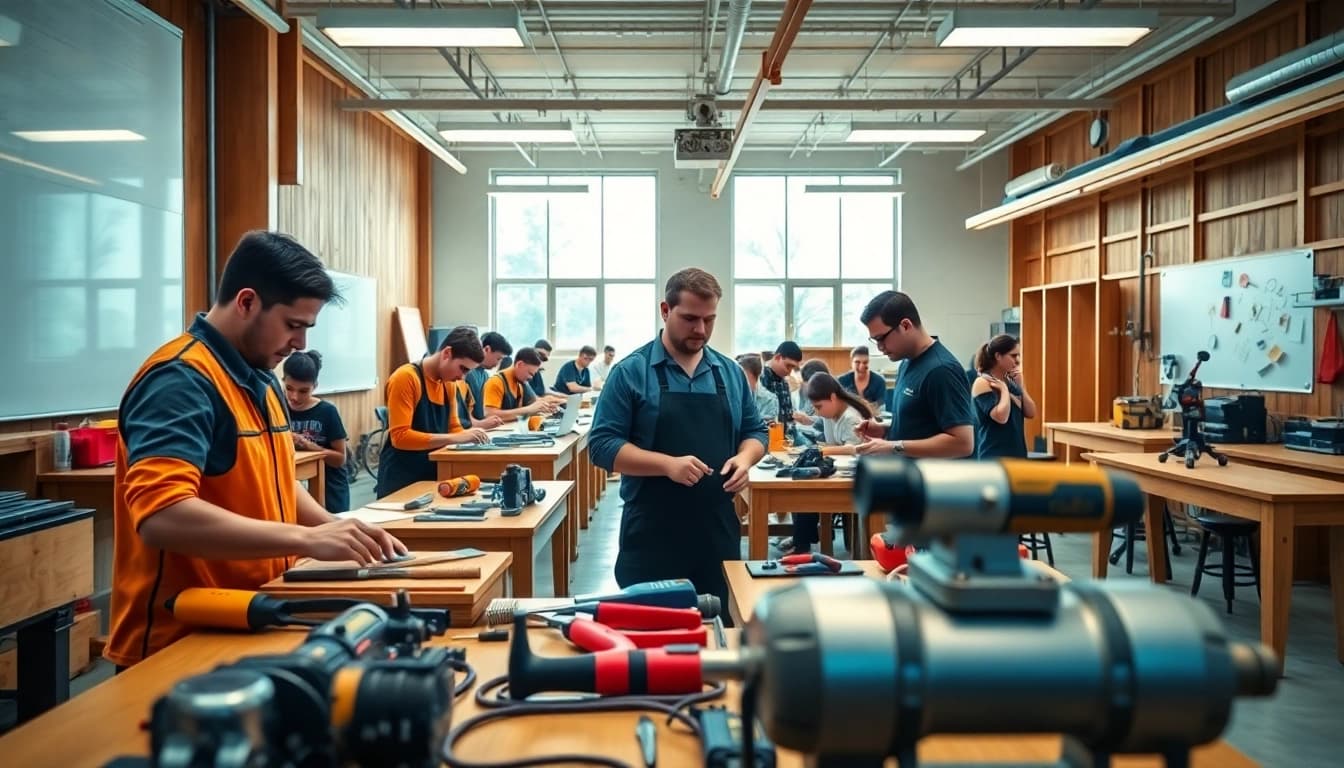
Understanding Skilled Trades Training
In today's fast-paced economy, the demand for skilled labor has reached unprecedented levels. A significant shortage of skilled tradespeople has left many industries struggling to find qualified workers. Therefore, skilled trades training has become an essential pathway to rewarding careers. This article will explore the nuances of skilled trades training, its myriad benefits, and its importance in bridging workforce gaps.
What is Skilled Trades Training?
Skilled trades training refers to educational programs designed to provide practical, hands-on skills necessary for various trades such as plumbing, electrical work, welding, carpentry, HVAC (heating, ventilation, and air conditioning), and more. These training programs focus not just on theoretical knowledge but also emphasize practical application, equipping students with real-world skills they can use in their careers. Often delivered in vocational schools, community colleges, or through apprenticeship programs, skilled trades training combines classroom instruction with supervised, on-the-job training, leading to industry-recognized qualifications.
Benefits of Skilled Trades Training
The advantages of skilled trades training are manifold:
- High Demand: Skilled trades are in high demand across various industries, ensuring job security for graduates.
- Competitive Salaries: Tradespeople often earn competitive wages, which can surpass those of many four-year college graduates.
- Opportunities for Advancement: Many skilled trades offer pathways for advancement into supervisory or management roles.
- Independence: Skilled trades can provide opportunities to work independently or start your own business.
- Job Satisfaction: Many individuals find working with their hands and seeing tangible results incredibly rewarding.
Common Career Paths in Skilled Trades
Graduates of skilled trades training can pursue a multitude of career paths. Some of the most common include:
- Electricians: Specializing in electrical systems in residential, commercial, and industrial settings.
- Plumbers: Installing and repairing plumbing systems and fixtures.
- HVAC Technicians: Focusing on heating, cooling, and ventilation systems to maintain comfortable indoor environments.
- Carpenters: Skilled in constructing, installing, and repairing structures made of wood and other materials.
- Welders: Joining metal parts through the application of heat, crucial across many industries including manufacturing and construction.
Key Components of Effective Training Programs
To ensure that the next generation of skilled laborers is adequately prepared for the workforce, effective training programs must incorporate several key components.
Curriculum Overview for Skilled Trades Training
A well-rounded curriculum in skilled trades training typically includes both classroom instruction and practical applications. Core components often include:
- Theoretical Knowledge: Understanding the principles and theories behind the trade.
- Technical Skills: Developing hands-on skills necessary for the trade, including the use of tools and technology.
- Safety Protocols: Learning industry standards for safety to protect oneself and others in the workplace.
- Business Skills: Essential for those looking to operate independently or run their own business in the trade.
Hands-On Experience: Why It Matters
Hands-on experience is critical in skilled trades training as it allows students to apply what they have learned in a practical setting. Whether through labs, workshops, or apprenticeships, experience helps students learn about:
- Real-world challenges faced in their respective trades.
- The nuances of working with other professionals in the field.
- Time management and project completion within deadlines.
Such practical training not only enhances learning but also boosts confidence, preparing graduates to enter the workforce ready to succeed.
Industry Certifications and Their Importance
Certifications are crucial in the skilled trades, serving as proof of competence and knowledge in specific areas. Many trades require licenses or certifications to practice legally. Acquiring these credentials can significantly enhance employment prospects. Common certifications include:
- National Center for Construction Education and Research (NCCER): Offers accreditation for those in construction trades.
- EPA Certification: Required for HVAC technicians who handle refrigerants.
- Journeyman License: Designates an individual has completed an apprenticeship and is qualified to work independently.
Employers often seek candidates with relevant certifications as it demonstrates a commitment to the craft and adherence to industry standards.
Challenges in Skilled Trades Training
Despite the numerous benefits and the high demand for skilled tradespeople, challenges persist within the realm of skilled trades training.
Skills Gap and Workforce Shortage
One significant issue facing industries today is the skills gap, a disparity between the skills employers need and the skills potential employees possess. This skills gap is partly due to:
- Aging workforce: Many seasoned professionals are retiring, leaving shortages in various trades.
- Perception issues: Many young people see skilled trades as less desirable compared to university degrees.
- Insufficient training programs: Not enough programs exist to train prospective tradespeople to meet demand.
Addressing the skills gap requires increased awareness about opportunities in the skilled trades and investment in training programs that can elevate the workforce.
Misconceptions About Skilled Trades
Several misconceptions hamper the attractiveness of skilled trades. Common beliefs include:
- Skilled trades jobs are "less intellectual" compared to white-collar jobs.
- The earnings potential is lower than that of traditional college degree holders.
- Training is too long and expensive.
Combating these stereotypes through education and showcasing successful trade professionals is essential in attracting the next generation of tradespeople.
Funding and Resources for Training
While the necessity of skilled trades training is acknowledged, funding remains a challenge. Various options exist for financial assistance, including:
- Government grants and loans specifically for vocational training.
- Scholarships awarded by trade organizations and institutions.
- Employer-sponsored training programs that offset costs for apprentices.
Prospective trainees should actively seek out available resources to alleviate financial burdens while pursuing their trades education.
Finding the Right Training Program
Choosing the right skilled trades training program is a crucial step toward a successful career. With various options available, thorough research and evaluation are essential.
Researching Training Providers
Start by identifying training providers in your area. Factors to consider include:
- Accreditation: Ensure the program is accredited by relevant authorities.
- Reputation: Look for reviews and testimonials from former students.
- Program offerings: Ensure the courses align with your career interests.
Visiting schools and speaking with instructors can also provide insight into the quality of education offered.
Evaluating Program Quality
When evaluating the quality of training programs, consider several criteria:
- Curriculum Depth: A comprehensive curriculum that balances theory with hands-on training.
- Instructor Qualifications: Check the credentials and industry experience of instructors.
- Job Placement Rates: Look for data on graduates' employment rates within their fields.
Investing time in researching these aspects can lead to a sound decision regarding where to pursue training.
Online vs. In-Person Training Options
The rise of online educational platforms has made it possible for students to engage in trades training from home. However, for many skilled trades, especially those requiring hands-on experience, a hybrid approach may be necessary. Factors to weigh include:
- Hands-On Requirements: Many trades need direct supervision and practice under guidance.
- Flexibility: Online training can provide flexibility for those balancing jobs or family.
- Networking Opportunities: In-person training often includes opportunities for networking with industry professionals.
Making an informed choice will depend on personal circumstances and learning preferences.
Measuring Success in Skilled Trades Training
Measuring the effectiveness of skilled trades training programs is critical for continuous improvement and ensuring they meet workforce needs.
Post-Training Employment Rates
One of the most straightforward indicators of success is the employment rate of graduates. Data on how many students secure jobs in their trained field shortly after completing their program is vital for assessing program efficacy.
Graduate Feedback and Improvement
Collecting feedback from graduates about their training experiences can yield valuable insights. Survey questions might include:
- Did the training adequately prepare you for your job?
- What additional skills do you wish you had learned?
Programs can use this feedback to refine their courses and ensure they meet labor market demands.
Long-Term Career Growth Metrics
Finally, monitoring the long-term career trajectories of graduates can help assess program success. Tracking metrics such as job retention rates, average salaries, and progression into higher roles can provide a clearer picture of the program's impact over time.
Frequently Asked Questions
What is skilled trades training?Skilled trades training involves hands-on, practical education in trades like plumbing, electrical work, and carpentry, leading to industry-recognized qualifications.What are the benefits of skilled trades training?Benefits include high demand for skilled workers, competitive salaries, opportunities for advancement, and the ability to work independently or run a business.How long does skilled trades training take?Training duration varies, typically ranging from several months to a few years, depending on the specific trade and program format.Can I get skilled trades training online?Yes, many programs offer online components; however, hands-on training is crucial for many trades and often requires in-person attendance.What job opportunities are available after skilled trades training?Graduates can pursue careers as electricians, plumbers, HVAC technicians, and in many other technical professions, often with excellent job security.