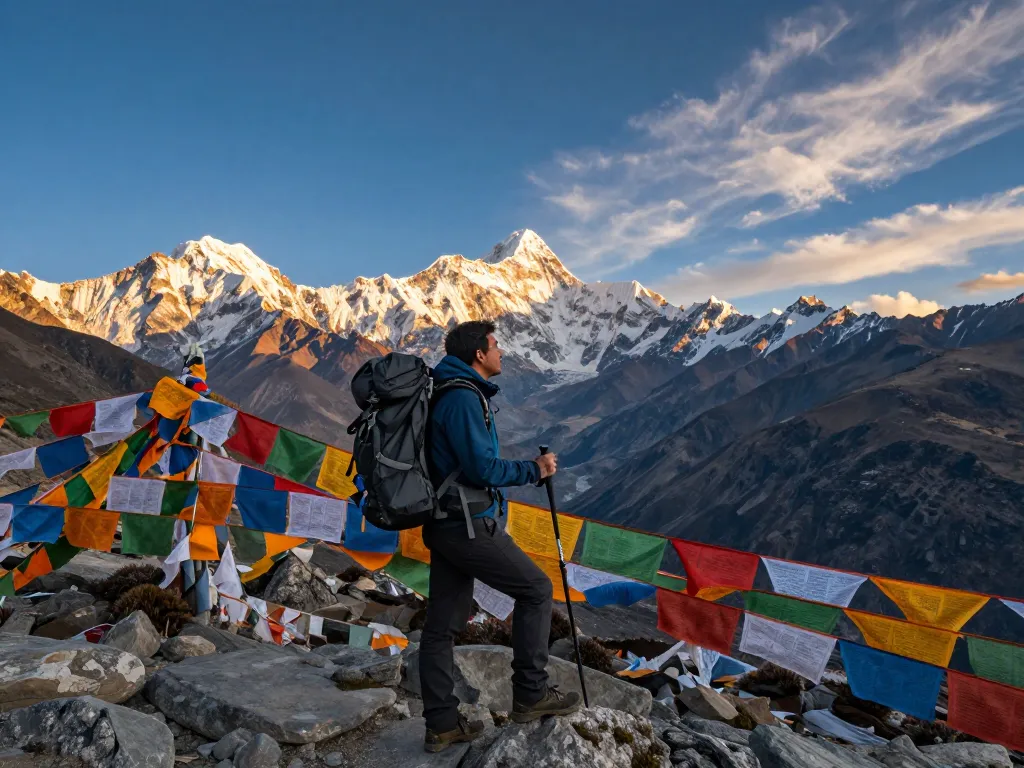
Overview of the Annapurna Circuit Trek
The Annapurna Circuit Trek is one of the most iconic trekking routes in the world, drawing adventurers from all corners of the globe to its breathtaking landscapes and rich cultural heritage. Stretching approximately 200 kilometers and set against the backdrop of the magnificent Annapurna range, this trek offers a unique opportunity to explore diverse climatic zones and ecosystems, ranging from lush subtropical forests to stark alpine tundra. In addition to the staggering natural beauty, trekkers will encounter traditional villages, terraced fields, and ancient monasteries, providing a glimpse into the vibrant local culture. For those eager to embark on this journey, annapurna circuit trek offers a multitude of insights and experiences that are truly unforgettable.
What to Expect on the Annapurna Circuit Trek?
On the Annapurna Circuit, trekkers should expect a mix of stunning landscapes, cultural experiences, and physical challenges. The trek is marked by significant altitude changes, culminating in the crossing of the Thorong La Pass at 5,416 meters, the highest point on the circuit. During the hike, you will traverse diverse ecosystems, witness dazzling views of the Annapurna massif, and visit various ethnic villages, each with its own unique traditions and customs. The local cuisine, primarily based on rice and lentils, gives visitors a taste of Nepali hospitality, while the warm tea houses provide a cozy place to rest after a long day of hiking.
Historical Significance of the Annapurna Region
The Annapurna region is steeped in history and mythology. Named after the goddess of nourishment in Hinduism, Annapurna has been revered by locals for centuries. Its peaks have challenged climbers and adventurers alike, and the region was opened to trekkers in the 1970s, becoming a popular route for those seeking to experience the grandeur of the Himalayas. The trek not only serves as a passage through stunning landscapes but also as a connection to ancient trade routes used by traders and monks.
Key Highlights of the Trek
- Thorong La Pass: The highest point of the trek, offering incredible panoramic views.
- Muktinath Temple: A sacred site for both Hindus and Buddhists, known for its holy water springs.
- Manang Village: A vibrant community that serves as a resting point and acclimatization stop.
- Beautiful Landscapes: From lush forests to barren high-altitude deserts, the varied geography is a trekker's paradise.
- Cultural Encounters: The opportunity to meet diverse ethnic groups, such as Gurung and Thakali, adds richness to the trek.
Planning Your Annapurna Circuit Trek in 2026
Preparing for the Annapurna Circuit Trek is essential for an enjoyable experience. This involves not only physical training but also logistical planning. As you gear up for your adventure, consider the following aspects to ensure a successful and memorable trek.
Essential Preparations Before You Go
Prior to embarking on your journey, it’s crucial to prepare physically, mentally, and logistically. This includes rigorous training—hiking, cardiovascular exercises, and strength training—as well as planning your itinerary, accommodations, and permits. Carrying the right gear, understanding the weather conditions, and having a basic first aid kit are also important. Furthermore, acquiring trekking permits in advance can save time and hassle upon arrival in Nepal.
Choosing the Right Time for Your Trek
The best times to trek the Annapurna Circuit are during the spring (March to May) and autumn (September to November). During these months, the weather is generally stable, with clear skies and moderate temperatures. However, if you seek solitude, winter can also be a rewarding time, although it comes with harsher conditions. Each season presents its own beauty, such as blooming rhododendrons in spring or crisp mountain air in autumn.
Permits and Regulations for Trekking
To trek the Annapurna Circuit, you will need two essential permits: the Annapurna Conservation Area Permit (ACAP) and the Trekkers’ Information Management System (TIMS) card. Both permits can be obtained in Kathmandu, or you can opt to have them arranged through a reputable trekking company to streamline the process. Always ensure that you carry these permits as you will be required to present them at various checkpoints during the trek.
Trekking Itinerary: A Detailed Day-by-Day Breakdown
Here, we outline the typical 16-day itinerary for the Annapurna Circuit Trek, providing a mix of adventure, acclimatization, and breathtaking scenery.
Day 1: Arrival in Kathmandu
Upon arrival at Tribhuvan International Airport, you will be greeted and transferred to your hotel in Kathmandu. Use this day to rest and prepare for your upcoming adventure.
Day 2: Scenic Drive to Dharapani
Your journey begins with a scenic drive from Kathmandu to Dharapani, taking approximately 10 to 12 hours. Enjoy the changing landscapes as you travel through charming villages and lush valleys.
Day 3: Trek to Chame
Starting your trek, you will make your way to Chame, the headquarters of the Manang district. Expect to trek for about 5 to 6 hours, passing through beautiful forests and alongside the Marsyangdi River.
Day 4: Trek to Upper Pisang
Today’s trek to Upper Pisang will take approximately 6 to 7 hours. The views of Annapurna II and the charming village of Pisang will reward your efforts.
Day 5: Trek to Ngawal
From Upper Pisang, you will trek to Ngawal, which is known for its traditional culture. After 4 to 5 hours of hiking, you will be welcomed by the warm hospitality of the locals.
Day 6: Trek to Manang
The trek to Manang via Bhraka will take around 3 to 4 hours. This day is significant for acclimatization and provides a chance to explore local monasteries and stunning landscapes.
Day 7: Acclimatization Day at Manang Village
Spend this crucial day in Manang to acclimatize. Explore the surrounding area, enjoy local cuisine, and relax while taking in the magnificent views of the Annapurna range.
Day 8: Trek to Yak Kharka
Your trek continues to Yak Kharka, which will take about 5 to 6 hours. The trail gradually ascends, giving you a chance to observe yaks grazing in their natural habitat.
Day 9: Trek to Thorong Phedi
At Thorong Phedi, prepare for the next day’s big ascent. This trek takes approximately 5 to 6 hours, leading you closer to the high-altitude challenge ahead.
Day 10: Crossing Thorong La Pass
Today is the highlight of your trek: crossing Thorong La Pass. An early start is essential as it will take 8 to 9 hours of hiking. Enjoy the spectacular views and the feeling of achievement at the highest point of your journey.
What to Pack for the Annapurna Circuit Trek
Packing for the Annapurna Circuit can seem daunting, but focusing on essentials can simplify the process. Proper preparation will ensure you have a comfortable and safe trekking experience.
Clothing Essentials for Varying Weather
Layering is key. Start with moisture-wicking base layers, followed by insulating mid-layers, and finish with a waterproof outer shell. Don't forget a warm hat, gloves, and sturdy trekking boots to protect against the variable mountain weather.
Gear and Equipment Recommendations
Equip yourself with trekking poles, a good quality backpack, a headlamp, and a sleeping bag rated for extreme temperatures. Optional items like a camera for the spectacular views can also enhance your journey.
First Aid and Health Supplies
Bringing a basic first-aid kit is essential. Include items like plasters, antiseptics, altitude sickness medication, and any personal medications you might need during the trek.
Frequently Asked Questions about the Annapurna Circuit Trek
Many potential trekkers have similar concerns regarding the Annapurna Circuit. Addressing common questions is crucial for planning.
How difficult is the Annapurna Circuit Trek?
The Annapurna Circuit is considered moderately challenging. It requires a good level of fitness, as daily hikes can last 5 to 8 hours with significant elevation gain.
What are the best months to trek the circuit?
The prime trekking months are from March to May and September to November for the best weather and visibility.
Is hiring a guide necessary for the trek?
While not mandatory, hiring a guide is highly recommended for navigating the trails, understanding local culture, and ensuring safety.
Can beginners attempt the Annapurna Circuit?
Yes, with proper preparation and training, beginners can manage the trek, although prior hiking experience may be beneficial.
What are the accommodation options along the trek?
Accommodation ranges from local tea houses to guesthouses, offering a mix of basic amenities to more comfortable options in lower elevations.