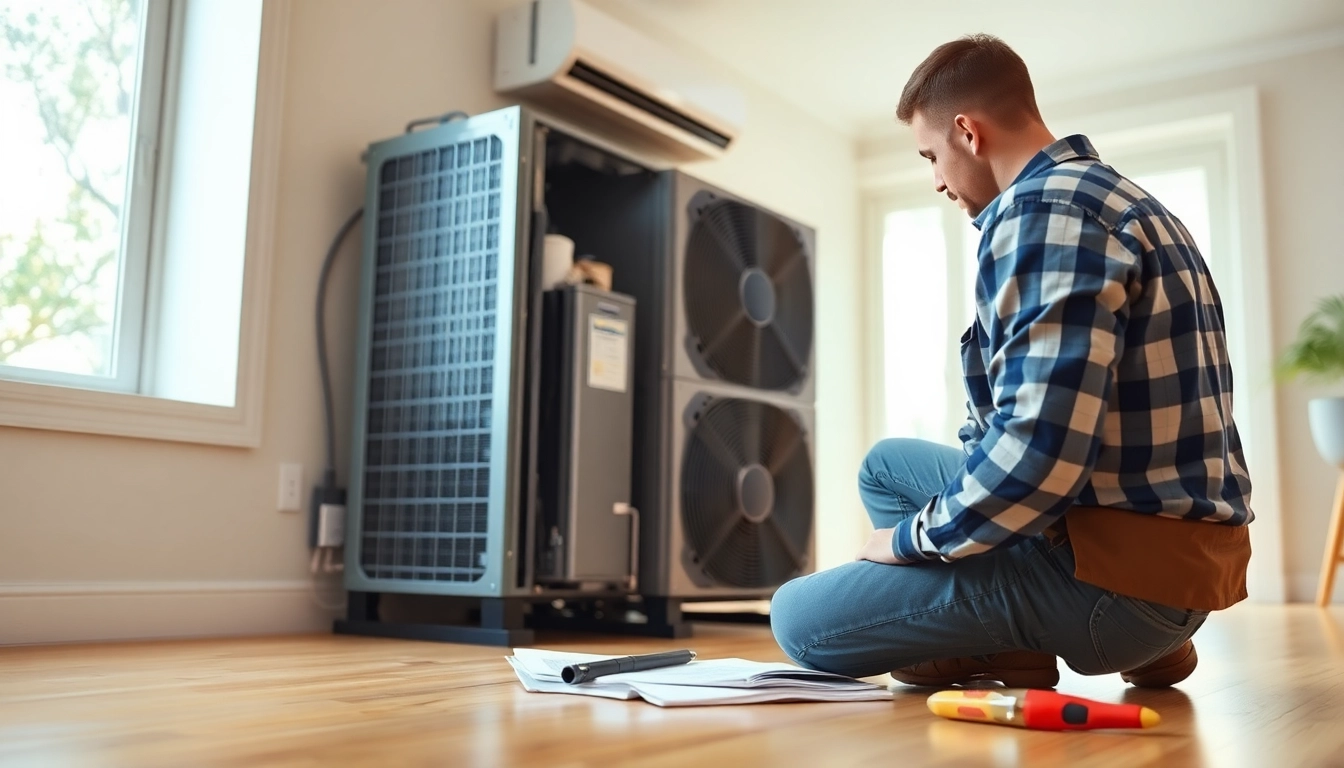
Understanding Residential Heating and Cooling Systems
In today's energy-conscious world, selecting the right residential heating and cooling system is vital for maintaining comfort in our homes. Heating and cooling systems not only regulate temperature but also contribute significantly to energy efficiency and overall household utility costs. Understanding these systems is key for homeowners looking to make informed decisions and optimize their indoor environments.
What Are Residential Heating and Cooling Systems?
Residential heating and cooling systems are designed to maintain comfortable temperatures in homes throughout the year. These systems can either heat or cool air, ensuring that indoor environments remain pleasant regardless of the outside weather conditions. Typically, these systems consist of a combination of components that work in unison to provide climate control.
Key Components Explained
Every residential heating and cooling system comprises several crucial components:
- Furnace or Heat Pump: The furnace generates heat, typically using gas or electricity. Heat pumps, on the other hand, can both heat and cool by transferring heat rather than generating it.
- Air Conditioner: For cooling, air conditioners remove heat from the indoor air and transfer it outdoors. This process can involve either split systems or packaged units.
- Ductwork: Ducts transport heated or cooled air throughout the home, ensuring all rooms receive adequate temperature regulation.
- Thermostat: The thermostat controls the temperature by signaling the heating or cooling unit to turn on or off as needed.
- Filters: Air filters improve indoor air quality by capturing dust, debris, and allergens before they enter the living spaces.
How They Work Together
In a residential setting, heating and cooling components function collaboratively. For example, the thermostat detects room temperature and, based on the homeowner's preference, activates the furnace or air conditioning unit. The furnace or unit draws air through the filters and either heats or cools it before distributing it through the ductwork. This cyclical process continues until the desired indoor climate is achieved, promoting energy efficiency and comfort.
Importance of Regular Maintenance
To ensure optimal performance and longevity, regular maintenance of heating and cooling systems cannot be overstated. Regular servicing helps to catch minor issues before they become significant problems, saving homeowners time and money in the long run.
Why Maintenance Matters
Regular maintenance of residential heating and cooling systems is crucial for multiple reasons:
- Efficiency: Well-maintained units operate more efficiently, consuming less energy and thereby lowering utility bills.
- Longevity: Systems that receive routine inspections and servicing tend to last longer, delaying costly replacements.
- Safety: Regular check-ups identify potential safety hazards such as gas leaks or electrical issues, protecting families against unforeseen dangers.
Signs Your System Needs Attention
Homeowners should remain vigilant for signs that their heating and cooling systems require maintenance:
- Unusual noises, such as banging or hissing, coming from the units.
- Temperature fluctuations within the home.
- Increased energy bills without a corresponding change in usage.
- Inconsistent airflow from vents.
Maintenance Best Practices
To keep residential heating and cooling systems in peak condition, consider adopting these best practices:
- Schedule annual professional inspections.
- Change air filters regularly, ideally every one to three months.
- Keep outdoor units free from debris and vegetation that may obstruct airflow.
- Test the thermostat to ensure accurate temperature readings and responses.
Choosing the Right System for Your Home
With a variety of heating and cooling options available, selecting the right system for your home is key to achieving optimal comfort and efficiency. Several factors come into play when deciding which system best meets your needs.
Factors to Consider
When choosing a residential heating and cooling system, homeowners should consider:
- Home Size: The size of your home dictates the capacity needed for your system for effective temperature control.
- Climate: Different systems perform better in varying climates; for instance, heat pumps are more suitable for moderate temperatures.
- Fuel Type: Consider the availability and cost of fuel options like gas, electricity, or oil in your area.
- Budget: Evaluate both upfront costs and long-term efficiency to determine your investment level.
Energy Efficiency Ratings
Energy efficiency ratings are crucial metrics that help homeowners understand the operational costs of heating and cooling systems. Look for:
- SEER (Seasonal Energy Efficiency Ratio): Measures air conditioning efficiency; higher ratings indicate greater efficiency.
- EER (Energy Efficiency Ratio): Indicates the efficiency of cooling equipment.
- AFUE (Annual Fuel Utilization Efficiency): A measure of a furnace's efficiency, expressed as a percentage of heat produced from fuel consumed.
Types of Systems Available
Several types of heating and cooling systems are available, each with its advantages:
- Central Heating and Cooling Systems: Effective for larger homes; these systems usually feature a central unit and ductwork.
- Heat Pumps: Versatile units that provide both heating and cooling and are increasingly popular for their efficiency.
- Radiant Heating: This system heats home surfaces via radiators or underfloor heating, providing consistent warmth.
- Ductless Mini-Split Systems: Ideal for smaller spaces or specific areas; no ductwork is needed, making installation easier.
Benefits of Professional Installation
Choosing professional installation of your residential heating and cooling system brings numerous advantages that can enhance efficiency and safety.
Why Go Professional?
Professional installation offers expertise and ensures that systems are correctly set up and calibrated. Trained technicians understand the complexities involved and can avoid common installation pitfalls, leading to better performance and reliability.
Potential Risks of DIY
While DIY projects can be exciting, the potential risks associated with self-installation of heating and cooling systems include:
- Improper system sizing, leading to inefficiency.
- Lack of knowledge regarding local building codes and regulations, which could result in legal issues.
- Increased risk of accidents, especially when dealing with electrical components or gas connections.
Cost vs. Value of Professional Services
Though hiring professionals incurs initial costs, the long-term savings often outweigh these expenses. A professionally installed unit typically yields greater energy efficiency, reducing monthly utility bills, and enhancing home comfort levels.
Frequently Asked Questions
How often should I have my HVAC system serviced?
It’s recommended to service your residential heating and cooling system at least once a year to ensure efficient operation.
What are the indicators of a failing HVAC system?
Signs include unusual noises, inefficiency in heating or cooling, and unexpected increases in energy bills.
Can I reduce energy costs with my HVAC system?
Yes, regularly maintaining your system and optimizing settings can lead to significant energy savings.
Is it necessary to replace my HVAC system after a certain age?
While many systems last around 10-15 years, efficiency decreases over time, so replacement may be beneficial for older units.
What should I look for in a new HVAC system?
Look for energy efficiency ratings, reliability, warranty options, and suitable size for your home when selecting a new system.