Understanding Steel Structure Design
Steel structure design is a critical aspect of modern engineering, serving as the backbone of numerous constructions, from towering skyscrapers to expansive bridges. This practice not only focuses on the physical composition and material properties of steel but also integrates sophisticated mathematical modeling and compliance with stringent building codes. The role of steel structure design is paramount in ensuring the safety and functionality of infrastructures.
What is Steel Structure Design?
Steel structure design refers to the process of creating frameworks and components primarily made from steel, encompassing various engineering principles. This design methodology is essential for delivering strength, durability, and adaptability in buildings and other structures. The design not only considers aesthetics but also emphasizes structural integrity, enabling buildings to withstand environmental stressors like wind, snow, and seismic activities.
Key Components of Steel Structures
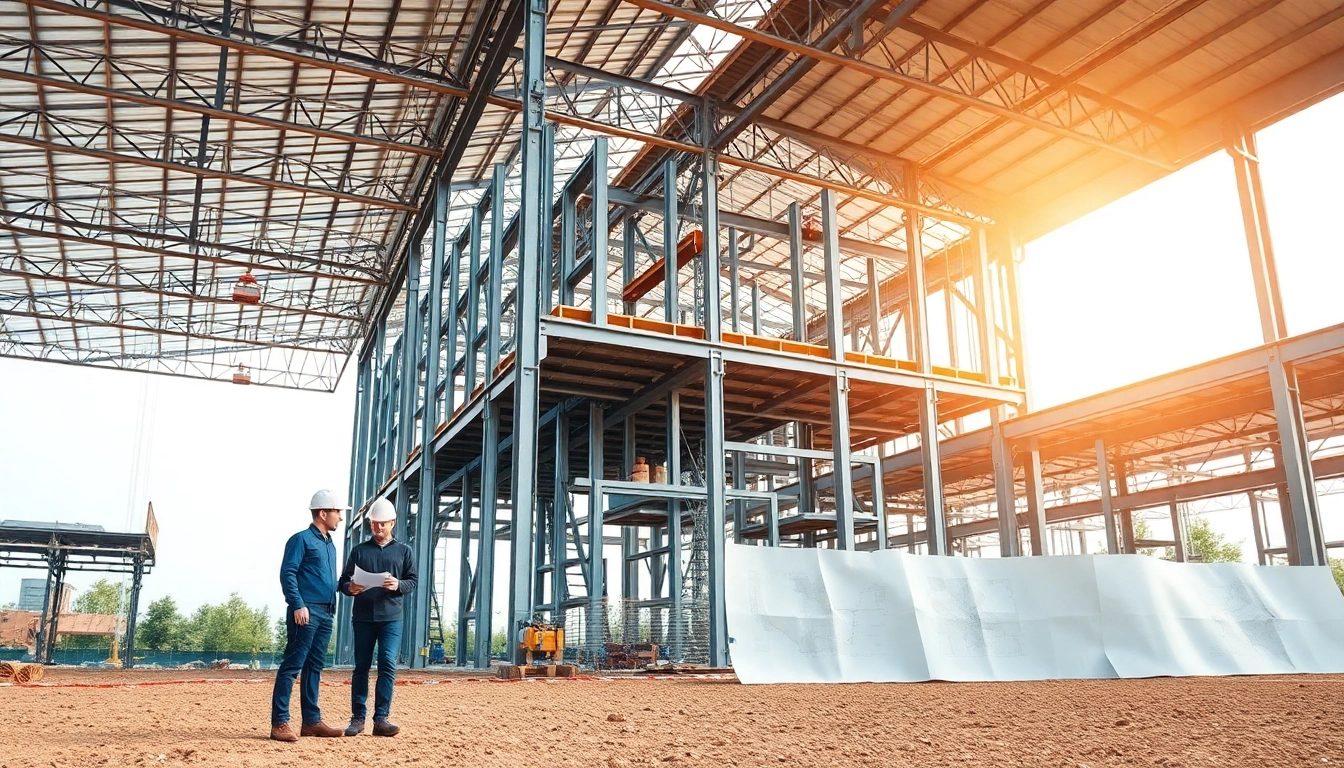
The main components of steel structures include beams, columns, connections, and braces. Each plays a pivotal role in maintaining the overall stability and load-bearing capacity of the structure:
- Beams: Horizontal members that support the loads from floors and roofs.
- Columns: Vertical elements that transfer loads down to the foundation.
- Connections: Critical joints where beams and columns meet, affecting the distribution of stresses.
- Braces: Structural elements that provide lateral support to resist buckling.
These components work harmoniously to create a robust framework capable of supporting a wide range of loads and maintaining structural stability.
The Importance of Structural Analysis
Structural analysis forms the backbone of the design process, enabling engineers to predict security and performance under various conditions. This analytical phase assesses how loads are distributed throughout the structure and identifies potential weaknesses. Effective structural analysis utilizes methods such as:
- Finite Element Analysis (FEA): A computational technique that divides a large structure into smaller, manageable components for complex calculations.
- Load Path Analysis: A method that visualizes the flow of forces through a structure to pinpoint critical pathways.
- Dynamic Analysis: Assessment of how structures respond to dynamic forces, including earthquakes and wind loads.
This crucial phase ensures that designs are not only viable but also resilient, adhering to safety codes and performance expectations.
Design Methods for Steel Structures
Traditional vs. Modern Design Approaches
Traditionally, steel structure design relied heavily on empirical methodologies, drawing from historical data and established practices. Modern design approaches, however, leverage advanced technologies and methodologies, leading to more optimized and efficient outcomes. Key differences include:
- Use of Software: Modern designs incorporate advanced software tools for simulation and modeling, drastically reducing time and increasing accuracy.
- Design Revisions: Contemporary approaches allow for more flexible and efficient revisions as design outcomes are analyzed in real-time via digital tools.
- Integration of Sustainability: Up-to-date design methodologies often emphasize eco-friendliness, focusing on materials and methods that reduce environmental impact.
Design Codes and Standards
Adhering to design codes and standards is non-negotiable in steel structure design. These guidelines are set forth by organizations such as the American Institute of Steel Construction (AISC) and the American Society of Civil Engineers (ASCE). Incorporating these standards ensures:
- Safety: Structures adhere to minimum safety requirements, reducing the risk of collapse and injury.
- Quality: Consistency in quality across different projects, fostering trust and reliability in engineering practices.
- Legal Compliance: Ensures that all designs meet local, national, and international codes, thereby avoiding legal liabilities.
Knowledge of these regulations helps engineers create designs that are safe, efficient, and compliant with standards.
Implementing Load Calculations
Load calculations are fundamental in steel structure design, affecting the choice and sizing of structural elements. This involves determining various loads such as:
- Dead Loads: Permanent static forces acting on a structure, including the weight of the building materials.
- Live Loads: Variable loads due to occupancy, furniture, and equipment that can change over time.
- Environmental Loads: Forces acting on a structure from wind, snow, and seismic activity that can impact stability.
Accurate load analysis and calculations ensure that the design can handle expected stressors throughout its lifespan.
Best Practices in Steel Structure Design
Material Selection Criteria
Choosing the right materials is crucial to the success and longevity of any steel structure design. Important criteria for material selection include:
- Strength: Materials must have appropriate yield and tensile strengths to support structural loads.
- Durability: Resistance to corrosion, fatigue, and other environmental effects is vital.
- Cost-effectiveness: Evaluate budget constraints without compromising quality; this includes considering life-cycle costs.
- Sustainability: Consideration of environmentally friendly materials and methods to minimize carbon footprints.
Connection Design Techniques
Connections are vital to the stability and integrity of steel structures. Effective connection design entails a few essential techniques:
- Welded Connections: Suitable for structures requiring high rigidity and load transfer.
- Bolted Connections: Commonly used for their ease of assembly, disassembly, and flexibility in design.
- Hybrid Connections: Combinations of welded and bolted methods that harness the benefits of both.
Proper connection design ensures efficient load transfer and optimal structural performance.
Safety Considerations and Compliance
Safety is paramount in steel structure design. Best practices involve:
- Regular Inspections: Conducting routine safety assessments throughout the construction phase and after completion.
- Risk Assessments: Implementing strategies to identify and mitigate potential hazards during construction and occupancy.
- Emergency Protocols: Creating plans for emergencies, including evacuations and structural failures.
Compliance with safety standards not only protects human life but also safeguards investments in construction projects.
Case Studies in Effective Steel Structure Design
Successful Projects Overview
Examining successful steel structure designs provides valuable insights into best practices and innovative solutions. For instance:
- The Burj Khalifa in Dubai exemplifies efficient load distribution and innovative steel usage.
- The Golden Gate Bridge in San Francisco showcases advanced engineering capabilities in connection design and materials adaptation.
Design Challenges and Solutions
Every project comes with challenges. Addressing these effectively is key to success. Common challenges include:
- Environmental regulations that limit material use.
- Logistical issues concerning the sourcing and transportation of materials.
Solutions may involve leveraging local materials or employing modular construction techniques to overcome transportation hurdles.
Lessons Learned from Real-World Applications
Analyzing real-world applications reveals important lessons, such as the need for comprehensive planning and the advantage of using technology for simulations and adjustments during the design process. Emphasizing collaboration among architects, engineers, and stakeholders is crucial to achieving effective outcomes.
Future Trends in Steel Structure Design
Emerging Technologies in Steel Design
Technological advancements are continually shaping steel structure design. Key trends include:
- Building Information Modeling (BIM): Integrates spatial data and material specifications into a single platform for visualization and coordination.
- 3D Printing: Allows for rapid prototyping of structural components, facilitating cost-effective design iterations.
Sustainable Practices in Steel Construction
As sustainability becomes more critical, steel structure design increasingly focuses on eco-friendly practices. This involves:
- Designing for recyclability at the end of a structure's life cycle.
- Utilizing low-carbon and high-recycled-content steel to enhance overall sustainability.
The Role of Software in Modern Design
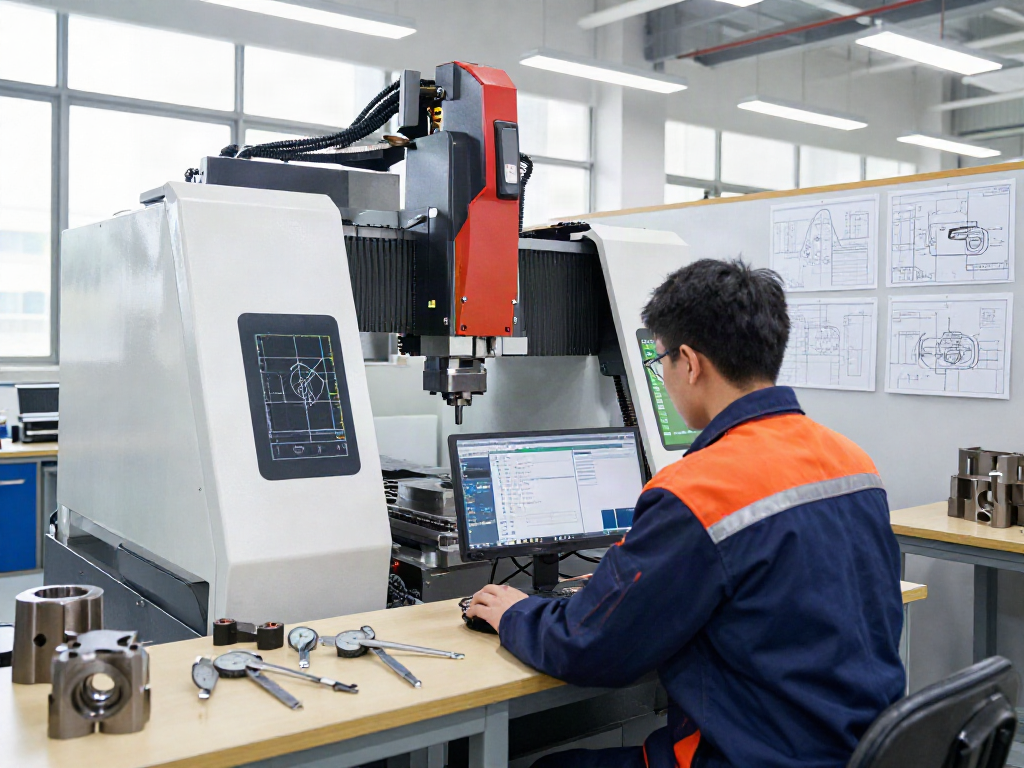
Software plays a transformative role in the design and analysis of steel structures. Tools like SAP2000 and Tekla significantly improve visualization, accuracy, and efficiency, allowing engineers to deal with complex load combinations and optimize designs for performance and cost.
FAQs
1. What materials are used in steel structure design?
Steel structure design primarily uses various grades of steel, including carbon steel and structural steel alloys, chosen for strength and durability.
2. How do engineers ensure the safety of steel structures?
Engineers conduct thorough load calculations, apply design codes, and perform rigorous inspections throughout the construction process to ensure safety.
3. What are the main loads considered in steel structure design?
Main loads include dead loads (permanent), live loads (temporary), and environmental loads such as wind and seismic forces that influence design.
4. How does sustainability impact steel structure design?
Sustainability encourages the use of eco-friendly materials, efficient energy practices, and designs that facilitate recycling, minimizing environmental impact.
5. What is the role of computational tools in steel design?
Computational tools facilitate accurate modeling, simulations, and assessments of structural behavior under various conditions, enhancing design efficiency and precision.