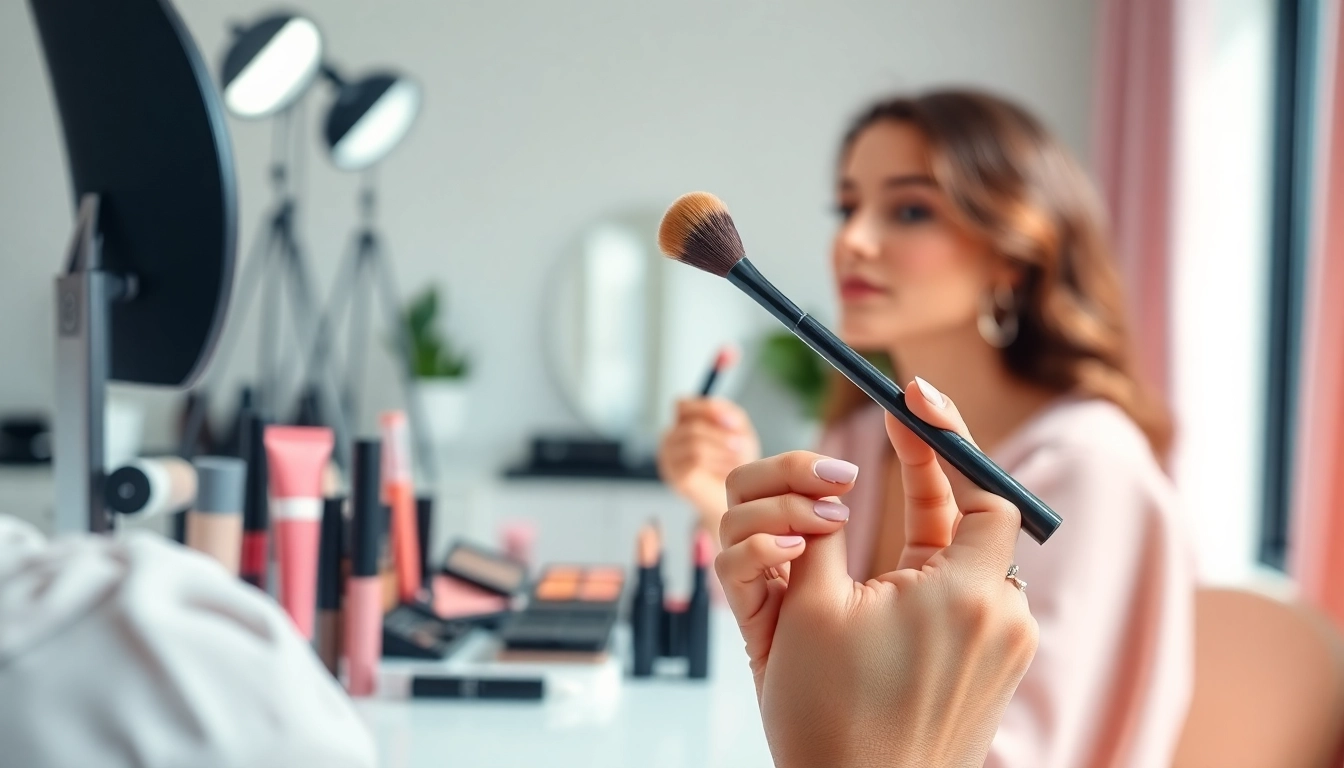
Understanding the Importance of a Lip Blending Brush
What is a Lip Blending Brush?
A lip blending brush is a specialized makeup tool designed to apply and blend lip products, including lipstick and lip gloss. Characterized by its soft bristles and tapered shape, this brush allows for precise application and seamless blending of colors, ensuring the lips appear smooth and flawless.
Benefits of Using a Lip Blending Brush
The use of a lip blending brush offers several advantages:
- Precision: The pointed tip of the brush allows for targeted application, especially in the corners of the mouth.
- Even Color Distribution: Blending brushes help in distributing the product evenly, reducing patchiness.
- Enhanced Texture: They help create a smooth finish, making lips look polished and more defined.
- Versatility: Ideal for ombre looks or layering multiple shades for a unique lip color.
Types of Lip Blending Brushes Available
When searching for lip blending brushes, you'll encounter various types, each tailored for specific effects:
- Flat Brush: Best for applying bold or liquid lipsticks with high pigmentation.
- Fluffy Brush: Ideal for blending multiple colors or softer textures.
- Angled Brush: Excellent for creating a defined edge and contouring the lips.
- Retractable Brush: Portable option for on-the-go application, often featuring a cap for hygiene.
Choosing the Right Lip Blending Brush for You
Factors to Consider When Selecting
Choosing the appropriate lip blending brush involves considering factors such as:
- Brusher Type: Depending on your application style, pick a brush type that complements your technique.
- Size: Smaller brushes allow for detailed work, while larger ones are better for broader application.
- Handle Length: Longer handles offer more control, while shorter ones can feel more precise.
Comparing Synthetic vs. Natural Bristles
Brush bristles can be categorized into two main types:
- Synthetic Bristles: Often made from nylon or polyester, they're great for cream-based products and easier to clean.
- Natural Bristles: Typically made from animal hair, they offer a more luxurious feel and are better suited for powder products, but require more maintenance.
Understanding the different properties can significantly affect your final application results and overall experience.
Popular Brands & Features to Look For
While brand preference can be subjective, look for brushes that feature:
- Quality Materials: Brushes made with durable bristles and ergonomic handles.
- Easy Cleaning: Features that facilitate maintenance, such as washable bristles and quick-drying capabilities.
- Customer Reviews: Feedback from users can provide insights into the brush's performance and durability.
Techniques for Effective Lip Blending
Step-by-Step Guide to Blending Lip Color
To master the art of lip blending, follow these steps:
- Prepare Your Lips: Exfoliate and hydrate your lips for a smoother surface.
- Outline Your Lips: Using a lip liner, define the shape of your lips for better precision.
- Apply Lip Color: Using your chosen lip product, apply it initially with the lip blending brush to the center of your lips.
- Blend Outwards: With the brush, blend the color outward towards the lip line, ensuring an even distribution.
- Layer if Necessary: Add additional layers for deeper color intensity, blending thoroughly with each application.
Common Mistakes to Avoid
When blending lip color, be mindful of these common pitfalls:
- Skipping Lip Prep: Neglecting to prep can lead to uneven application and an unflattering finish.
- Using Too Much Product: Excess product can lead to streaking. Start with a small amount and build as needed.
- Rushing the Process: Take your time blending for a flawless look, as haste can result in harsh lines.
Advanced Techniques for Professionals
Once comfortable with basic blending, consider these advanced methods:
- Ombre Effect: Use two or more lip colors, applying a darker shade towards the center and blending out with lighter shades.
- Color Mixing: Create custom shades by layering different lip products for a unique color outcome.
- Layering Textures: Mix matte and glossy textures for depth, ensuring you blend well between the two.
Maintaining Your Lip Blending Brush
Cleaning Tips and Best Practices
To extend the life of your lip blending brush, implement regular cleaning routines:
- Frequency: Clean your brush after each use to prevent product buildup.
- Cleaning Solution: Use a gentle soap or brush cleaner, and avoid alcohol-based products that can damage bristles.
- Drying: Shape the bristles back to their original form and lay flat to dry, ensuring no water seeps into the ferrule.
When to Replace Your Lip Blending Brush
Key indicators that your lip blending brush needs replacing include:
- Worn Bristles: If the bristles appear frayed or lose their elasticity, it's time for a new one.
- Bristle Shedding: Regular shedding indicates that the brush may break down.
- Accumulation of Products: If cleaning isn't effective, the brush may have built up products too deeply in the bristles.
Storing Your Brush for Longevity
Proper storage is crucial for maintaining your lip blending brush:
- Brush Holder: Use a dedicated brush holder to keep bristles protected and upright.
- Avoid Heat: Keep brushes away from heat sources that can warp the bristles.
- Separate Storage: Store lip brushes separately from other makeup tools to prevent damage.
FAQs on Lip Blending Brush Usage
What type of lipstick works best with a lip blending brush?
Most lipsticks work well, but creamy formulas blend more seamlessly compared to matte textures.
Can a lip blending brush be used for other cosmetics?
Yes, it’s versatile and can be used for applying cream blush or eyeshadow for more detailed work.
How do I properly clean my lip blending brush?
Use warm water and gentle soap. Rinse thoroughly and reshape the bristles before drying flat.
Is it necessary to use a lip blending brush?
While not essential, it significantly enhances application and blending for a polished look.
How often should I replace my lip blending brush?
It's advised to replace your lip blending brush every 6-12 months, depending on usage and maintenance.