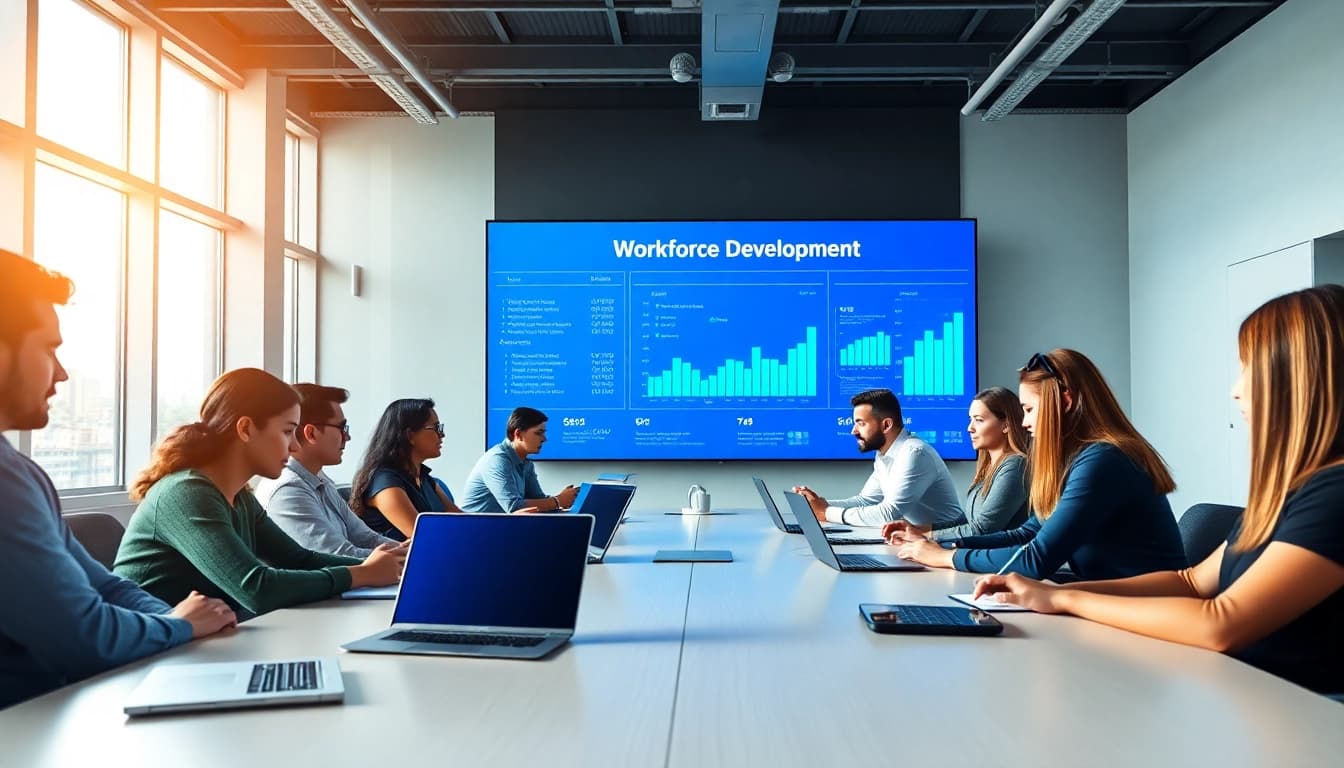
Understanding the Importance of Workforce Development
Defining Workforce Development
Workforce development is a systematic approach aimed at improving the skills, knowledge, and competencies of employees to meet organizational goals as well as the broader requirements of the labor market. It encompasses a variety of initiatives, including training programs, educational partnerships, and career development services. The process is not only about cultivating existing talents but also about preparing prospective employees for future roles. Effective workforce development creates a more capable workforce, adapts to changing industry demands, and enhances overall productivity.
Key Benefits for Organizations
Investing in workforce development offers several advantages for organizations:
- Increased Productivity: Employees who receive training and development are often more efficient and effective in their roles, leading to higher productivity levels.
- Enhanced Employee Retention: Workers tend to stay longer with companies that invest in their growth and development, thus reducing turnover costs.
- Improved Morale: A workforce that sees investment in their skills feels valued, resulting in higher morale and job satisfaction.
- Competitive Advantage: Companies with a skilled and capable workforce are better positioned to innovate and outperform their competitors.
Impact on Employability Skills
Workforce development directly impacts employability skills, equipping individuals with the necessary tools to thrive in the job market. Core skills such as communication, problem-solving, critical thinking, and teamwork are essential in today’s work environment. Organizations that focus on these skills not only boost their employees' confidence but also contribute to a more adaptable and resilient labor market.
Current Trends in Workforce Development
Emerging Technologies
The rise of digital technology is reshaping workforce development. Organizations are now leveraging resources such as artificial intelligence, machine learning, and virtual reality to create more interactive and effective training programs. For instance, virtual reality simulations can provide hands-on experiences that prepare employees for real-world challenges, which traditional methods often lack. As technology continues to evolve, so do the strategies organizations use to train and develop their workforce.
Remote Learning and Development
The COVID-19 pandemic has accelerated the shift to remote work, making online learning and development essential. Organizations are increasingly adopting e-learning platforms that offer flexible training opportunities, allowing employees to upgrade their skills from anywhere. This shift not only meets employees' needs for flexibility but also expands access to training resources that may have been previously out of reach.
Diversity and Inclusion Initiatives
Workforce development programs now place a significant emphasis on diversity and inclusion. Organizations recognize that a diverse workforce fosters creativity and innovation, making it vital to create inclusive training programs. Implementing strategies that encourage participation from underrepresented groups helps to build a more equitable workplace and cultivates a range of perspectives that can drive success.
Implementing a Successful Workforce Development Program
Needs Assessment Strategies
Conducting a thorough needs assessment is crucial for any workforce development initiative. This involves identifying skill gaps within the organization and consulting employees about the competencies they believe would benefit their work. Surveys, interviews, and performance evaluations are effective tools to assess current abilities against future needs, ensuring that training is both relevant and effective.
Creating Tailored Training Plans
Once needs are assessed, the next step is creating tailored training plans that align with organizational goals and employee aspirations. This may include personalized learning paths that accommodate different learning styles and career objectives. Incorporating a variety of learning methods—such as workshops, mentorship programs, and online courses—can enhance engagement and retention of knowledge.
Engaging Stakeholders Effectively
Successful workforce development relies heavily on collaboration among stakeholders, including management, HR teams, employees, and educational institutions. Regular communication, feedback loops, and involving stakeholders in the design and implementation of training programs can contribute to a culture of continuous improvement. By fostering partnerships with educational institutions, organizations can also align training with industry standards and emerging trends.
Measuring the Success of Workforce Development Initiatives
Key Performance Indicators
Measuring the success of workforce development initiatives requires clearly defined Key Performance Indicators (KPIs). Common KPIs may include employee satisfaction rates, retention rates, productivity levels, and the number of promotions resulting from training. Regularly evaluating these metrics helps organizations identify strengths and areas for improvement, ensuring that programs remain relevant and effective.
Continuous Improvement Processes
A robust workforce development strategy incorporates continuous improvement processes. Organizations should regularly gather data on training outcomes and adjust programs based on feedback and performance metrics. This iterative approach allows companies to stay ahead of industry trends and adapt their training to meet evolving employee and market needs.
Gathering Participant Feedback
Feedback from participants is invaluable in assessing the effectiveness of workforce development programs. Organizations can implement surveys and focus groups to gather insights about the training experience and outcomes. This feedback should be analyzed and used to refine training programs, ensuring they are engaging and beneficial for employees.
FAQs About Workforce Development
What is workforce development?
Workforce development is a systematic approach aimed at improving employees' skills and competencies to meet organizational and labor market needs.
Why is workforce development important?
It enhances productivity, employee retention, morale, and provides a competitive advantage in the marketplace by ensuring a skilled workforce.
How can technology aid workforce development?
Technological advancements such as e-learning and immersive training tools improve training efficiency, accessibility, and engagement for employees.
What are some examples of workforce development programs?
Examples include mentorship programs, online courses, apprenticeships, skills training workshops, and diversity and inclusion initiatives.
How do I measure the success of these programs?
Success can be measured through KPIs such as employee satisfaction, retention rates, performance improvements, and feedback from participants.