Understanding the Role of a Virtual Tax Preparer
What is a Virtual Tax Preparer?
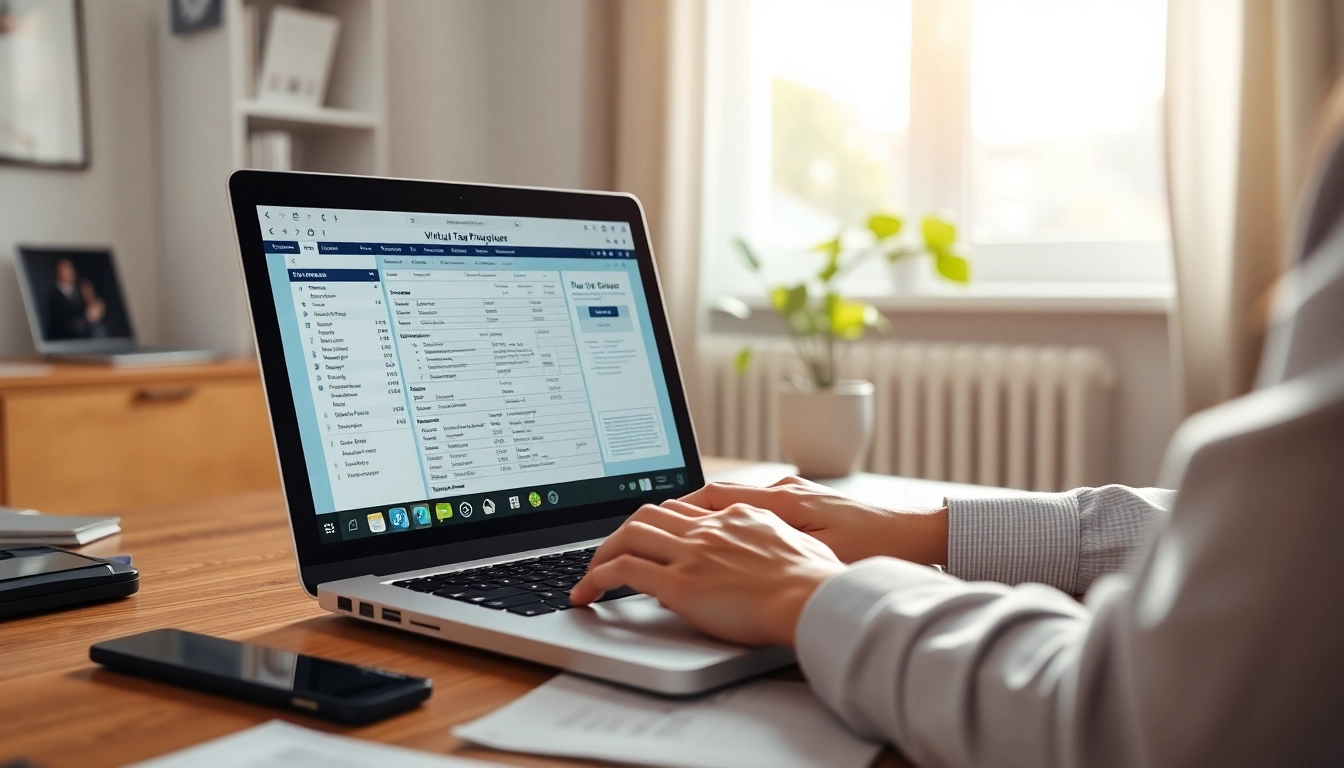
A virtual tax preparer is a professional who assists clients in preparing their tax returns through online communication and digital document handling. Unlike traditional tax preparers, who often require in-person meetings, virtual preparers utilize secure online platforms to connect with clients, making the tax preparation process more accessible and convenient. The role includes gathering financial documents, analyzing tax situations, and ensuring all tax regulations are adhered to while optimizing potential credits and deductions for clients.
The Benefits of Going Virtual
Choosing to work with a virtual tax preparer comes with several significant advantages. Firstly, it provides exceptional flexibility; you can communicate with your tax preparer at any time that suits you, without the constraints of traditional office hours. Furthermore, virtual tax preparers often utilize advanced technology that allows for easy uploading and sharing of financial documents, enhancing the efficiency and accuracy of the preparation process.
Additionally, virtual services tend to have lower overhead costs, which can translate into more competitive pricing for clients compared to traditional in-person preparation services. Moreover, clients often find working from the comfort of their homes decreases stress and simplifies document management.
How Virtual Tax Preparation Works
The process of virtual tax preparation begins after selecting a qualified virtual tax preparer. Typically, clients start by scheduling an initial consultation, which can take place via phone or video conferencing. During this meeting, the tax preparer will discuss the client's tax situation and outline the necessary steps for the preparation process.
Once engaged, clients will provide their relevant financial documentation—such as W-2s, 1099s, and any supporting documents—through a secure online portal designed for data security. The tax preparer then reviews the information, identifies potential tax benefits, and prepares the tax return. After completion, clients will be able to review and approve the documents electronically before they are filed with the IRS.
Getting Started with a Virtual Tax Preparer
Choosing the Right Virtual Tax Preparer
Finding the appropriate virtual tax preparer can significantly impact your tax experience. When selecting a preparer, consider their qualifications, including certifications (such as Certified Public Accountant or Enrolled Agent), experience level, and expertise in your specific tax situation. Client reviews and testimonials can offer valuable insights into their reliability and effectiveness.
Additionally, ensure that the preparer has a secure online system for sharing documents. The ability to communicate through various channels (chat, video, or email) and their willingness to answer questions can also reflect their commitment to client service.
Essential Documents You Need to Provide
To facilitate the tax preparation process, it’s crucial to provide your virtual tax preparer with the correct documentation. This typically includes:
- Income statements (W-2s, 1099s, etc.)
- Tax returns from previous years
- Receipts for deductible expenses
- Investment income and associated documents
- Information regarding dependents (i.e., social security numbers, birth dates)
Being organized with these documents will not only streamline the preparation process but also help ensure that your return is accurate and maximizes your possible refund.
Common Questions Before Starting
Prior to starting, many clients have questions regarding the virtual preparation process. Understanding these can ease any concerns and enhance the workflow:
- Is my information secure? Yes, reputable virtual tax preparers utilize secure portals for document sharing and communication.
- What if I have a complex tax situation? A qualified virtual tax preparer can handle all complexities, from investments to self-employment deductions.
- When is the best time to start? It’s advisable to start early to avoid the last-minute rush and ensure all documentation is in order.
Best Practices for Working with a Virtual Tax Preparer
Effective Communication with Your Tax Professional
Clear and consistent communication with your virtual tax preparer is crucial. Set expectations regarding preferred methods of communication and response times, which can help avoid misunderstandings. Regularly check in on the progress of your tax preparation and be responsive to any queries from your preparer to ensure the efficient handling of your tax return.
Security Measures in Virtual Tax Preparation
Given the sensitive nature of tax documents, security is paramount in virtual tax preparation. Ensure that your tax preparer employs encryption technology and secure data storage practices. Familiarize yourself with their data privacy policies and understand how they manage and protect your information throughout the preparation process.
Timelines for Tax Filing and Consultations
Understanding timelines is essential for smooth tax filing. Begin by scheduling your initial consult well before tax deadlines. During your collaboration, keep track of key dates, such as the submission of documents, feedback periods, and final filing deadlines. A good preparer will help set these deadlines and send reminders as necessary.
Cost Considerations for Virtual Tax Preparation
Average Fees for Virtual Tax Services
The costs associated with virtual tax preparation can vary widely based on complexity, locality, and preparer expertise. On average, clients might expect to pay anywhere from $200 to $500 for individual federal tax returns. Complex returns or additional state filings may incur higher fees.
Understanding What’s Included in Your Package
When engaging a virtual tax preparer, always clarify what services are included in your agreed-upon fee. Some preparers may offer package deals that encompass not only preparation but also consultations, amendments, and audit assistance. Be wary of additional fees that could arise for any extra services and always confirm these upfront.
Tips to Save on Tax Preparation Costs
There are strategies to minimize your tax preparation costs effectively, including:
- Opting for online calculators to prepare simpler returns yourself, before consulting a professional for more complex scenarios.
- Collecting and organizing all necessary documents prior to your first meeting, reducing preparation time and potential fees.
- Inquiring about bundled service discounts if utilizing multiple services from the same preparer.
Conclusion and Next Steps
Evaluating Your Experience with Virtual Tax Preparation
After navigating the virtual tax preparation process, take time to evaluate your experience. Consider factors such as communication, efficiency, efficacy in maximizing deductions, and overall satisfaction. Providing feedback can help your tax preparer improve their services and reassure you for future engagements.
When to Transition Back to In-Person Services
While virtual preparation is beneficial, there may be instances where transitioning back to in-person services becomes necessary. Situations that warrant this switch could include significant life changes (like marriage or home purchase), complex financial scenarios that are challenging to explain virtually, or a personal preference for face-to-face interaction.
Resources for Ongoing Tax Education
Continued tax education serves as an invaluable asset. Numerous online resources, including tax blogs, webinars, and educational platforms, provide up-to-date information about tax laws and preparation strategies that can empower you for future tax seasons. Stay informed with reliable sources to enhance your financial literacy and preparedness.
Frequently Asked Questions
1. What types of taxes can a virtual preparer help with?
A virtual tax preparer can assist with various taxes, including individual income taxes, state taxes, and even specialized taxes for self-employed individuals or businesses.
2. Can I file my taxes using a virtual preparer if I live in a different state?
Absolutely, virtual tax preparers can typically file taxes for clients in any state, thanks to their online capabilities and resources.
3. How should I communicate with my virtual tax preparer?
You can typically communicate via email, chat, or video calls. Discuss preferred methods and response times during your initial consultation.
4. How can I ensure my documents are secure?
Confirm that your virtual tax preparer uses secure online portals featuring encryption for document submission and has strong data protection policies in place.
5. What if I need to amend my return later?
Most virtual tax preparers can assist with amendments if necessary. Ensure to clarify their process and any potential fees involved for amendments during your initial engagement.