
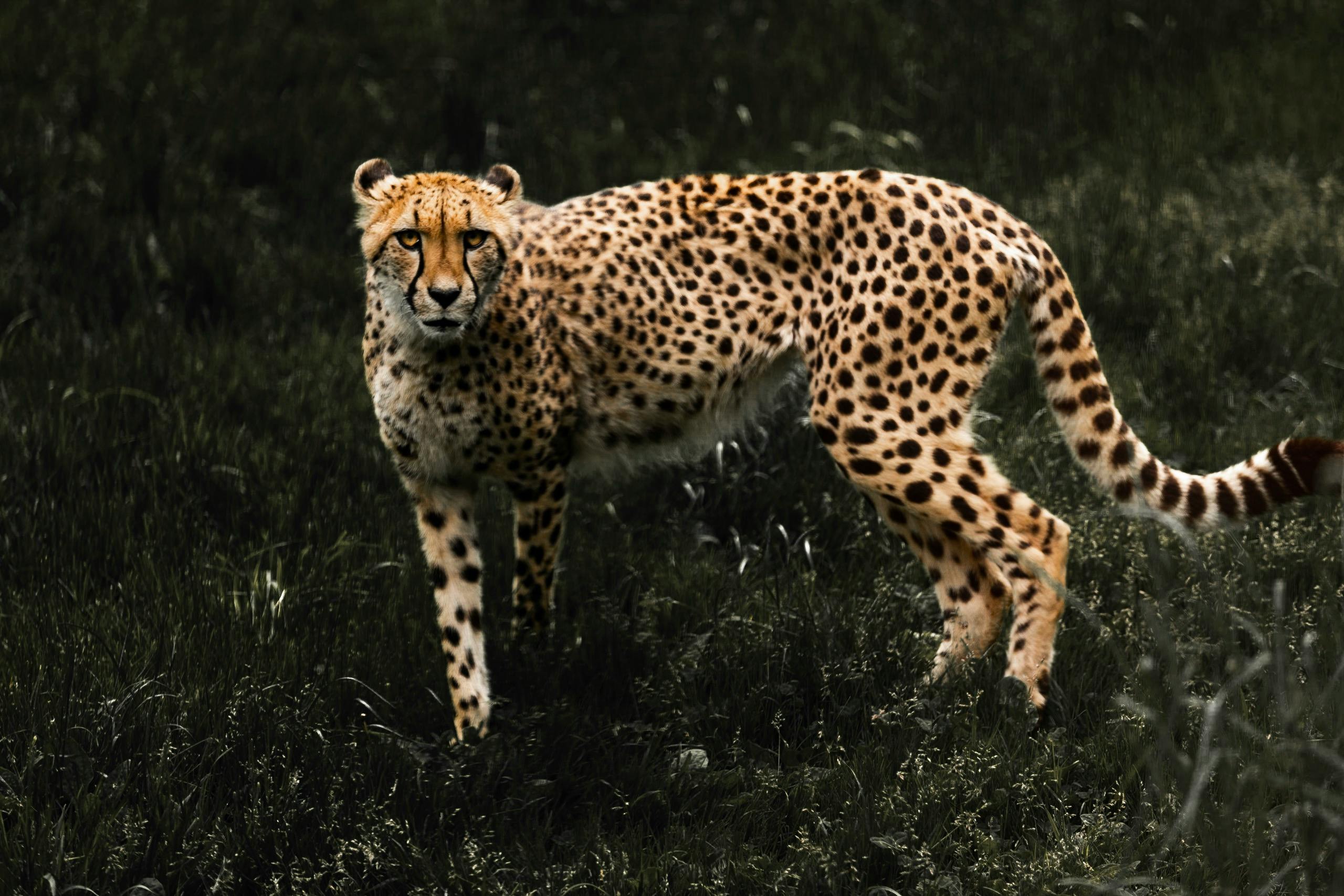
Embarking on a Tanzania Safari is a dream for many travelers, offering a chance to witness the stunning landscapes, incredible wildlife, and vibrant cultures of East Africa. To ensure you make the most of your adventure, proper planning and insider tips are essential. From choosing the right time to visit to understanding local customs, this guide will help you have an unforgettable Tanzania Safari experience.
Choose the Best Time for Your Tanzania Safari
Timing is crucial when planning a Tanzania Safari. The dry season, from June to October, is ideal for wildlife viewing as animals gather around water sources, making them easier to spot. The wet season, from November to May, brings lush landscapes and fewer crowds, though some roads may be challenging. Depending on your priorities—whether it’s photographing the Great Migration in Serengeti National Park or enjoying quiet, scenic drives—you should plan your safari accordingly.
Select the Right Safari Parks
Tanzania boasts a variety of safari destinations, each offering unique experiences. Serengeti National Park is famous for the Great Migration, while Ngorongoro Crater provides a chance to see the “Big Five” in a compact area. Tarangire National Park is known for its giant elephant herds, and Lake Manyara National Park offers breathtaking views and tree-climbing lions. Choosing the right parks ensures your Tanzania Safari aligns with your wildlife and photography goals.
Plan Your Safari Itinerary Carefully
A well-structured itinerary is key to maximizing your Tanzania Safari. Most travelers spend between 5 and 10 days on safari, visiting multiple parks to experience diverse ecosystems. Include sufficient travel time between parks, as some routes may take several hours. Additionally, consider mixing game drives with cultural experiences, such as visiting Maasai villages, to enrich your Tanzania Safari experience.
Pack Smart for Your Tanzania Safari
Packing appropriately can make a big difference on a Tanzania Safari. Lightweight, neutral-colored clothing is ideal for blending into the environment while keeping cool. Don’t forget essentials like a hat, sunscreen, insect repellent, binoculars, and a good camera. Layering is important, as mornings and evenings can be chilly, especially in highland areas. A sturdy pair of walking shoes is also recommended for guided walks and short hikes during your Tanzania Safari.
Respect Wildlife and Local Communities
Responsible tourism is vital during a Tanzania Safari. Maintain a safe distance from animals and avoid loud noises to prevent disturbing them. Respect local communities by asking permission before photographing people and supporting local businesses. Ethical behavior ensures the natural and cultural heritage of Tanzania is preserved for future visitors and enhances your safari experience.
Stay Hydrated and Healthy
Health precautions are important while on a Tanzania Safari. Drink plenty of water to stay hydrated during long game drives and avoid unpasteurized food or tap water. Consult your doctor about recommended vaccinations and malaria prophylaxis before traveling. Carry a small first-aid kit to handle minor injuries or ailments while enjoying your Tanzania Safari adventure.
Hire a Knowledgeable Guide
A professional guide can transform your Tanzania Safari from ordinary to extraordinary. Experienced guides know animal behaviors, best photo spots, and secret viewing areas that are often missed by self-drive tourists. They also provide cultural insights, making your safari more informative and memorable. Investing in a skilled guide ensures you get the most out of your Tanzania Safari.
Capture the Moments
Photography is an essential part of any Tanzania Safari. Bring a camera with a zoom lens to capture wildlife from a safe distance. Early mornings and late afternoons offer the best lighting for photographs. Remember to also take mental snapshots—sometimes the beauty of a scene cannot be fully captured in a photo but remains unforgettable in your memory.
Plan for Flexibility
Despite careful planning, flexibility is key on a Tanzania Safari. Wildlife sightings are unpredictable, and weather conditions can change quickly. Allow extra time for unexpected delays or spontaneous game drives. Embracing the unexpected makes your safari experience more enjoyable and authentic.
Conclusion
A Tanzania Safari is a once-in-a-lifetime adventure, and careful planning ensures you make the most of it. By choosing the right time to visit, selecting suitable parks, packing appropriately, respecting wildlife, staying healthy, hiring a knowledgeable guide, and remaining flexible, you can create an unforgettable experience. Following these tips will allow you to fully immerse yourself in the breathtaking landscapes and extraordinary wildlife of Tanzania while making memories that will last a lifetime.