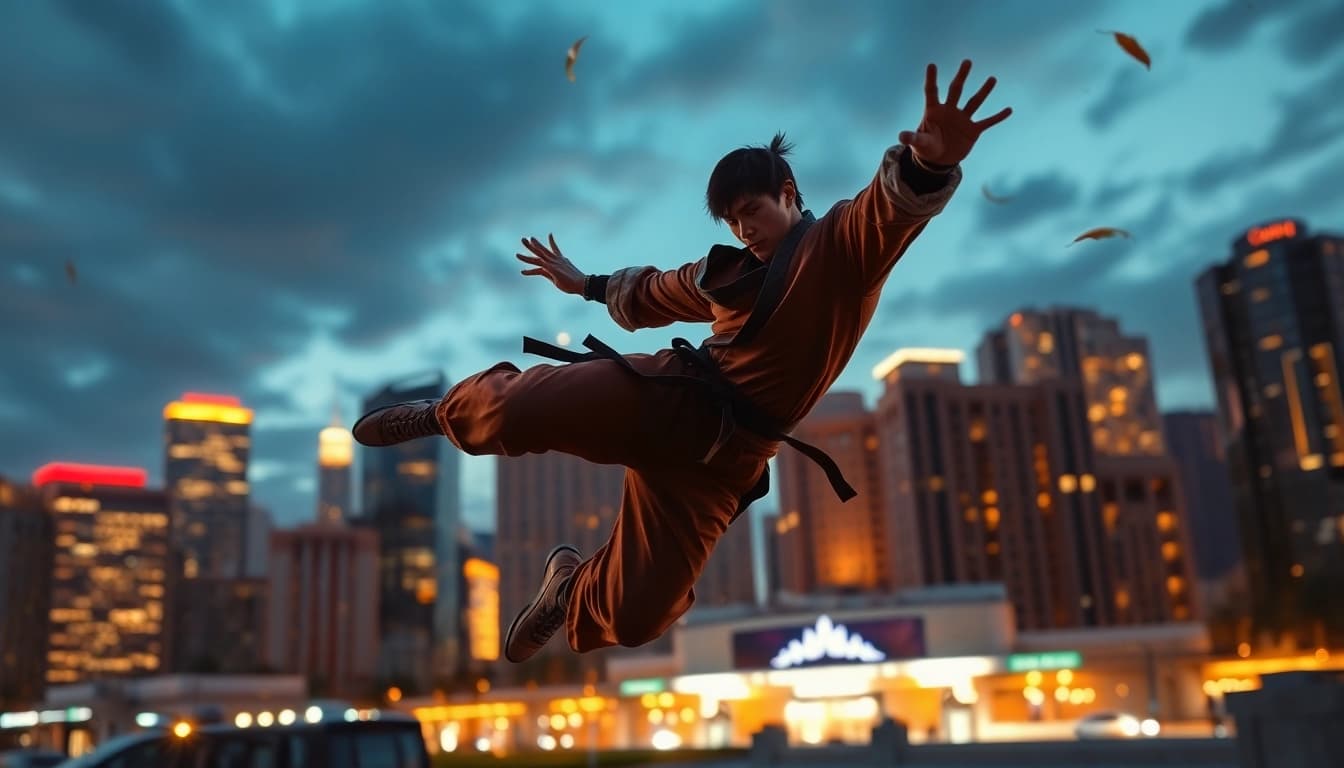
Introduction to Martial Arts Thriller
The world of film has long been captivated by the rhythm of fast-paced action and the intricate dance of combat. Among the many genres that showcase these thrilling spectacles, the Martial Arts Thriller stands out as a unique fusion of intense storytelling and electrifying fight choreography. This captivating genre not only entertains but also builds a connection with audiences through its emotional depth and cultural significance. As we delve into the captivating universe of martial arts thrillers, we'll explore their defining characteristics, historical context, and the elements that make them so engaging.
Defining the Genre
Martial arts thrillers combine elements of suspense, action, and martial arts. These films typically involve a protagonist who is a skilled martial artist facing formidable adversaries, often navigating through elaborate plot twists and high-stakes scenarios. The hallmark of this genre lies in its capability to weave narrative arcs filled with tension alongside breathtaking choreography that vividly showcases the prowess of its characters. Such thrillers not only entertain with their action-packed sequences, but they also engage viewers on a deeper level, often exploring themes of honor, redemption, and personal struggle.
Historical Overview of Martial Arts Thriller
The origins of martial arts thrillers can be traced back to the early 20th century, where films featuring martial arts began to emerge in Asia. Particularly in Hong Kong cinema, the genre gained significant traction during the 1960s and 1970s with notable films starring Bruce Lee, such as "Enter the Dragon." His incredible on-screen presence and fighting skills played a substantial role in popularizing martial arts films globally, laying the groundwork for the genre's growth.
As the genre evolved, directors began to experiment with intricate storylines that often included elements of espionage, crime, and psychological twists. The release of films like "The Raid" and "Kill Bill" in the 21st century showcased a new era of martial arts thrillers, known for their innovative fight choreography and compelling narratives. These films effectively demonstrated that martial arts can serve as a powerful storytelling tool, elevating the entire cinematic experience.
What Makes a Great Martial Arts Thriller
A great martial arts thriller combines several key aspects that resonate strongly with audiences. First and foremost, an engaging storyline is essential—it should be filled with twists that keep viewers on the edge of their seats. Furthermore, well-developed characters equipped with distinct motivations provide depth to the narrative, allowing audiences to connect emotionally with the protagonists and their journeys.
Equally vital is the quality of the action choreography. Masterful fight sequences not only serve as eye candy but also embody the characters’ internal and external conflicts. Effective cinematography and editing amplify these sequences, ensuring that every punch and kick is impactful and thrilling. Finally, skillful direction and a capable supporting cast enhance the credibility of the film, making it a well-rounded masterpiece.
Key Elements of Martial Arts Thrillers
Action and Choreography
Action serves as the lifeblood of martial arts thrillers. The choreography is a crafted art form in itself, often orchestrated by seasoned martial artists and stunt coordinators. High-octane sequences are designed to be both visually stunning and narratively compelling. Consider films like "The Matrix" where wire-fu techniques revolutionized action scenes, making them feel surreal yet grounded in the impressive fighting skills of each character.
The choreography should not only display martial arts techniques but also be tailored to reflect the characters’ emotions and intentions. For instance, a frantic fight with quick cuts can evoke a sense of desperation, while a slower, more fluid sequence might illustrate a character’s mastery or composure. The seamless integration of movement, sound design, and cinematography is crucial in creating a captivating viewing experience.
Storytelling Techniques
Effective storytelling in martial arts thrillers relies on a strong narrative foundation that grips the audience from the onset. This often involves employing classic thriller tropes such as plot twists, cliffhangers, and flashbacks. Smart pacing is necessary; films should build tension in increments, leading to explosive reveals and climactic showdowns.
One notable approach is the use of character arcs that evolve through the pursuit of martial mastery or the confrontation of personal demons. This gives audiences a reason to invest in the characters beyond their skills, making their victories and failures resonate emotionally. Themes central to martial arts, such as discipline, sacrifice, and the balance between good and evil, are essential to enriching the narrative and providing a philosophical layer to the conflict.
Character Development in Martial Arts Thriller
Character development is a critical element that underpins the martial arts thriller genre. While action sequences may attract viewers, it is the characters that keep them engaged throughout the film. Protagonists are typically portrayed as complex, multidimensional figures with unique backgrounds and motivations. Their journey often involves overcoming personal struggles and external adversaries.
Antagonists, too, are thoughtfully constructed, often serving not just as foes but as reflections of the protagonists' fears and moral dilemmas. This interplay adds depth to their rivalry, ultimately leading to profound showdowns that are as much about physical skill as they are about ideological conflict. The struggles between these characters often culminate in transformative experiences, reinforcing the classic narrative arc of growth through adversity.
Notable Martial Arts Thriller Films
Classic Titles That Shaped the Genre
Many film titles have left an indelible mark on the martial arts thriller genre. Iconic films such as "Enter the Dragon" and "The Last Dragon" established foundational elements that continue to influence filmmakers today. These classics not only showcased phenomenal fighting skills but also storylines centered around themes of conflict and redemption, engaging audiences on multiple levels.
Other landmark films like "Crouching Tiger, Hidden Dragon" introduced Western audiences to the poetic aspects of martial arts, combining visual storytelling with emotional depth. These classics have paved the way for future narratives, cementing the significance of martial arts thrillers in cinematic history.
Recent Releases and Modern Trends
The past decade has witnessed a resurgence in martial arts thrillers, marked by innovative storytelling and choreography. Films such as "John Wick" and "Atomic Blonde" exhibit the genre's evolution, integrating contemporary action styles while maintaining the core elements that define martial arts thrillers. The increase in global distribution platforms allows diverse narratives—from Asian cinema influences to Western adaptations—to thrive and expand the genre's reach.
Moreover, films like "The Night Comes for Us" demonstrate a return to raw, gritty realism in fight choreography, emphasizing brutal combat and real stakes. Audiences are captivated by the authenticity and artistic expression of martial arts, which enhances the overall cinematic experience.
Influential Directors and Choreographers
Behind every great martial arts thriller stands a skilled director and choreographer, breathing life into the action and shaping the narrative. Directors such as John Woo and Ang Lee are known for pushing the boundaries of action filmmaking, blending choreography with cinematic flair to craft unforgettable experiences. Their unique styles set the tone for how martial arts films are perceived, often integrating cultural aspects that resonate globally.
Choreographers, too, play a pivotal role in defining the genre. The likes of Yuen Woo-Ping and Chad Stahelski have revolutionized fight scenes, utilizing their expertise not only to create stunning visuals but to tell compelling stories through movement. These collaborators help ground the action in authenticity, allowing audiences to appreciate the skills involved in each scene.
Why Martial Arts Thrillers Captivate Audiences
Emotional Resonance and Themes
The emotional resonance of martial arts thrillers often stems from the exploration of universal themes such as honor, vengeance, and the human condition. These films resonate deeply with viewers who identify with the struggles of the protagonists. The journey of mastering martial arts becomes a metaphor for personal growth, the acquisition of discipline, and the battle between good and evil.
Moreover, stories often tackle social issues, reflecting the struggles faced by individuals within their communities. These narratives foster empathy, allowing audiences to engage with the material on an emotional level. As the protagonist undergoes trials and tribulations, viewers experience a cathartic release that can inspire and motivate them in their dreams and aspirations.
Cultural Impact of Martial Arts Thriller
Martial arts thrillers hold significant cultural relevance, especially in contexts where martial arts traditions originate. Such films not only showcase the art forms but also contribute to the preservation of cultural identity, offering insights into philosophies and practices that might otherwise be overlooked. Through captivating storytelling, martial arts thrillers can educate global audiences about cultural nuances and histories intertwined with martial arts.
The influence of these films extends beyond the screen, inspiring individuals to pursue martial arts training and engage with the culture on a deeper level. The iconic images and lessons portrayed resonate with lived experiences, fostering communities around shared interests.
Engagement Through Visual Storytelling
Visual storytelling is a cornerstone of the martial arts thriller genre. Directors and choreographers utilize cinematography to convey the magnitude of emotions and stakes involved in each scene, employing techniques such as slow-motion, dynamic angles, and immersive sound design to enhance the action's impact. Every movement is thoughtfully framed to heighten tension and investment, turning each fight into a choreographed narrative moment.
Furthermore, production designs are meticulously constructed to enrich the story—whether it be through stunning locales, intricate costumes, or innovative set designs that reflect the film's themes. Such attention to visual detail not only sets the tone but also draws viewers deeper into the story world, fostering a captivating experience that lingers long after the credits roll.
The Future of Martial Arts Thriller Films
Emerging Trends and Innovations
The future of martial arts thrillers appears bright, with filmmakers continually pushing the envelope in terms of creativity and innovation. As audience preferences evolve, there is a growing emphasis on crafting narratives that are inclusive and diverse, reflecting a broader spectrum of identities and cultures.
The use of technology has opened new avenues for realism in action choreography as well. Aerial perspectives, augmented reality, and sophisticated editing techniques enable filmmakers to create visually stunning sequences that elevate the genre. Moreover, the integration of elements from other genres—such as horror or science fiction—enhances storytelling possibilities, keeping the genre fresh and engaging for audiences.
Potential Crossovers with Other Genres
The blending of genres has become increasingly prevalent in modern cinema, and martial arts thrillers are no exception. Future films may feature hybrid concepts, incorporating elements of technological advancement, psychological horror, or science fiction alongside traditional martial arts themes. This innovation not only broadens the audience but also reinvigorates the genre's appeal, allowing for fresh narratives built on familiar tropes.
Furthermore, the collaboration between martial arts films and other genres emphasizes that action-packed sequences can coexist with emotional storytelling, forging connections that transcend typical genre boundaries. As filmmakers explore these new possibilities, the genre is set to retain its relevance and continue captivating audiences worldwide.
Audience Expectations and Market Growth
As the demand for martial arts thrillers continues to rise, audience expectations have become more pronounced. Viewers seek films that balance thrilling action with sophisticated storytelling, expecting engaging plots and relatable characters. The evolution of home streaming platforms has broadened access to diverse narratives from various cultures, leading audiences to become more discerning and receptive to innovative storytelling approaches.
The emergence of a global market presents opportunities for filmmakers willing to experiment with themes and styles. As more filmmakers craft compelling martial arts narratives that resonate with local and international audiences, the growth potential of the genre seems limitless. Through thoughtful representation and engaging storytelling, the martial arts thriller genre is poised to thrive, captivating generations of viewers for years to come.