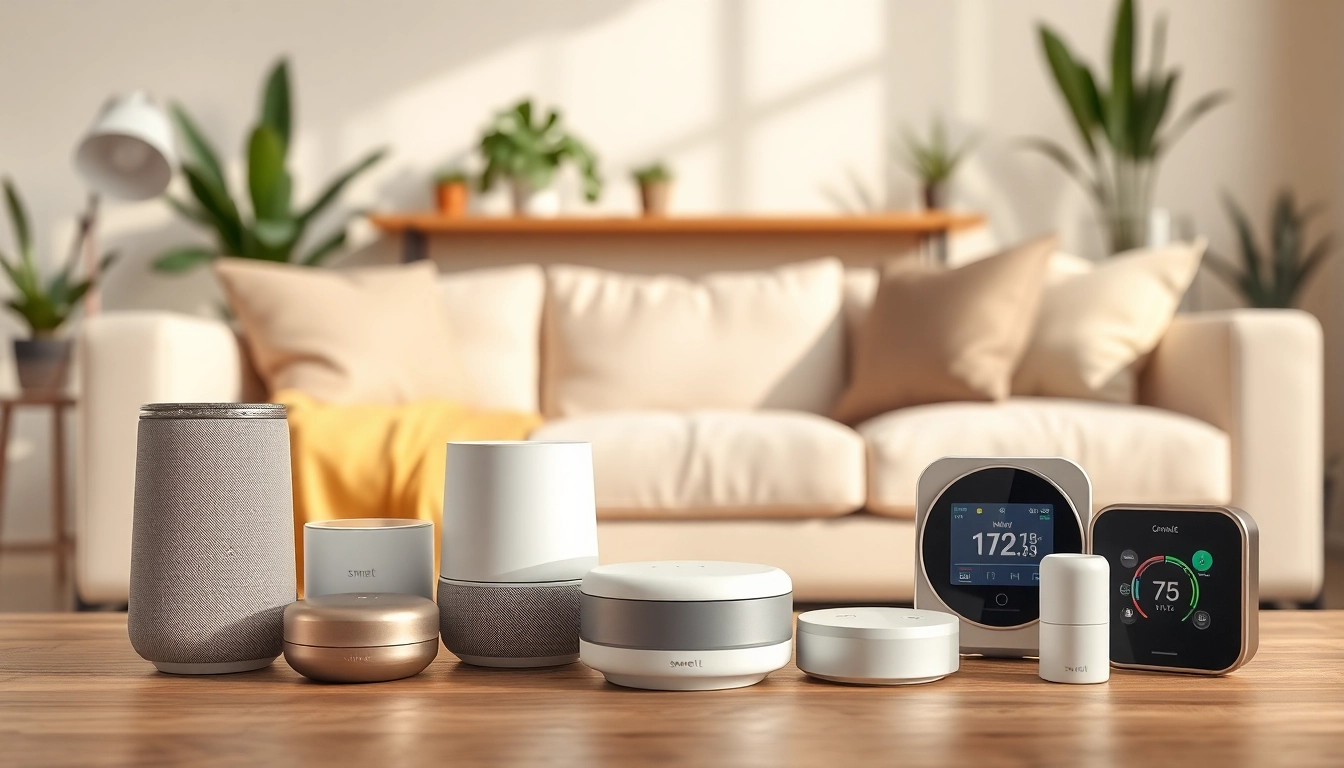
Introduction to Smart Home Devices
What are Smart Home Devices?
Smart home devices are electronic gadgets that connect to a network and can be controlled remotely. They enhance the convenience, efficiency, and comfort of daily life by allowing users to manage various home functions from smartphones or computers. From smart lighting systems to advanced home security setups, these devices integrate seamlessly into our homes to improve overall living experiences.
These devices fall under the Internet of Things (IoT) category and include various products such as smart thermostats, smart speakers, smart locks, and smart cameras. By utilizing Smart home devices, homeowners can enjoy innovative and energy-efficient solutions that simplify their routines.
Benefits of Smart Home Devices
The advantages of adopting smart home technology are numerous. Firstly, these devices enhance daily convenience and comfort. For instance, one can control lighting and temperature with simple voice commands or smartphone apps. Secondly, energy efficiency significantly improves; many smart devices are designed to minimize energy consumption, leading to lower utility bills.
Additionally, security is a primary concern addressed by smart home systems. Enhanced security devices such as cameras and smart doorbells help monitor homes and protect against potential intruders. Finally, a well-implemented smart home system can increase property value, making it a wise investment as market trends favor smart technology.
Types of Smart Home Devices
Smart home devices come in various categories, each designed to fulfill specific functions:
- Smart Lighting: Devices like smart bulbs and switches allow users to control lighting remotely.
- Smart Security: Cameras, doorbells, and alarm systems keep homes safe.
- Smart Thermostats: These devices learn users' schedules and preferences to optimize heating and cooling.
- Smart Appliances: Kitchen gadgets like smart ovens and refrigerators offer automation and monitoring.
- Smart Entertainment: Speakers and televisions that can be controlled via voice or apps enhance media experiences.
Choosing the right combination of these devices can create a personalized and efficient smart home ecosystem.
Choosing the Right Smart Home Devices
Assessing Your Needs
When considering smart home devices, it's crucial to assess your individual needs and lifestyle. Examine your daily routines and pain points—what tasks are repetitive or time-consuming? For example, if you frequently adjust your home's temperature, a smart thermostat might be beneficial. Alternatively, if security is a concern, investing in smart locks and cameras would be advisable.
Moreover, clarifying whether you want devices for convenience, energy savings, or security will guide you in selecting the most suitable products for your home.
Compatibility with Existing Systems
One of the critical considerations when choosing smart home devices is their compatibility with existing systems. Many smart home products can communicate using protocols like Wi-Fi, Zigbee, or Z-Wave. Before purchasing, ensure that your existing devices can integrate with new products to create a cohesive experience.
It’s essential to research manufacturers and ecosystems—some systems work better together than others. Using a centralized hub may bridge different technologies, making management easier.
Budget Considerations for Smart Home Devices
Smart home devices come in various price ranges, making budgeting a vital aspect of the purchasing process. While it may be tempting to invest in the latest technologies, determining your budget will help prioritize which devices will add the most value to your home.
Consider the long-term savings potential. For example, a smart thermostat may have a higher upfront cost but lead to significant savings on energy bills over time. Evaluate whether devices can offer both immediate and ongoing benefits, ensuring the best investment.
Setting Up Your Smart Home Devices
Installation Guidance for Popular Devices
Installing smart home devices can range from simple plug-and-play setups to more complex wiring solutions. For instance, smart bulbs typically require just a screw-in replacement of existing bulbs and can be connected via an app. However, more intricate devices like smart security systems may require careful placements and proper internet configurations.
Refer to the user manuals for each device for specific installation instructions or seek professional help if necessary to ensure optimal function.
Best Practices for Integration
Once devices are installed, integrating them effectively is crucial for a seamless smart home experience. Start by grouping similar devices into rooms or zones in your smart home app to simplify management. Utilize routines or automation features that allow devices to interact with one another: for instance, setting up a “Good Night” routine that turns off all lights and lowers the thermostat when it's bedtime.
Stay organized by regularly updating the software of all devices to leverage new features and security improvements.
Troubleshooting Common Issues
Even the best smart home systems can experience hiccups. Common issues include connectivity problems, device recognition failures, and software bugs. Always ensure your network is stable and devices are within range of the router. If a device fails to respond, a quick reset often remedies the issue.
Check for firmware updates regularly to fix bugs and improve security. Many manufacturers provide customer support for persistent problems where specific advice can be obtained.
Enhancing Security with Smart Home Devices
Integrating Smart Security Systems
Security is one of the most compelling reasons to invest in smart home devices. Integrating smart security systems provides comprehensive surveillance and alerts for suspicious activity around your home. Options such as doorbell cameras provide visual access to your front door, while smart locks allow you to grant access remotely.
Establishing a layered security approach by combining multiple devices can enhance overall protection. Position cameras around entry points and utilize smart sensors to detect motion.
Monitoring and Alerts
Monitoring is essential for peace of mind. Most smart security devices come with an app that keeps you informed of any unusual activities. Alerts can be customized, so you can choose to receive notifications about specific events, like a door opening or motion at a certain time. Regular awareness fosters a proactive approach to security.
Connecting your smart security system to emergency services can also ensure swift responses when necessary.
Importance of Regular Updates
Maintaining the security of smart home devices requires regular software updates. Manufacturers frequently release updates that include security patches and new features. Failing to update can leave devices vulnerable to unauthorized access or exploitation.
Set reminders to check for updates routinely or enable automatic updates where applicable, ensuring devices are always functioning optimally.
The Future of Smart Home Devices
Emerging Trends in Smart Home Technology
The smart home industry is rapidly evolving. Emerging trends include the increased integration of artificial intelligence, which enables devices to learn user behaviors more intelligently, leading to enhanced automation. Voice recognition continues to improve, enhancing accessibility and ease of control.
Moreover, the shift towards connective ecosystems is growing, allowing different manufacturers’ devices to communicate more effectively. This trend promises a more cohesive smart home experience.
Eco-Friendly Smart Home Devices
With environmental issues at the forefront of global discussions, many new smart home devices prioritize sustainability. Smart thermostats, for instance, reduce energy consumption significantly, while smart irrigation systems optimize water use for gardening and landscaping. Incorporating such devices into homes contributes to eco-friendly living.
As demand for eco-conscious products rises, we can expect advancements that enhance sustainable practices in home automation.
Expanding the Smart Home Experience
As smart home technology advances, so does its integration into lifestyle choices. Future smart homes may include advanced health monitoring systems, smart kitchen appliances that can suggest recipes based on available ingredients, and devices that promote wellness through automated lighting depending on natural daylight.
The concept of a fully connected lifestyle, from health to environmental management, represents the exciting horizon of smart home technology.
Frequently Asked Questions
What are Smart Home Devices?
Smart home devices are gadgets that connect to your home network, allowing remote control of functions like lighting, security, and temperature for enhanced convenience and energy efficiency.
How do Smart Home Devices improve security?
Smart home devices like cameras, sensors, and smart locks enhance security by providing real-time monitoring, alerts for unusual activity, and remote access control.
Can I control Smart Home Devices with my phone?
Yes, most smart home devices can be controlled via smartphone apps, enabling you to manage your home’s settings from anywhere with an internet connection.
Are Smart Home Devices energy-efficient?
Many smart home devices are designed for energy efficiency, allowing users to monitor and control energy use, ultimately leading to savings on utility bills.
Do Smart Home Devices require a stable internet connection?
Yes, most smart home devices require a stable internet connection for optimal functionality, allowing for remote access and control.
In conclusion, embracing smart home technology can significantly enhance your living environment by providing practical solutions for convenience, security, and energy efficiency. As technology continues to evolve, the possibilities for creating a more efficient and enjoyable home are continuously expanding.