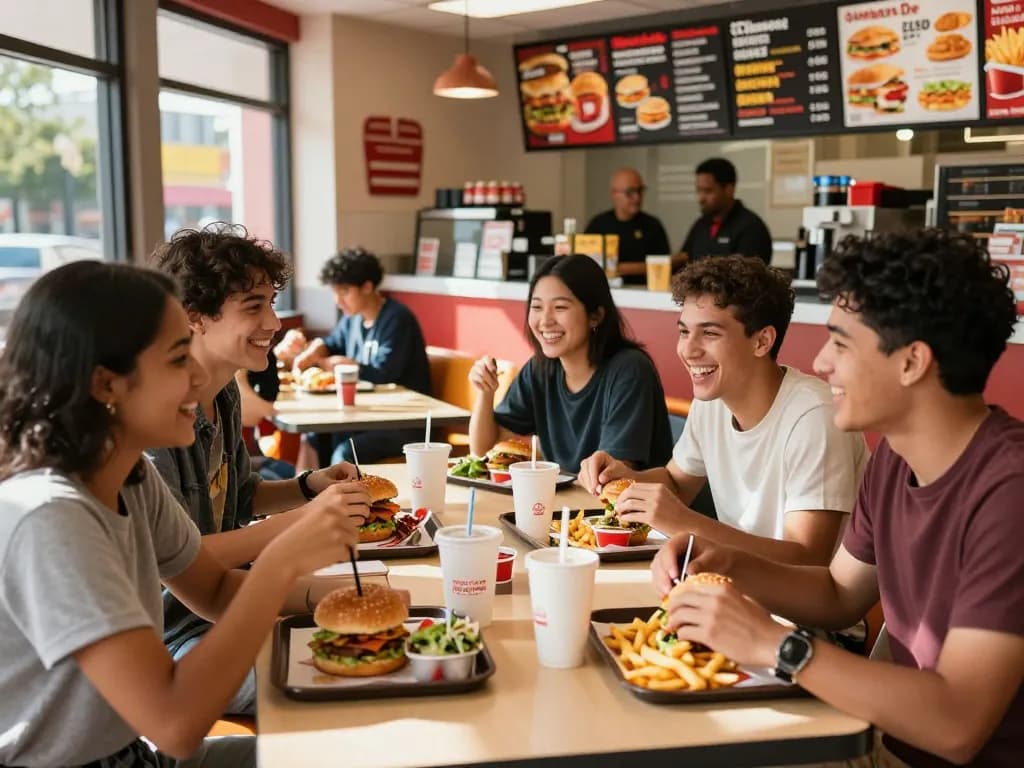
The Rise of Fast Food Prices in 2026
Fast food has long been seen as an affordable dining option for people on the go, but recent trends indicate a significant shift in this perception. As of 2026, fast food prices have skyrocketed, with consumers facing increased costs for their favorite meals. This article delves into the current landscape of fast food pricing, analyzing regional differences, the factors driving price increases, and how consumer behavior is evolving in response to these changes. When exploring options, fast food prices have become a key topic of discussion among consumers looking for value in their dining experiences.
Current Trends in Fast Food Pricing
The average cost of a fast-food meal has seen a substantial rise, with reports indicating that consumers now pay over $11.50 for a meal in major U.S. cities. This increase is a stark contrast to previous years when meals could be purchased for under $7. Key players like McDonald's have raised their prices by approximately 40% within the last five years, largely due to inflation and increased operational costs. Such trends point to a broader evolution in consumer dining habits as patrons increasingly weigh value against rising expenses.
Comparative Analysis of Fast Food Prices by Region
Fast food prices do not remain constant across the United States; they vary significantly by region. For example, the most expensive locations can be found in urban environments like San Francisco, where a combo meal averages around $13.88. In contrast, states like Mississippi offer some of the lowest prices, with items like a Big Mac costing as little as $3.91. These variances often reflect the cost of living in different areas, impacting how consumers perceive value and quality.
Factors Influencing Price Increases in Fast Food
Several factors contribute to the rising prices in the fast food industry. Key drivers include:
- Inflation: Economists note that fast food establishments have been significantly affected by overall inflation rates, which have increased operational expenses across the board.
- Labor Costs: With many states implementing higher minimum wages, particularly in the fast food sector, businesses are forced to pass on these costs to consumers.
- Supply Chain Disruptions: The pandemic affected global supply chains, leading to increased ingredient prices and shortages that have yet to stabilize.
- Consumer Demand: Rising demand for higher quality and diverse menu items can also drive up prices, as consumers are willing to pay more for perceived value.
Understanding Consumer Behavior Towards Fast Food
Changing Preferences and Their Impact on Pricing
Modern consumers are more health-conscious than ever before, prompting fast food chains to adapt their menus with healthier options. While this shift can attract a new clientele, it also contributes to rising costs, as healthier ingredients tend to be more expensive. Furthermore, consumers are often willing to pay a premium for options that align with their dietary needs or preferences, such as organic, gluten-free, or plant-based items.
Consumer Expectations and Value Perception
As prices increase, consumers have adjusted their expectations regarding value. Many patrons are now seeking out deals and promotions that provide a sense of savings. Fast food restaurants have responded by launching various value menus and combo deals in an attempt to retain their customer base and appeal to budget-conscious diners. This shift exemplifies how consumer behavior is influencing pricing strategies in the fast food industry.
Fast Food Restaurants' Responses to Price Sensitivity
In light of rising operational costs, fast food chains are becoming increasingly innovative in their pricing strategies. For example, many brands are turning to technology to enhance customer experiences and streamline operations. Mobile apps offering exclusive deals, reward points, and personalized promotions help to mitigate price sensitivity, creating a sense of loyalty among consumers.
Price Variability Across Popular Fast Food Chains
Comparing Menu Prices at Major Chains
When analyzing prices across popular chains such as McDonald's, Burger King, and Taco Bell, substantial differences emerge. McDonald's has been noted for its price sensitivity, often featuring larger price hikes throughout the years compared to its competitors. Meanwhile, chains like Wendy's focus on value-driven promotions that appeal to younger consumers looking for affordable meals.
The Impact of Local Economies on Fast Food Pricing
Local economic conditions significantly affect fast food pricing. Urban areas with higher costs of living generally reflect increased menu prices due to rent and employee wages. In contrast, rural areas often maintain more favorable pricing structures, allowing consumers to enjoy fast food without breaking the bank. This geographical pricing strategy plays a crucial role in how chains attract different demographics.
Case Studies: Price Changes at Leading Fast Food Brands
Examining the price history of leading fast food brands reveals a trend of consistent increases. For instance, Taco Bell's lineup has seen items go from $1 as part of their value menu to nearly double, reflecting the overall industry trend. Meanwhile, Domino's adjusted prices in response to market competition, making strategic cuts on popular items while raising prices on premium options.
Strategies to Navigate Rising Fast Food Prices
Finding Value: Combos and Promotions
For budget-conscious consumers, taking advantage of combo meal options can significantly lessen the financial impact of rising prices. Most fast food restaurants frequently update their promotions, making it easier for patrons to find meals that offer the best value. Signing up for loyalty programs can also yield discounts and exclusive offers that help maintain affordability.
Alternatives to Traditional Fast Food Dining
As prices climb, many consumers are exploring alternatives to traditional fast food. Fast casual dining options, meal kits, and local eateries are increasingly popular among those seeking quality meals without the inflated fast food price tags. Additionally, cooking at home offers a cost-effective solution, as families can prepare meals for less than the price of a single fast food meal.
Budget-Friendly Tips for Fast Food Enthusiasts
For those who prefer fast food despite rising prices, here are several budget-friendly tips to consider:
- Utilize mobile apps for exclusive deals and discounts.
- Share meals with family or friends to split costs.
- Opt for smaller portions or items from value menus.
- Take advantage of loyalty rewards for future discounts.
The Future of Fast Food Pricing: Trends to Watch
Predictions for Fast Food Prices Post-2026
Looking forward, there are several anticipated trends that will shape fast food pricing beyond 2026. As consumers continue to seek greater transparency in pricing and ingredient sourcing, brands that can effectively communicate their value proposition are likely to thrive. Price increases may become less common as chains adapt to consumer expectations and competition in the market.
Emerging Trends in Fast Food Industry Pricing Models
One emerging trend is the adoption of dynamic pricing models, allowing brands to adjust menu prices based on demand, time of day, or location. This strategy may help balance affordability with operational costs, ultimately benefitting both consumers and businesses.
The Role of Technology in Fast Food Pricing Strategies
Technology's role in pricing strategies will continue to grow. From predictive analytics that help forecast consumer demand to AI-driven tools that personalize pricing for different segments, the integration of technology into fast food operations promises to reshape pricing consistency and strategy in profound ways.
What Are Fast Food Loyalty Programs Offering?
Loyalty programs have gained traction as a response to rising fast food prices. Many chains are enhancing their programs by offering more than just discounts; they provide exclusive menu items, promotions, and personalized offers that resonate with frequent diners. These strategies not only incentivize repeat business but also help consumers feel valued amidst rising costs.