Understanding Water Lilies: A Beginner's Guide
Water lilies are a stunning addition to any pond or aquatic garden, known for their large, vibrant flowers and beautiful foliage. These plants not only enhance the aesthetic appeal of water features but also contribute to the health of aquatic ecosystems. In this comprehensive guide, we will explore the fascinating world of Water Lilies, covering their types, benefits, and how to care for them effectively.
What Are Water Lilies?
Water lilies, belonging to the family Nymphaeaceae, are perennial aquatic plants that thrive in freshwater ponds and lakes. They are characterized by broad, floating leaves and stunning blossoms that bloom above the surface of the water. These plants have adapted to life in aquatic environments, developing unique structures that allow them to absorb sunlight and nutrients efficiently. With their ability to create large colonies, water lilies play a vital role in the ecology of their habitats.
The Different Types of Water Lilies
There are primarily two types of water lilies: hardy and tropical. Hardy water lilies, such as the Nymphaea odorata and Nymphaea alba, can survive in cooler climates and typically bloom from late spring to early autumn. Tropical varieties, like Nymphaea capensis, thrive in warmer climates and often feature more vibrant colors and larger flowers. Understanding the differences between these types can help gardeners choose the right species for their pond conditions.
Common Misconceptions About Water Lilies
Many beginners have misconceptions about water lilies, often believing they require extensive maintenance or that they only thrive in tropical settings. In reality, hardy water lilies are quite low-maintenance and can flourish in varying climatic conditions. Additionally, they contribute positively to pond ecosystems by providing shade and shelter for fish and reducing algae growth.
Benefits of Water Lilies in Garden Design
Enhancing Aesthetics with Water Lilies
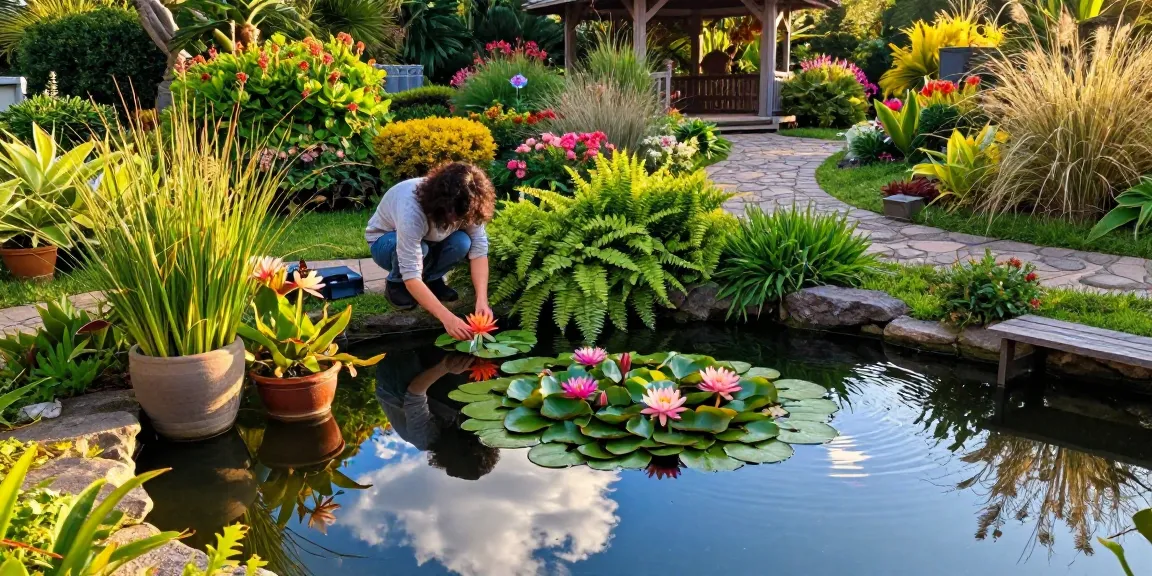
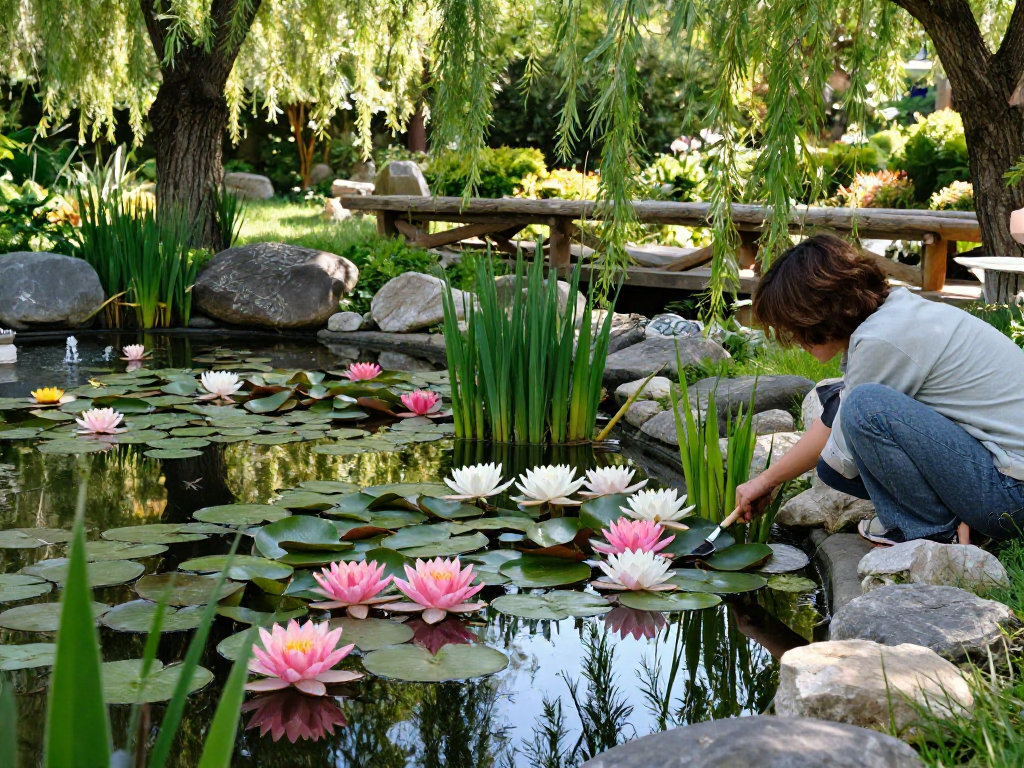
Water lilies offer unparalleled beauty with their vibrant colors and intricate shapes. They provide a striking focal point in aquatic gardens, creating a serene and tranquil atmosphere. Planting a variety of water lilies can lead to a stunning visual display, attracting visitors and enhancing the overall ambiance of outdoor spaces.
Improving Water Quality with Aquatic Plants
Beyond their beauty, water lilies play a crucial role in maintaining pond health. Their broad leaves offer shade, reducing the growth of algae and maintaining a balanced ecosystem. By absorbing excess nutrients from the water, they help prevent eutrophication, ensuring that the aquatic environment remains clear and healthy for fish and wildlife.
Creating Habitats for Wildlife
Water lilies provide essential habitats for various aquatic species. Their leaves offer shelter for frogs, fish, and invertebrates, while the flowers attract pollinators such as bees and butterflies. By incorporating water lilies into your pond, you create a thriving ecosystem that supports biodiversity.
Choosing the Right Water Lilies for Your Pond
Factors to Consider When Selecting Water Lilies
When selecting water lilies, consider factors such as pond depth, water temperature, and sunlight exposure. Hardy water lilies are suitable for shallower ponds, while tropical varieties need warmer water and full sun. Assessing these conditions will help you choose the right species that will thrive in your garden.
Best Varieties for Specific Pond Conditions
- Nymphaea 'Midnight Blue': Ideal for large ponds, offers deep blue flowers and blooms throughout summer.
- Nymphaea 'Pink Sensation': Perfect for smaller ponds, featuring stunning pink flowers with a sweet fragrance.
- Nymphaea 'Aurelia': A hardy variety that thrives in semi-shaded areas, producing lovely yellow flowers.
Where to Buy Healthy Water Lilies
Purchasing healthy water lilies is essential for success in aquatic gardening. Look for reputable nurseries or online retailers specializing in pond plants. Ensure that the plants are robust and disease-free, as healthy specimens will adapt better to their new environment and enhance your pond's aesthetic.
Care and Maintenance of Water Lilies
How to Plant Water Lilies Properly
Planting water lilies involves selecting a suitable container with drainage holes, filled with aquatic potting soil. Position the tuber horizontally in the soil and cover it moderately. Place the pot in a shallow area of the pond where the water is around 6-12 inches deep. Over time, the plant will spread and thrive, creating a beautiful display.
Common Pests and Diseases
While water lilies are generally resilient, they can be susceptible to pests such as aphids, snails, and water lily beetles. Regular monitoring and natural pest control methods can help manage populations. Fungal infections can also occur; using organic treatments can mitigate the risk and ensure plants remain healthy.
Seasonal Care Tips for Water Lilies
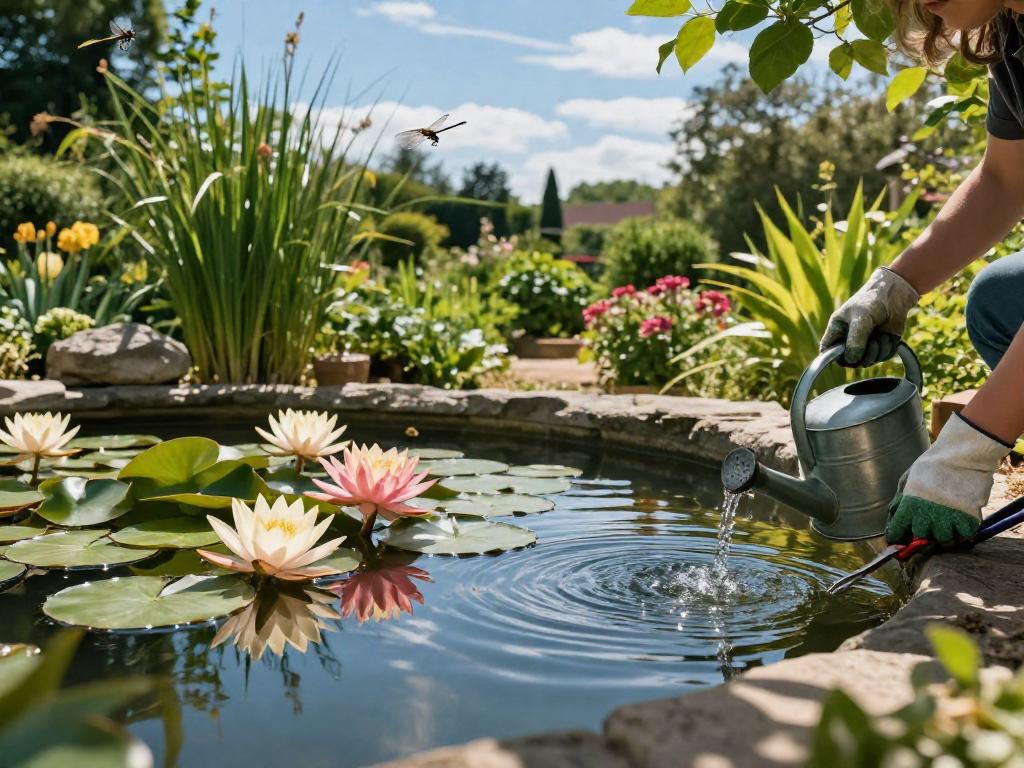
Seasonal care for water lilies varies depending on the climate. In cooler areas, it’s essential to prepare the plants for winter by lowering pots to deeper water. In warmer climates, ensure adequate nutrients and space for growth. Regular pruning of dead leaves and debris will keep the plants thriving and looking their best.
Future Trends in Aquatic Gardening (2026 and Beyond)
Innovative Techniques for Growing Water Lilies
As gardening practices evolve, so do techniques for cultivating water lilies. Emerging methods include aquaponics, where fish waste provides organic fertilizer for plants, creating a symbiotic relationship. Vertical gardening techniques are also being explored to maximize space and enhance aesthetics.
Integrating Technology in Aquatic Plant Care
The integration of technology in gardening is set to revolutionize aquatic plant care. Smart sensors that monitor water quality, temperature, and nutrient levels will help gardeners maintain optimal conditions for their water lilies. Additionally, automated systems could provide precise watering and nutrient applications, improving overall plant health and growth.
Predicted Changes in Gardening Preferences
As sustainability becomes a priority, the preference for native and low-maintenance aquatic plants, including water lilies, is expected to rise. Gardeners are likely to embrace practices that enhance biodiversity and support local ecosystems, reflecting a growing awareness of environmental responsibility.