Understanding Martial Arts Thriller: The Essentials
Defining the Martial Arts Thriller Genre
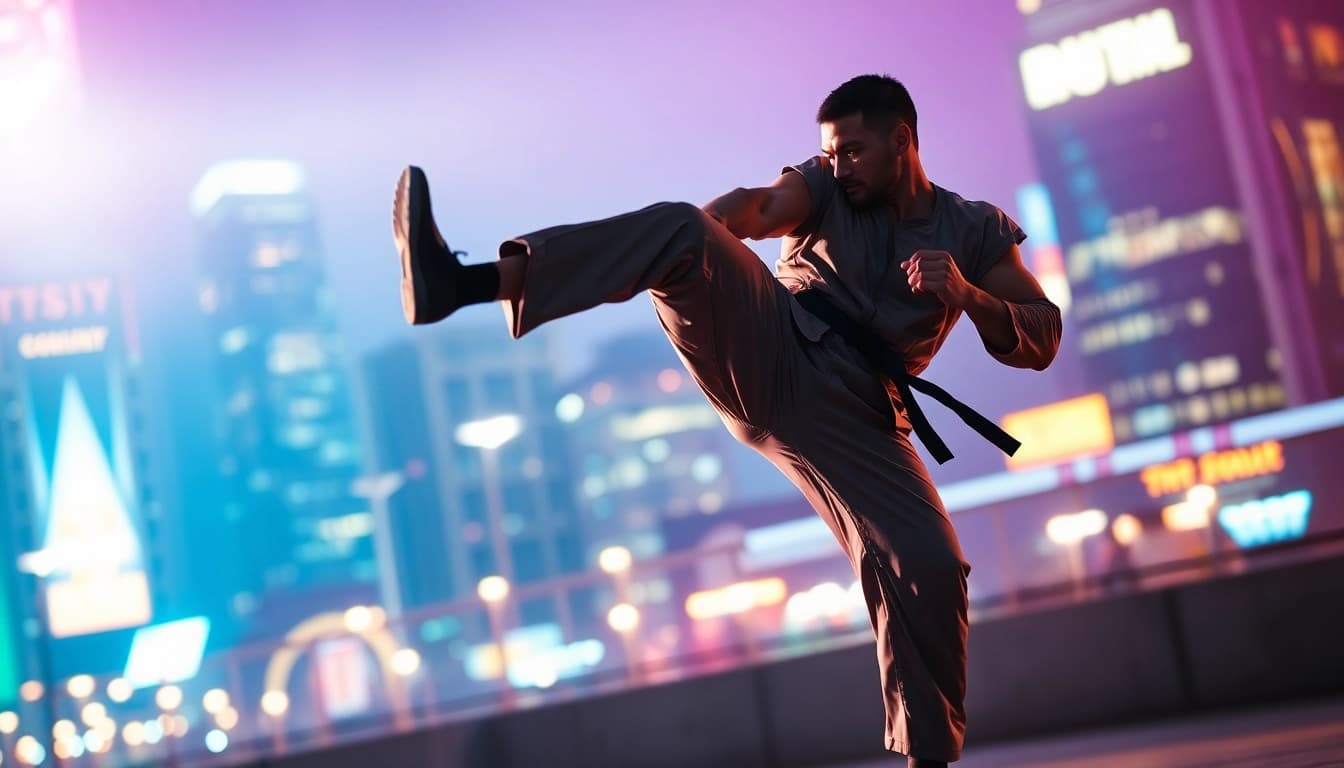
The Martial Arts Thriller genre encapsulates an electrifying mix of action, suspense, and martial arts artistry. This unique cinematic category merges the visceral energy of hand-to-hand combat and complex characters with the suspenseful narrative arcs characteristic of thrillers. Typically, martial arts thrillers feature protagonists who are highly skilled fighters, often navigating a treacherous world riddled with deception, danger, and high-stakes drama.
Fundamentally, a martial arts thriller is not merely about fight sequences; it is a genre that necessitates a rich tapestry of themes, character development, and storytelling techniques. The interjection of martial arts into the thriller format heightens tension and excitement, resulting in a compelling narrative experience that keeps audiences on the edge of their seats.
Key Elements of a Compelling Martial Arts Thriller
To create a truly riveting martial arts thriller, certain elements must come together harmoniously:
- Engaging Plot: A strong narrative arc is essential, often featuring a complex protagonist facing overwhelming odds. The plot should intertwine personal stakes with broader themes of justice, revenge, or redemption.
- Character Complexity: Well-rounded characters, particularly the hero and antagonist, are crucial. The hero often has a past that haunts them, while the antagonist must have relatable motivations that stem beyond mere villainy.
- Visceral Combat Choreography: The fight scenes should not only display technical prowess but also serve the story. Each fight should build character relationships, heighten stakes, or advance the plot, making them integral rather than gratuitous.
- Atmospheric Cinematography: The visuals play a vital role in establishing the mood. Dynamic camera movements, dramatic lighting, and carefully crafted settings enhance the viewer's immersion in the story.
- Tension Building: The apprehension of potential conflict must be woven throughout the narrative, using devices such as cliffhangers, unpredictable plot twists, and pacing that oscillates between high tension and quieter moments.
The Appeal of Martial Arts Thrillers in Cinema
The allure of martial arts thrillers lies in their ability to fascinate and captivate through intense physicality and emotional depth. Audiences are drawn to the duality of breathtaking fight choreography and the emotional journeys undertaken by the characters. Furthermore, these films often blend genres, allowing for extensive creative expression that transcends traditional boundaries, making them appealing to a wider audience.
Additionally, the cultural significance of martial arts resonates with many viewers, offering insights into philosophies that emphasize discipline, respect, and personal growth. The combination of these facets not only entertains but also leaves audiences inspired and engaged with the stories told on screen.
Notable Martial Arts Thrillers You Should Watch
Iconic Films That Defined the Genre
Several films have become benchmarks within the martial arts thriller genre. Here are some cornerstone titles:
- The Raid: Redemption - Known for its brutal yet artistic fight choreography, this film has set a high standard for martial arts thrillers, pushing the envelope with its intensity and creativity.
- Oldboy - This South Korean masterpiece merges thriller elements with martial arts, showcasing a complex narrative steeped in themes of vengeance and redemption.
- Kill Bill - Quentin Tarantino’s homage combines revenge motifs with striking visual aesthetics and choreography, cementing its place in the hearts of action and martial arts enthusiasts.
- The Protector - Featuring Tony Jaa, this film stands out for its breathtaking stunts and poignant story revolving around family and loyalty, which resonate deeply with viewers.
- Ip Man - This biographical film about the legendary Wing Chun master not only captivates with its fight scenes but also offers insight into his moral principles and struggles during wartime.
Emerging Titles in the Martial Arts Thriller Sphere
While iconic films have paved the way, newer titles are continuing to expand and innovate within the genre:
- John Wick Series - Combining gunplay with martial arts techniques, this series has refreshed the action genre, invigorating audiences with its unique cocktail of choreography and gripping narratives.
- The Night Comes For Us - This film showcases brutal fight scenes amid a narrative filled with tension, balancing action with emotional stakes that make for an unforgettable viewing experience.
- Fistful of Vengeance - Continuing the legacy of martial arts in modern cinema, this film brings fresh talent to the forefront, revitalizing interest in the genre with innovative storytelling.
What Makes These Films Stand Out?
The standout films in the martial arts thriller genre often share core principles that elevate them above their peers:
- Innovative Choreography: The best films integrate fight choreography that mirrors the emotional stakes of the narrative, making each conflict not only entertaining but meaningful.
- Strong Directorial Vision: Directors who understand the nuances of both storytelling and martial arts are better positioned to craft films that resonate on both visual and emotional levels.
- Character-Driven Stories: Successful martial arts thrillers emphasize character development, allowing the audience to forge connections with the protagonists as they navigate their challenges.
Character Development in Martial Arts Thrillers
The Hero's Journey: Common Tropes
In the realm of martial arts thrillers, the hero often embarks on a classic journey, facing adversities that test their physical and emotional limits:
The hero typically encounters a personal loss that propels them into action, whether it's avenging a loved one or seeking justice against oppressive forces. This foundational narrative not only adds depth but is crucial for audience investment.
Complex Antagonists: More than Just Villains
A hallmark of compelling martial arts thrillers lies in their portrayal of antagonists. Effective villains are not simply evil; they have well-defined motivations that may even elicit sympathy from the audience:
For example, some antagonists may have tragic backgrounds of their own, which can complicate the moral aspects of the story. This depth adds layers to the narrative, creating a thrilling dynamic between hero and foe.
Supporting Characters That Elevate the Story
Supporting characters play pivotal roles in enriching the protagonist’s journey:
They can serve as mentors, offering wisdom and guidance, while others may represent the stakes involved in the hero's journey. These characters often bring their individual arcs, fostering a more vibrant and interconnected narrative world.
Martial Arts Techniques That Enhance the Thrill
Popular Martial Arts Styles in Film
Various martial arts styles contribute to the diversity and excitement within the genre. Some notable styles include:
- Kung Fu: Celebrated for its fluid styles and flowing movements, Kung Fu often emphasizes both physical prowess and philosophical depth.
- Muay Thai: Known as the "Art of Eight Limbs," this style incorporates striking techniques that bring raw power and realism to fight sequences.
- Karate: With a focus on striking and discipline, karate scenes often blend elegance with aggression, making for aesthetically pleasing visuals.
- Capoeira: This Brazilian martial art mixes dance and combat, providing visually dynamic fight sequences that stand out due to their rhythmical nature.
Choreography and Cinematic Techniques
The choreography of fight scenes is crucial in martial arts thrillers, as it dictates the flow of tension and action. Effective choreography will:
- Enhance Storytelling: Each conflict should drive the narrative forward, using pacing, timing, and sequences to reveal character emotions and motivations.
- Utilize Cinematic Techniques: Effective use of camera angles, lighting, and editing can elevate fight scenes, creating a sense of immediacy and excitement.
Realism vs. Stylization in Fight Scenes
In successful martial arts thrillers, filmmakers often balance realism and stylization in fight scenes. While realism lends authenticity, stylization can enhance viewer engagement through cinematic visuals:
This balance leads to memorable sequences that resonate with audiences, facilitating an emotional connection to the characters’ struggles and triumphs.
The Future of Martial Arts Thrillers
Trend Analysis: What's Next for the Genre?
The future of martial arts thrillers looks promising, reflecting evolving audience tastes and industry innovations:
As the global interest in martial arts culture continues to rise, filmmakers are likely to diversify storytelling elements while harnessing contemporary themes and tapping into advanced technology for enhanced viewing experiences.
The Impact of Technology on Filmmaking
Advancements in technology offer filmmakers newfound tools to create visually stunning martial arts thrillers:
From utilizing virtual reality to develop immersive experiences to employing advanced CGI techniques that can augment traditional choreography, the possibilities are vast. This technological evolution will allow unique storytelling methods that could redefine the genre.
Potential Cross-Genre Collaborations
Cross-genre films combining martial arts with elements of science fiction, horror, or romance are increasingly prevalent:
Such collaborations have the potential to attract diverse audiences, broadening the genre’s appeal while introducing fresh narratives that heighten interest in martial arts thrillers. This blending of genres can create unique cinematic experiences that challenge conventions and ignite imaginations.