
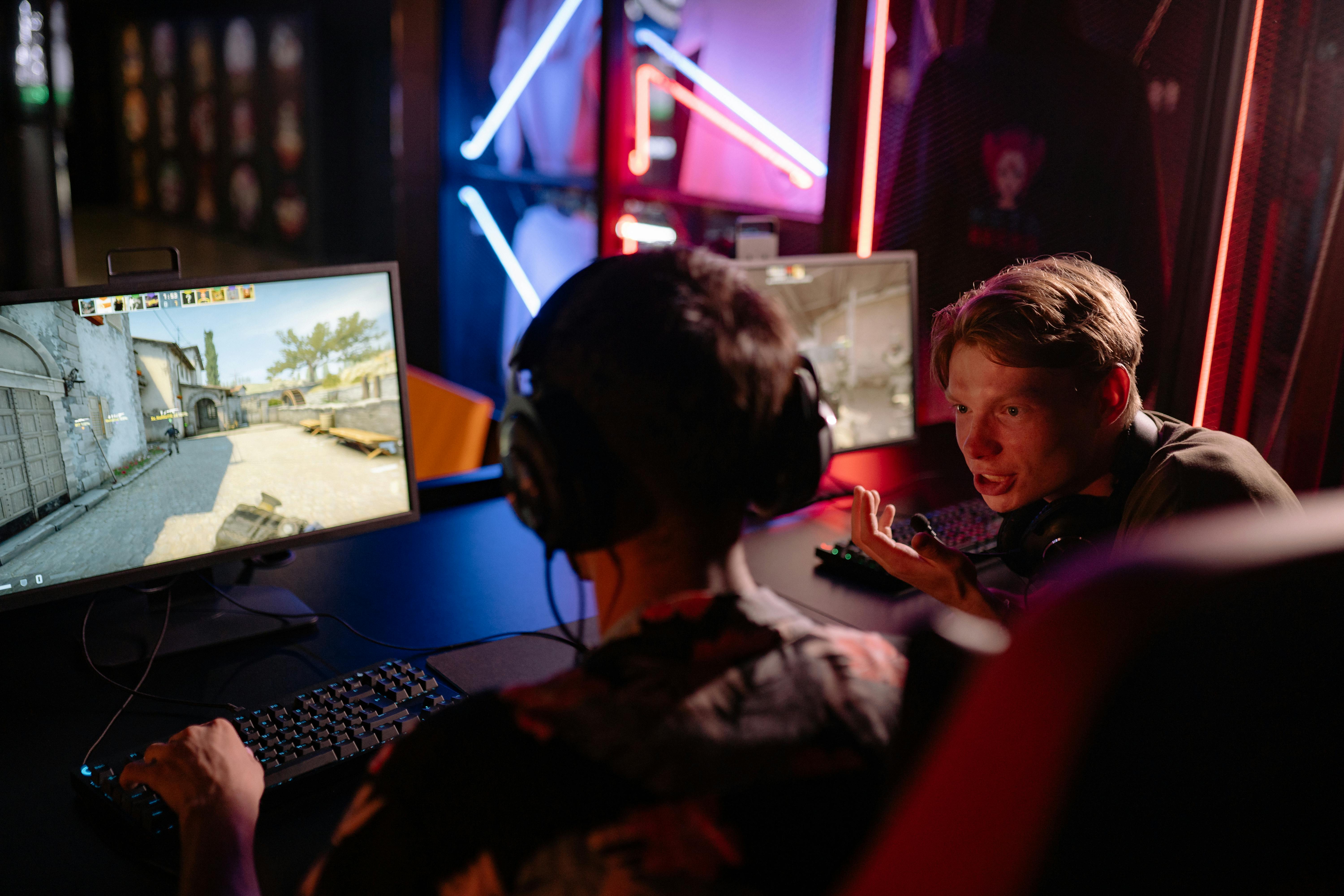
In today’s competitive gaming industry, delivering high-quality games to players is essential for success. One of the critical steps in ensuring a smooth gaming experience is outsourced game testing. This process allows game developers to focus on core development while external specialists handle quality assurance and testing. But what exactly is outsourced game testing, and how does it work? This article will explore the concept in detail and explain why it is a growing trend in the gaming world.
Understanding Outsourced Game Testing
Outsourced game testing is the practice of hiring external companies or freelance testers to evaluate a video game before its release. Unlike in-house testing, where developers rely solely on their internal QA teams, outsourcing allows for a fresh perspective and specialized expertise. These external testers examine various aspects of the game, including functionality, performance, compatibility, and user experience, ensuring that any issues are identified and resolved before launch.
The primary goal of outsourced game testing is to detect bugs, glitches, or inconsistencies that could negatively impact gameplay. It covers different testing types, such as functional testing, usability testing, performance testing, and security testing. By outsourcing these tasks, developers can maintain high-quality standards while reducing the time and resources required for in-house testing.
Benefits of Outsourced Game Testing
There are several key advantages to opting for outsourced game testing:
- Cost-Effectiveness: Maintaining an in-house QA team can be expensive. Outsourcing allows developers to pay for testing services as needed, reducing overhead costs.
- Access to Expertise: Specialized testing companies have experienced testers who understand various platforms, genres, and testing methodologies. This expertise ensures thorough and professional testing.
- Faster Time-to-Market: By delegating testing tasks to external teams, development cycles are accelerated. Outsourced game testing helps identify issues early, allowing for quicker fixes and a faster release schedule.
- Unbiased Feedback: In-house teams may overlook certain flaws due to familiarity with the game. External testers provide objective feedback, which is crucial for improving user experience.
- Scalability: Game testing needs can vary depending on the project size. Outsourced game testing allows developers to scale resources up or down without the constraints of hiring or downsizing staff.
How Outsourced Game Testing Works
The process of outsourced game testing typically involves several structured steps to ensure comprehensive coverage and accurate results.
1. Requirement Analysis
The testing company first analyzes the game’s requirements, target audience, platforms, and objectives. This step ensures that the testing plan aligns with the game’s specific needs.
2. Test Planning
A detailed test plan is created, outlining test scenarios, timelines, testing tools, and reporting procedures. The plan serves as a roadmap for the entire testing process.
3. Test Execution
Testers execute various test cases, simulating real-world scenarios to identify bugs, crashes, or performance issues. Outsourced game testing covers multiple platforms, devices, and operating systems to ensure consistency and compatibility.
4. Bug Reporting and Analysis
Identified issues are documented in detailed reports, including steps to reproduce, severity, and potential solutions. Developers use these reports to prioritize fixes and improvements.
5. Regression Testing
After developers address the reported issues, the testing team performs regression testing to ensure that previous bugs are resolved and no new issues have arisen. This step is critical for maintaining game stability.
6. Final Review
Once all testing phases are complete, the outsourced team delivers a comprehensive assessment of the game’s quality. This includes recommendations for final adjustments before release.
Key Considerations When Choosing an Outsourced Game Testing Partner
Selecting the right outsourced game testing partner is crucial for a successful collaboration. Here are some factors to consider:
- Experience and Expertise: Look for testers with a proven track record in your game genre and platforms.
- Communication: Effective communication ensures that bugs and feedback are accurately conveyed and acted upon.
- Testing Tools and Technologies: Ensure the partner uses advanced tools for bug tracking, performance analysis, and automation.
- Confidentiality: Protecting intellectual property is vital, so choose a partner who respects NDAs and security protocols.
- Flexibility: A reliable outsourced testing company should adapt to changing project requirements and deadlines.
Conclusion
Outsourced game testing has become an essential practice for game developers aiming to deliver high-quality, bug-free gaming experiences. By leveraging the expertise of external testers, developers can identify and resolve issues faster, reduce costs, and ensure objective feedback that enhances overall gameplay. From requirement analysis to final review, the structured process of outsourced game testing ensures that games meet industry standards and player expectations. As the gaming industry continues to grow, partnering with a professional outsourced testing team is no longer just an option but a strategic move to achieve competitive advantage and player satisfaction.