The Evolution of the S8: A Look Back
The Samsung Galaxy S8 marked a significant milestone in the evolution of smartphones when it was released in 2017. With a sleek design, innovative features, and impressive specifications, the S8 set a new standard for what consumers expected from their devices. As we journey back to examine its impact, we can appreciate how it influenced both the market and the paradigm of smartphone design. Furthermore, it remains a point of interest in today’s tech landscape, particularly for those exploring options at S8.
The Introduction of the S8: Key Features and Innovations
The Galaxy S8 introduced a variety of groundbreaking features. Firstly, the stunning 5.8-inch Infinity Display provided an immersive viewing experience, extending nearly to the device's edges with minimal bezel. This design was not just aesthetically pleasing; it also improved functionality by allowing for more screen space in a compact device. Moreover, the S8 was powered by either the Qualcomm Snapdragon 835 or Samsung's own Exynos 8895 processor, depending on the region, which ensured quick and efficient performance.
Its camera capabilities were also noteworthy. The rear camera featured a 12 MP sensor with dual pixel technology, enabling rapid autofocus and stunning low-light performance. Meanwhile, the 8 MP front-facing camera added another layer of functionality, appealing to selfie enthusiasts and those who frequently utilized video calls.
Additional innovations included the introduction of Bixby, Samsung's virtual assistant, and the support for facial recognition and iris scanning, which provided users with new ways to unlock their devices securely.
Consumer Reception and Market Impact
Upon its launch, the Galaxy S8 received overwhelmingly positive reviews. Critics and consumers alike praised its performance, design, and features. According to a review from TechRadar, the S8 "offered a huge leap in design and performance," highlighting the shift in smartphone aesthetics towards a more modern, sleek look.
This positive reception translated into strong sales, with Samsung reporting that the S8 and its larger sibling, the S8+, collectively sold over 20 million units within just a few months of their release. The S8's success helped Samsung regain its footing following the Note 7 debacle, restoring consumer confidence in the brand.
How the S8 Changed Smartphone Design
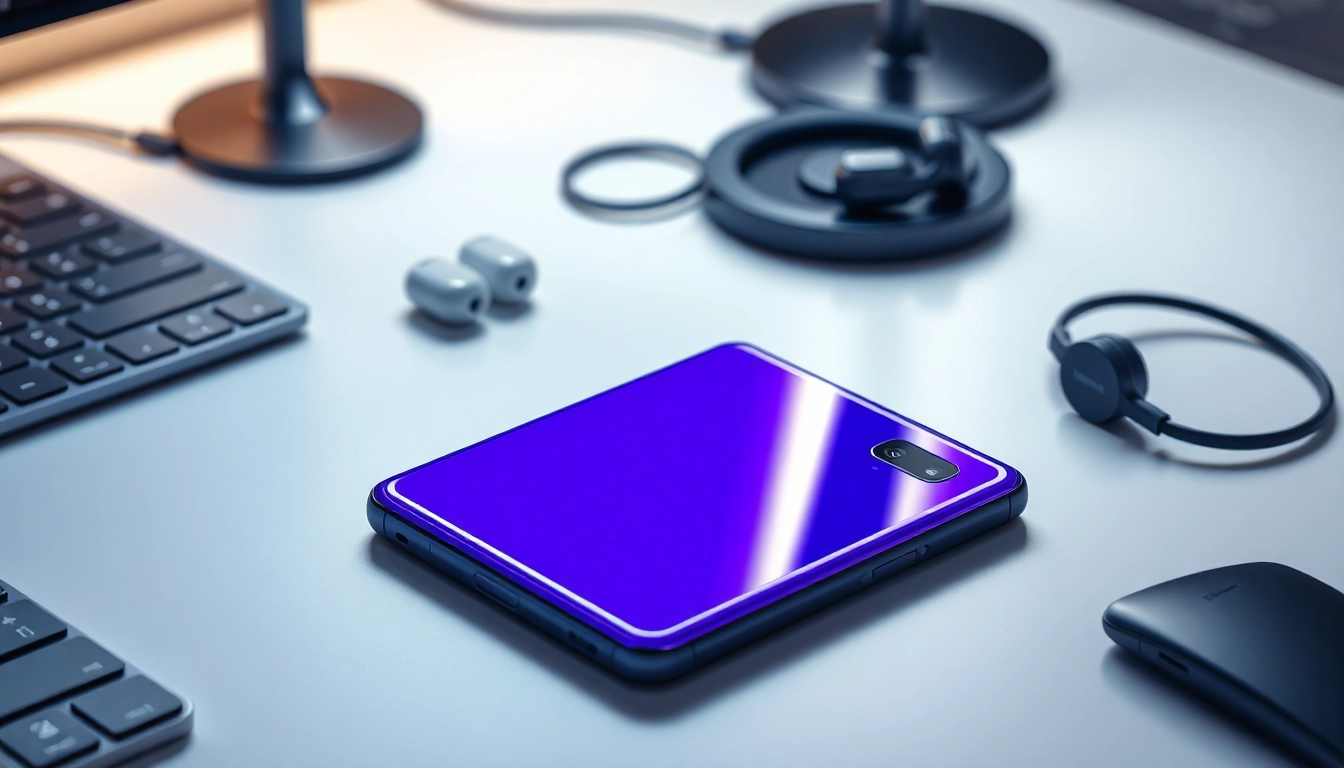
The design of the S8 revolutionized the smartphone industry. Prior to its release, many phones featured traditional designs with well-defined bezels and physical home buttons. However, Samsung's decision to adopt the edge-to-edge display set a new standard that many competitors would follow in the years to come.
Additionally, the shift away from physical buttons towards touch interfaces and gestures opened new avenues for user interaction. As a result, most smartphones released post-S8 have adopted similar design philosophies, focusing on maximizing screen space while maintaining ergonomic usability.
Current Relevance of the S8 in 2025
Fast forward to 2025, and the Galaxy S8 still garners interest among tech enthusiasts and budget-conscious buyers. As newer models flood the market with advanced features, the question arises: Is the S8 still a worthwhile purchase? The answer depends largely on the user's needs and priorities.
Is the S8 Still Worth Purchasing in 2025?
While the Galaxy S8 was a landmark device in its time, by 2025, it faces stiff competition from modern smartphones that offer enhanced features, better performance, and longer software support. Users looking for a reliable, budget-friendly smartphone might still find value in purchasing an S8, particularly if they prioritize design and basic functionality over cutting-edge features.
However, as newer software updates become scarce, and the device's hardware becomes increasingly outdated, it may not serve the needs of power users or those keen on leveraging the latest technology.
Comparing the S8 with Contemporary Smartphones
When compared to contemporary models like the Galaxy S23, the differences become stark. Modern smartphones boast improved camera systems, faster processors, and advanced features such as 5G capabilities and enhanced security measures. For instance, the latest models typically include enhanced night mode photography and AI-driven camera functionalities that the S8 lacks.
In terms of performance, today's smartphones are designed to handle more demanding applications and multitasking capabilities with ease. The S8, while still functional, may struggle with the latest software demands, affecting the overall user experience.
Common Misconceptions About the S8 Today
Despite its age, several misconceptions persist about the Galaxy S8. One common belief is that the device lacks the necessary features to function adequately in today's environment. In reality, the S8 still performs well for basic tasks, including web browsing, social media, and standard applications. Users should understand that while it may not support the latest apps or features, it remains a capable device for more straightforward use cases.
Another misconception is regarding its battery life. While the S8's 3000 mAh battery may not compete with modern alternatives, many users report that it still performs admirably under routine use, especially when battery optimization settings are employed.
Technical Specifications: What Makes the S8 Stand Out?
Delving deeper into the technical specifications, the Galaxy S8 stands out due to its attention to detail and robust capabilities, which are still relevant in various user contexts today.
Display Quality: The Infinity Screen Experience
The Infinity Display of the S8 remains one of its most attractive features. With a resolution of 2960 x 1440 pixels, the Super AMOLED display offers vibrant colors and deep blacks, contributing to an immersive viewing experience for everything from videos to games. This quality still holds up against modern displays, making it a compelling choice for media consumption.
Performance Metrics: Evaluating Speed and Efficiency
Equipped with 4GB of RAM and options of either 64GB or 128GB of onboard storage (expandable via microSD), the S8 provides adequate performance for most everyday tasks. Although newer models sport improved RAM and storage options, the S8's efficiency is commendable for general usage, as its octa-core processor handles applications and multitasking without significant lag.
Camera Capabilities: Photography with the S8
The camera system of the Galaxy S8, while not on par with contemporary high-end smartphones, still delivers impressive results for casual photography. The 12 MP rear camera with optical image stabilization captures sharp images in various lighting conditions. Additionally, features such as Pro Mode and various shooting modes allow users to customize their photography experience. If you’re not a professional photographer, the S8’s camera will likely meet your needs without issue.
User Experience: Real-Life Applications of the S8
The practical applications of the Galaxy S8 illustrate its usability in everyday situations, even in today’s fast-paced digital environment.
Everyday Usage: How the S8 Meets Daily Needs
For daily tasks, the S8 holds its ground remarkably well. Users can check emails, browse social media, and navigate with GPS reliably. Furthermore, its compact size ensures that it fits comfortably in the hand, making it a practical choice for users who prefer a smaller device. Notifications, emails, and social media updates are easily managed with the S8's intuitive interface.
Best Apps to Maximize Your S8 Experience
To get the most out of the S8 experience, users can explore various apps optimized for older devices. Lightweight applications like Facebook Lite or Instagram Lite help maintain social connectivity while minimizing resource use. Additionally, productivity apps like Microsoft Office and Google Workspace perform well on the S8, allowing users to work efficiently on the go.
Tips for Optimizing Performance on the S8
To ensure the best experience with the Galaxy S8, users can follow several simple optimization tips:
- Limit Background Apps: Close apps running in the background to free up RAM and improve performance.
- Regularly Clear Cache: Cleansing app cache can enhance speed and responsiveness.
- Use Battery Saver Mode: This feature can help prolong battery life during heavy usage days.
- Update Apps and OS: Although major updates may be limited, keeping apps updated helps maintain security and functionality.
Future Trends: The Path Ahead for Smartphone Innovation
As we look toward the future, the smartphone industry continuously evolves, developing new trends that enhance user experiences.
What’s Next for Samsung Beyond the S8?
Samsung continues its innovation journey with devices like the Galaxy S series and Note series, focusing on foldable technology and AI integration to enhance user interfaces. The forthcoming Galaxy models are expected to feature even more advanced cameras, improved battery technology, and substantial processing power to handle future software demands.
Emerging Technologies in the Smartphone Industry
Several emerging technologies are poised to redefine the smartphone landscape. Developments in 5G connectivity promise to enhance mobile broadband speeds, while advancements in battery technology aim to reduce charge times and extend device longevity. Additionally, the integration of augmented reality (AR) and virtual reality (VR) capabilities offers exciting prospects for interactive applications in gaming, education, and virtual work.
Predictions for Smartphone Design in 2025 and Beyond
Looking ahead, smartphone design will likely continue to evolve towards more sustainable materials and concepts. The trend of seamless designs with hidden cameras and components will likely become more prevalent, alongside the potential for even more durable and water-resistant devices. Furthermore, as consumers become increasingly environmentally conscious, manufacturers may focus on creating repairable and recyclable devices, redefining the lifecycle of smartphones.