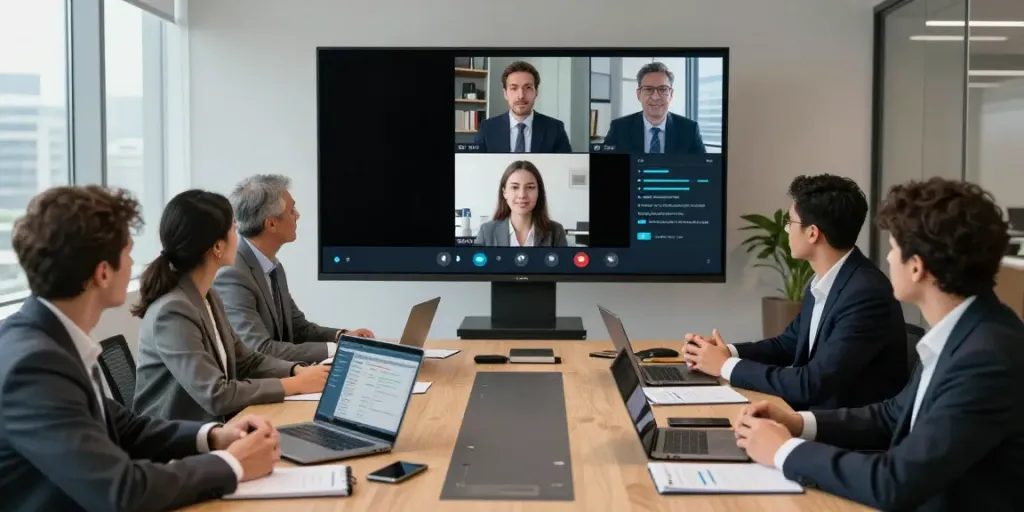
Understanding Deepfake Technology in Meetings
As organizations increasingly rely on virtual meetings, ensuring the integrity of these interactions becomes paramount. Deepfake technology has emerged as a significant threat, posing risks to both personal and organizational security. With advancements in artificial intelligence, malicious actors can create convincing counterfeit videos and audio that can impersonate real individuals during important discussions. The implications are staggering, from financial losses to reputational damage. In this context, Deepfake-protected meetings have become essential to safeguard against these evolving threats, enabling businesses to maintain trust and reliability in their communications.
What Are Deepfake-Protected Meetings?
Deepfake-protected meetings refer to virtual or hybrid meetings that incorporate advanced technologies and protocols designed to identify and mitigate deepfake threats. These protections can range from sophisticated AI-driven detection systems to established best practices that ensure meeting participants are who they claim to be. In an era where virtual presence is standard, these measures are critical for maintaining authenticity and trust during digital interactions.
Common Risks and Threats of Deepfakes in Professional Settings
The rise of deepfake technology has introduced various risks that organizations must navigate. Some of the most pressing threats include:
- Impersonation and Fraud: Hackers can use deepfakes to impersonate executives or colleagues, potentially leading to unauthorized access to sensitive information or financial resources.
- Reputation Damage: Misinformation spread through deepfake videos can tarnish an organization's image and erode client trust.
- Data Breaches: With realistic impersonations, attackers may gain access to secure environments, leading to significant data breaches.
How Deepfake Technology Works
Deepfake technology utilizes advanced AI algorithms, particularly generative adversarial networks (GANs), to create fake images, audio, and videos that can deceive viewers. By analyzing a subject's facial expressions and voice patterns, these algorithms can generate convincing content that appears authentic. This capability creates challenges in identifying genuine content, as the line between real and fabricated is increasingly blurred.
Best Practices for Securing Meetings Against Deepfakes
Implementing Authentication Measures
To combat the threats posed by deepfakes, organizations should implement rigorous authentication measures. Using secure login procedures, such as multi-factor authentication (MFA) and unique meeting IDs, can significantly reduce the risk of unauthorized access. Establishing protocols for participant verification, such as requiring video feeds to be turned on, can further enhance security during meetings.
Utilizing AI Tools for Real-Time Detection
Harnessing AI tools capable of real-time deepfake detection is essential for organizations aiming to secure their meetings. These tools analyze visual and auditory inputs for inconsistencies commonly associated with deepfake technology. For instance, discrepancies in facial movements, unnatural eye blinking, and audio-visual synchronization issues can indicate a deepfake, enabling swift action to counter this threat.
Training Employees on Deepfake Awareness
Employee training is a critical element of any deepfake mitigation strategy. Educating staff about the potential risks and how to recognize deepfake indicators can empower them to identify and report suspicious content effectively. Regular workshops and training sessions will help create a culture of awareness, reducing the likelihood of falling victim to deepfake scams.
Strategies for Effective Deepfake-Protected Meetings
Choosing the Right Video Conferencing Software
Selecting video conferencing software with built-in security features is crucial for hosting deepfake-protected meetings. Look for platforms that offer robust encryption, user authentication, and integrated AI detection tools. Researching and comparing available solutions will help organizations find a software environment that aligns with their security requirements.
Setting Up Secure Meeting Environments
Establishing secure meeting environments involves more than just choosing the right platform. Organizations should set guidelines for meeting etiquette, such as requiring password protection for each session and limiting screen sharing capabilities to trusted participants. Ensuring that all devices used to join meetings are secured with up-to-date anti-virus software will further reduce risks.
Establishing Protocols for Identifying Deepfakes
Creating clear protocols for identifying deepfake content during meetings can enhance security. This might include having a designated moderator who can verify participant identities and monitor for suspicious activity. Additionally, establishing a checklist for assessing visual and audio elements can prepare employees to recognize potential deepfakes before they impact the meeting's integrity.
Real-World Examples of Deepfake Mitigation
Case Studies of Successful Implementations
Several organizations have successfully implemented deepfake protection measures. For example, a global financial institution integrated AI-driven detection tools in their video conferencing system, resulting in a marked decrease in impersonation attempts. Furthermore, their employee training program on recognizing deepfake cues has increased their overall security awareness.
Lessons Learned from Deepfake Incidents
Incidents where organizations suffered from deepfake attacks highlight the necessity of proactive measures. One notable case involved a company that experienced a significant financial loss due to an executive being impersonated in a video meeting. This incident underscored the importance of robust verification processes and rapid response strategies in addressing deepfake threats.
Innovative Solutions in the Industry
The tech industry continuously evolves to combat deepfake technology. Innovations include plug-ins for existing video conferencing tools that offer real-time detection of manipulated media and collaborative platforms designed specifically for secure virtual interactions. By staying informed about these trends, organizations can enhance their defenses against deepfake threats.
The Future of Deepfake-Protected Meetings
Emerging Technologies and Trends for 2026
As we look toward 2026, several emerging technologies will play a pivotal role in sustaining deepfake-protected meetings. Advances in biometric authentication, such as facial recognition and voice recognition technologies, will improve security layers in virtual meetings. Furthermore, machine learning algorithms will become increasingly adept at detecting subtle discrepancies in video feeds.
How to Adapt to Evolving Threats
Organizations must remain agile and ready to adapt to new and evolving deepfake threats. Continuous monitoring of security trends, active participation in industry forums, and staying updated with the latest AI developments will equip businesses to defend against future risks effectively. Regular audits of security protocols will help identify gaps and adapt strategic responses.
Expert Insights on Staying Ahead of Cybersecurity Risks
Cybersecurity experts emphasize the need for a multi-faceted approach to combating deepfake threats. This includes not only employing advanced technologies but also fostering a culture of security awareness within the organization. Engaging with cybersecurity professionals and participating in workshops on emerging technologies will prepare organizations for the landscape's challenges.
What Should Organizations Do Today?
Organizations should take immediate action to establish a foundation for deepfake protection. Conducting a thorough risk assessment, implementing necessary security protocols, and investing in AI detection tools are essential steps. Furthermore, engaging employees through training programs and regular updates will cultivate a proactive security culture, ensuring that everyone is equipped to deal with potential deepfake threats.
Are Deepfakes Actually Illegal?
The legality of deepfakes is a complex issue that varies by jurisdiction. While the creation and distribution of malicious deepfakes can violate laws related to fraud and defamation, the broader legal landscape remains in flux. Organizations should stay informed about the evolving legal frameworks regarding deepfakes to navigate compliance and avoid potential liabilities.
What Does Deepfake Protection Mean?
Deepfake protection encompasses various strategies and technologies aimed at safeguarding individuals and organizations from the risks associated with deepfake technology. This includes prevention mechanisms, detection systems, and protocols designed to verify the authenticity of participants in virtual settings.
What States Allow Deepfakes?
While no states explicitly allow deepfakes, several jurisdictions are enacting laws targeting the malicious use of synthetic media. These laws typically seek to combat impersonation and fraud while protecting individuals from defamation. It's vital for organizations to be aware of local regulations and ensure compliance with any applicable laws.