Understanding Millipedes: Insight into Their Behavior and Habitat
What Are Millipedes?
Millipedes are elongated arthropods belonging to the class Diplopoda, characterized by their numerous bodies and pairs of legs—typically two pairs per segment. Despite their name, which suggests they possess a thousand legs, most millipede species have between 30 to 400 legs depending on their species. Millipedes are often mistaken for centipedes, but they are distinct in numerous ways, primarily in their anatomy and behavior. They are herbivorous scavengers that feed on decaying plant material, making them essential for soil health.
Common Habitats of Millipedes
Millipedes thrive in moist environments and can typically be found under leaf litter, rotting wood, and other organic debris in forests, gardens, and even urban landscapes. They prefer dark, humid conditions, which makes their presence more common in basements, crawl spaces, and gardens. Understanding these habitats is crucial for effective millipede control treatment strategies, as improving the environment can minimize infestations.
Seasonal Behavior Patterns of Millipedes
Millipede activity varies with the changing seasons. They are particularly active during spring and fall, coinciding with warmer temperatures and increased moisture. In these seasons, adult millipedes emerge to reproduce, resulting in noticeable population spikes. During the summer, they may burrow deeper into the soil to escape the heat, while in winter, many species become dormant if temperatures drop significantly. Recognizing these patterns can help homeowners anticipate potential infestations.
Preventive Measures for Millipede Infestations
Best Practices for Yard Maintenance
Preventing millipede infestations starts with proactive yard maintenance. Regularly remove organic debris such as fallen leaves and grass clippings, as these provide excellent hiding spots. Maintaining proper drainage in your yard can also reduce moisture accumulation, discouraging millipedes from nesting. It’s advisable to keep mulch layers no thicker than two inches, as deep mulch provides ideal conditions for millipedes. Additionally, consider planting native species that require less water and can help balance the garden ecosystem.
Structural Integrity Checks to Limit Entry
Ensure the physical integrity of your home to limit millipede entry. Seal cracks and gaps around windows, doors, and foundations with caulk. Installing door sweeps and window screens helps keep these pests at bay. Pay particular attention to moisture-prone areas like basements and crawl spaces, where millipedes often seek refuge during dry seasons.
Natural Deterrents and Barriers
Incorporating natural deterrents can enhance your defensive strategies against millipedes. Diatomaceous earth, a fine powder made from fossilized algae, can be spread around entry points and pathways. When millipedes crawl over it, the substance damages their exoskeleton and dehydrates them. Other deterrents include cinnamon, essential oils like peppermint or cedarwood, and even the use of citrus oil sprays, which are unpleasant for millipedes and can inhibit their movement.
Choosing the Right Millipede Control Treatment
Types of Chemical vs. Organic Treatments
When it comes to millipede control treatment, homeowners have a choice between chemical and organic options. Chemical treatments typically involve insecticides designed to target millipedes directly. On the other hand, organic treatments focus on using natural ingredients, which can be less harmful to the environment and non-target species. Understanding the specific needs and conditions of your property can help you choose the right treatment, ensuring effectiveness while considering ecological impact.
Safety Measures When Using Treatments
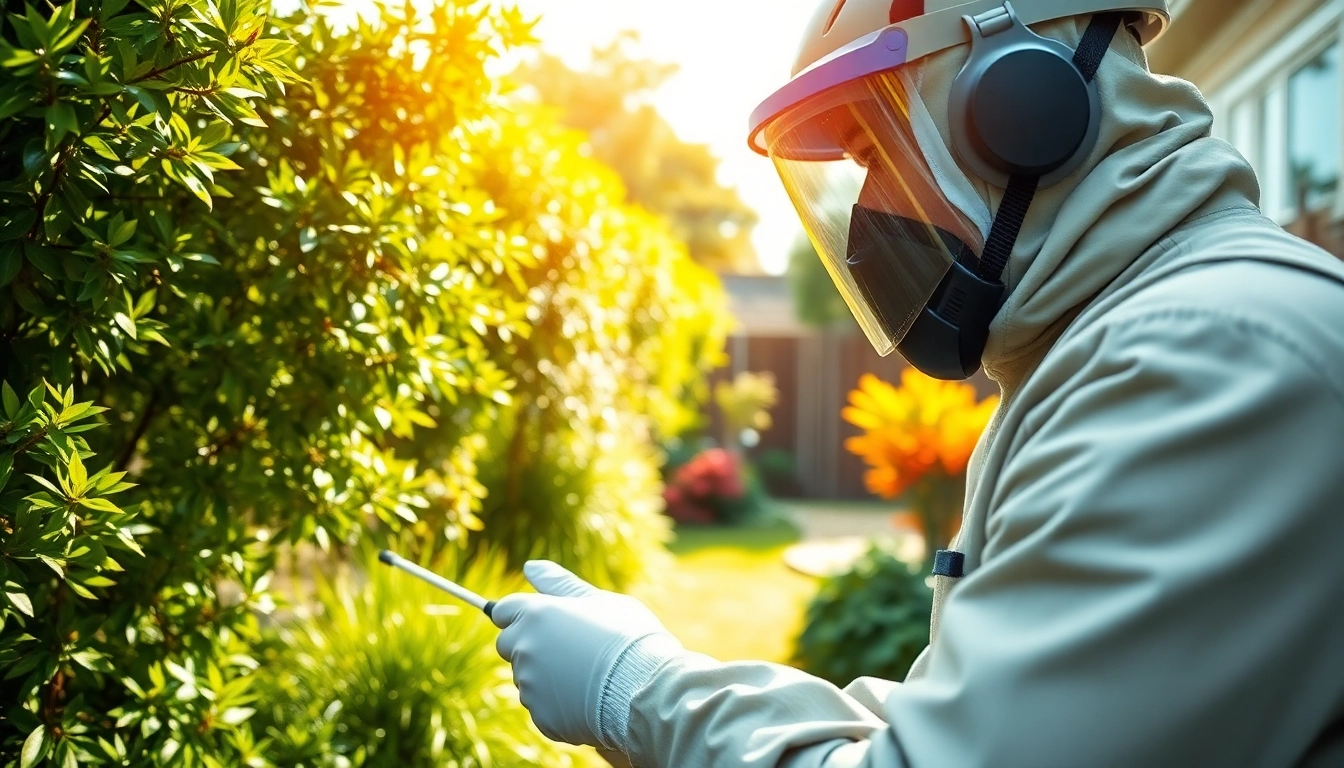
If opting for chemical treatments, safety should be a priority. Always read and follow label instructions for any pesticide. Use gloves and protective eyewear, and ensure proper ventilation if applying indoors. Keep pets and children away from treated areas for the recommended period. Consider using organic options if safety is a significant concern, as these generally have a lower risk profile.
How to Apply Control Treatments Effectively
Correct application methods significantly influence the success of your chosen millipede control treatment. For liquid treatments, evenly coat areas where millipedes are likely to enter, focusing on entry points and potential nesting sites. Granular treatments should be applied along foundations and other vulnerable areas. Timing is also important; applying treatments during peak millipede activity (spring and fall) can optimize effectiveness. Regular monitoring of treated areas can help assess the treatment's success and inform future applications.
Monitoring and Evaluation After Treatment
Signs of Successful Millipede Control
Determining the success of your millipede control efforts can be gauged by monitoring several key indicators. A noticeable reduction in the number of millipedes found indoors suggests effective treatment. Additionally, the decrease in sightings in surrounding garden areas or near entry points indicates that preventive measures are working. Look out for any millipede egg clusters, as their absence is another positive sign of control.
When to Reapply Millipede Control Treatment
Reapplication of treatments is necessary if millipedes are sighted again, especially following rainstorms that can drive them indoors. Follow product guidelines for suggested reapplication intervals. In general, you may want to repeat treatments every few weeks if the threat persists, especially during peak activity seasons.
Tracking Long-term Pest Management
Long-term management of millipede populations requires an integrated approach that includes ongoing monitoring and adjustments based on observed trends. Keeping a pest journal can help track sightings, treatments applied, and seasonal patterns. This data can inform future control measures and lawn and garden maintenance strategies. Regular checks, combined with a focus on best practices, can minimize the likelihood of future infestations.
Frequently Asked Questions About Millipede Control Treatment
What attracts millipedes to my home?
Millipedes are typically attracted to moist environments and decaying organic matter. They may enter homes seeking refuge from dry conditions or searching for food.
Are chemical treatments safe for pets?
Many chemical treatments can be harmful to pets. Always read product labels and ensure pets are kept away from treated areas until it's safe to return.
How long does treatment last?
Duration of effectiveness varies by product type but is generally a few weeks to several months. Follow manufacturer guidelines for specifics.
Can I use homemade solutions?
Yes, homemade solutions using simple ingredients, like vinegar or diatomaceous earth, can be effective, though results may vary compared to commercial products.
What if the infestation persists?
If millipedes continue to be a problem after treatment, consider seeking professional pest management advice for a comprehensive solution tailored to your situation.