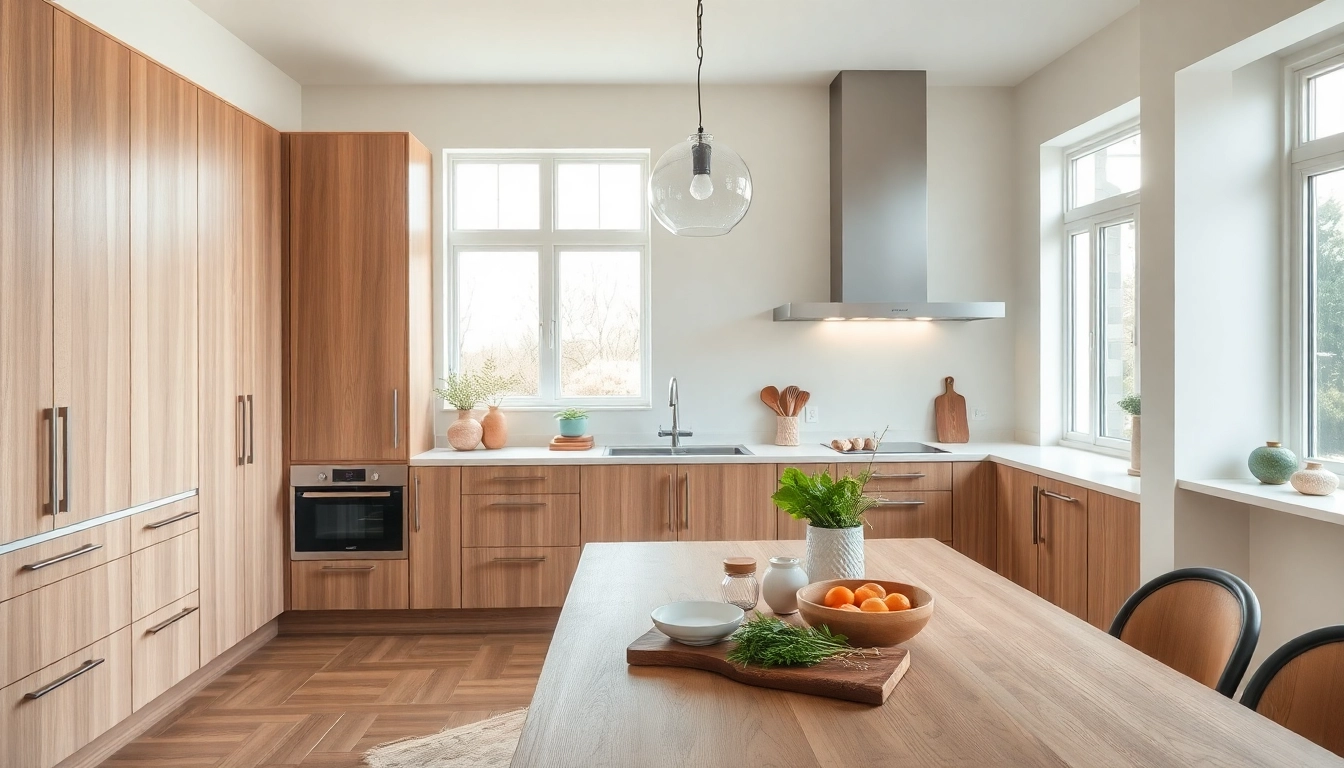
Understanding Custom Kitchen Cabinets
What Are Custom Kitchen Cabinets?
Custom kitchen cabinets are tailor-made cabinetry solutions designed to fit your specific kitchen dimensions, style, and storage requirements. Unlike stock cabinets, which come in standard sizes and designs, custom cabinets are built from scratch to meet the unique needs of your space. They allow homeowners to choose the materials, finishes, and features that best complement their interior design. This personalized approach not only enhances the kitchen's functionality but also contributes to a cohesive aesthetic.
Benefits of Custom Kitchen Cabinets
Investing in custom kitchen cabinets offers numerous advantages:
- Personalization: Every detail can reflect your style, ensuring the cabinetry matches your taste.
- Maximized Space: Custom designs can utilize every inch of your kitchen, providing storage solutions that fit perfectly.
- Durability: High-quality materials and construction techniques lead to longer-lasting cabinets.
- Increased Home Value: Custom cabinets can enhance the market appeal of your home.
- Functionality: Designed with your workflow in mind, they provide improved accessibility and usability.
Materials Used in Custom Kitchen Cabinets
The choice of materials for custom kitchen cabinets significantly impacts their appearance, durability, and functionality. Common options include:
- Hardwoods: Species such as oak, maple, and cherry offer timeless beauty and durability.
- Plywood: Versatile and stable, plywood is commonly used for cabinet boxes.
- Laminate: Available in various colors and patterns, laminate can mimic natural materials.
- Medium Density Fiberboard (MDF): Smooth and easy to paint, MDF is often used for doors and drawer fronts.
- Metal: Incorporating metal elements can add industrial charm and resilience.
Choosing the Right Design
Popular Styles of Custom Kitchen Cabinets
The design of your custom kitchen cabinets can significantly influence the overall look of your kitchen. Here are some popular styles:
- Shaker Style: Known for its simple, clean lines, Shaker cabinets are versatile and complement various décor styles.
- Modern: Characterized by sleek surfaces and minimalist designs, modern cabinetry often features flat panel doors.
- Traditional: Ornate details, raised panels, and rich wood finishes define traditional cabinets.
- Rustic: Emphasizes natural wood finishes and distressed textures, perfect for a cozy feel.
- Transitional: A blend of traditional and modern elements, this style offers flexibility in design.
Color Selection for Custom Kitchen Cabinets
The color of your cabinets can set the tone for your kitchen. Consider these tips for selecting the right color:
- Neutral Shades: White, gray, and beige are timeless and versatile options that can suit various styles.
- Bold Colors: Deep blues, forest greens, or even black can make a striking statement.
- Two-Tone Solutions: Combining different colors can add depth and interest to the space.
- Natural Finishes: Keep the wood’s natural color to highlight its beauty and texture.
- Trends: Stay updated on color trends, but ensure your choice aligns with your long-term vision.
How to Mix and Match Cabinet Designs
Mixing and matching cabinet styles and finishes can create a unique kitchen design. Here’s how to do it effectively:
- Choose a Dominant Style: Select one style to dominate your space while incorporating other elements sparingly.
- Maintain Cohesion: Use a consistent color palette or material to tie the different designs together.
- Vary Cabinet Heights: Incorporate taller cabinets with shorter ones to create visual interest.
- Incorporate Open Shelving: This can break up solid cabinetry and create an airy feel.
- Focus on Functionality: Ensure that the mix enhances the usability of your kitchen layout.
Measuring and Planning
Measuring Your Kitchen Space for Custom Cabinets
Accurate measurements are vital when designing custom kitchen cabinets. Follow these steps:
- Measure the Length: Use a tape measure to determine the length of each wall where cabinets will be installed.
- Check the Height: Measure from the floor to the ceiling to establish maximum cabinet height.
- Consider Depth: Standard cabinet depth is 24 inches, but adjustments may be necessary depending on design.
- Account for Windows and Doors: Note their locations and sizes to avoid obstruction.
- Note Electrical and Plumbing Outlets: Identify where outlets are located for appliances and lighting.
How to Plan Your Custom Kitchen Layout
Planning your layout is crucial for functionality. Here's a practical approach:
- Work Triangle: Ensure the stove, sink, and refrigerator form an efficient work triangle.
- Zoning: Group similar activities together, such as cooking, cleaning, and prep areas.
- Flow: Consider the natural flow of movement through the kitchen to avoid congestion.
- Accessibility: Make frequently used items easy to reach, ensuring efficiency.
- Design for Growth: Plan for future needs, such as expanding family or entertaining.
Creating a Budget for Custom Kitchen Cabinets
Understanding the costs associated with custom kitchen cabinets is essential for budgeting:
- Material Costs: Higher quality materials will typically cost more but provide better durability.
- Labor Costs: Professional installation may incur additional fees; include this in your budget.
- Design Fees: If hiring a designer, factor in their fees for planning and design services.
- Contingency Fund: Set aside an extra 10-20% for unexpected expenses during installation.
- Timelines: Consider the time your project will take, as longer durations may increase costs.
Installation Process
Professional vs. DIY Installation
Choosing between professional and DIY installation depends on your skills and the complexity of your project:
- Professional Installation: Offers expertise and ensures a perfect fit, saving time and potential headaches.
- DIY Installation: Can be cost-effective if you have experience, but it requires careful measuring and planning.
- Hybrid Approach: Some homeowners mix both by hiring professionals for challenging tasks while managing simpler installations themselves.
- Permits: Ensure you understand local regulations regarding permits, especially for plumbing or electrical work.
- Tools Required: Have the right tools on hand for either method to avoid delays.
What to Expect During Installation
The installation process can vary based on your approach, but typically includes these stages:
- Preparation: The area should be cleared and prepped before cabinets arrive.
- Delivery: Ensure delivery is coordinated so that cabinets are handled carefully.
- Assembly: If required, the cabinet parts are assembled on-site to begin installation.
- Leveling: Cabins must be leveled to ensure doors close properly and drawers function smoothly.
- Finishing Touches: Handles, knobs, and any additional hardware are installed to complete the process.
Tips for a Smooth Installation of Custom Kitchen Cabinets
To ensure a hassle-free installation, consider these practical tips:
- Timelines: Schedule installations for a time when you have sufficient availability.
- Document Everything: Keep a record of dimensions, designs, and materials for future reference.
- Communicate Clearly: Provide installers with any specific needs or preferences beforehand.
- Quality Checks: Inspect all components upon delivery to address any issues immediately.
- Stay Informed: Have an understanding of the process to facilitate informative discussions with your contractor.
Maintaining Your Custom Kitchen Cabinets
Cleaning and Care for Custom Kitchen Cabinets
Regular care can significantly extend the life of your cabinets. Keep these tips in mind:
- Use Gentle Cleaners: Opt for mild soap and water or specially formulated cabinet cleaners.
- Avoid Harsh Chemicals: Keep away from abrasive or acidic cleaners that can damage the finish.
- Microfiber Cloths: Use soft cloths to prevent scratches while cleaning.
- Wipe Spills Promptly: Clean any spills immediately to prevent staining or warping.
- Dust Regularly: Routine dusting will keep surfaces looking their best and prevent buildup.
Repairing Common Issues with Custom Cabinets
Even with the best care, issues may arise. Here’s how to handle common problems:
- Dents and Scratches: Minor damage can often be fixed with wood filler or sanding and refinishing.
- Doors Not Closing Properly: Check hinges for adjustment or realignment to ensure smooth operation.
- Water Damage: Dry the affected area and apply a suitable wood conditioner; consider resealing.
- Stained Surfaces: Use an appropriate cleaner to remove stains; reapply finish if necessary.
- Loose Hardware: Regularly check and tighten screws to maintain functionality.
Longevity: How to Keep Your Cabinets Looking New
To ensure your cabinets stay vibrant and functional over the years, consider these long-term care strategies:
- Refinish Periodically: Depending on wear, consider refinishing surfaces every few years.
- Avoid Excessive Moisture: Maintain a dry environment to minimize the risk of warping or mold.
- Protect from Heat: Use heat-resistant materials near stoves or ovens to prevent damage.
- Watch for Pests: Regular inspections can prevent wood-boring insects from inflicting damage.
- Update Hardware: Refreshing handles and knobs can give your cabinets a new look without full replacement.
FAQs
What is the difference between custom and stock kitchen cabinets?
Custom kitchen cabinets are tailored to your specifications, offering personalized design and dimensions, while stock cabinets are pre-made in standard sizes and styles.
How long does it take to install custom kitchen cabinets?
The timeline varies, but installation typically takes 1-3 days depending on the complexity and size of the project.
Can I install custom kitchen cabinets myself?
Yes, if you have the necessary skills and tools. However, professional installation can ensure better fit and finish.
What materials are best for custom kitchen cabinets?
Hardwoods, plywood, and MDF are popular choices due to their durability and aesthetic appeal, depending on your budget and style.
How often should I clean my kitchen cabinets?
Regular maintenance is key—clean them monthly with gentle cleaners and address spills immediately to keep them looking new.