
Understanding the Evolution of Fashion
Fashion is not merely about clothing; it is a reflection of cultural, societal, and technological changes throughout history. The way we dress can tell stories about our values, beliefs, and identity. In today’s world, where you can find a wide array of styles, it’s vital to understand where these trends originated. From fabric to fit, fashion has evolved dramatically over the years, shaping how we see the world and ourselves. Embracing the latest in Fashion can help everyone express their uniqueness.
Historical Context of Fashion Trends
Fashion has a rich historical backdrop. In ancient civilizations, clothing often indicated social status, occupation, and community identity. From the tunics worn by Romans to the elaborate gowns of the Renaissance, each era reflects the values and aesthetics of its time. For example, during the Industrial Revolution, the mass production of clothes made fashion more accessible, leading to a shift in styles and a burgeoning of new trends.
The 20th century marked an explosive growth in fashion, influenced heavily by art movements, changes in gender roles, and the rise of celebrity culture. Designers such as Coco Chanel and Christian Dior revolutionized women’s fashion, emphasizing elegance and femininity paired with functionality. Meanwhile, punk fashion of the 1970s introduced a break from traditionalism, paving the way for individual expression.
Influences of Culture and Society on Fashion
Cultural influences play a significant role in shaping fashion. Regional styles often come from deep-rooted customs and traditions. For instance, the vibrant patterns found in indigenous textiles reflect a society’s history. Furthermore, global interconnectivity has enriched fashion diversity, where elements from various cultures blend harmoniously, creating unique styles.
Societal changes are equally significant in fashion evolution. Movements advocating for civil rights, gender inequality, and environmental awareness have steered fashion toward inclusivity, body positivity, and sustainable practices. As consumers become more socially conscious, fashion brands are compelled to respond, focusing on ethical production methods and diverse representation.
The Role of Technology in Fashion Development
Emerging technologies significantly impact the fashion industry. From online shopping to virtual fashion shows, technology enhances how consumers interact with fashion. The rise of social media has granted designers and influencers the platform to reach global audiences, democratizing fashion and allowing emerging trends to explode overnight.
Innovations in textiles, such as smart fabrics that respond to environmental changes or incorporate technology into wearables, are transforming how we envisage clothing. The growth of 3D printing allows for unique, customizable designs that challenge traditional manufacturing processes, paving the way for sustainable practices.
Key Elements Defining Modern Fashion
Fabrics and Textures: What’s Trending in Fashion
In today’s fashion world, the choice of fabric plays a crucial role in defining an outfit’s style and comfort. Natural materials like cotton, wool, and linen are favored for their breathability and timeless appeal. On the other hand, synthetic fabrics such as polyester and nylon have become popular due to their durability and versatility. Textured fabrics—like denim, velvet, and corduroy—add depth and uniqueness to clothing, making them staples in modern wardrobes.
As sustainability becomes increasingly crucial, more designers are utilizing environmentally friendly fabrics, such as organic cotton, bamboo, and recycled materials. The trend leans toward not only aesthetic choice but also ecological responsibility, emphasizing a desire to create a lasting impact while staying stylish.
Colors and Patterns: Making Bold Choices in Fashion
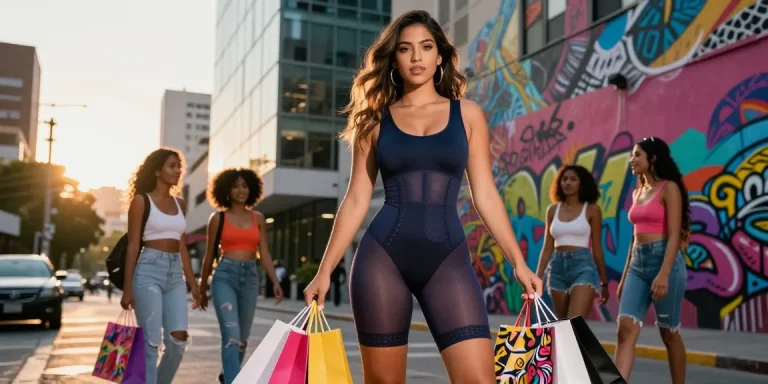
Color is a powerful way to express individuality in fashion. Seasonal palettes fluctuate, influenced by various factors such as cultural events, art movements, and global trends. Bold and vibrant colors often reflect joy and exuberance, while muted tones convey sophistication.
Patterns also remain central to fashion, with stripes, florals, and geometrics taking turns in popularity. Mixing patterns has evolved into a creative avenue where fashion enthusiasts can showcase their unique tastes. However, understanding how to balance colors and patterns is key to sophisticated styling—pairing a bold pattern with neutrals or plainer designs can make a significant difference.
Accessories: Elevating Everyday Fashion Pieces
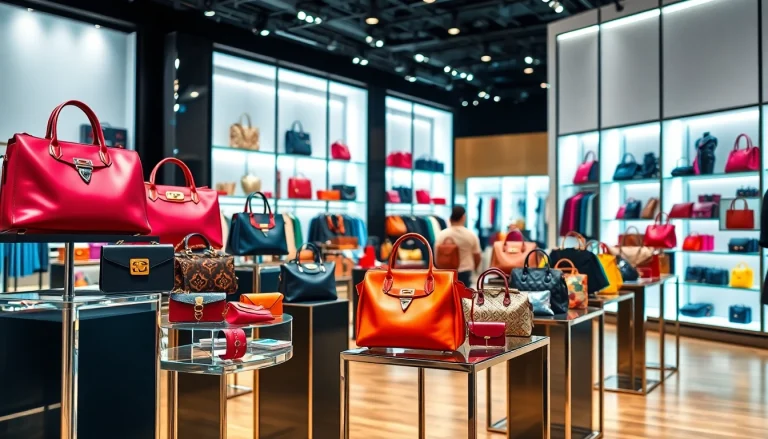
Accessories can transform an outfit from ordinary to extraordinary. Items such as handbags, jewelry, and belts are not only functional but serve as important style statements. The right accessory has the power to add a personal touch to even the most minimalist of outfits, allowing for endless creative exploration.
Layering accessories—whether it’s stacking bracelets or mixing different styles of earrings—has gained immense popularity, encouraging people to express their personal flair. Furthermore, the rise of sustainable accessories, featuring ethically sourced materials, is becoming a pivotal trend among conscious consumers looking to make informed fashion choices.
How to Develop Your Personal Fashion Style
Identifying Your Fashion Aesthetic
Defining your fashion aesthetic is fundamental to curating a wardrobe that resonates with your identity. Begin by exploring various styles, whether it’s bohemian, classic, sporty, or avant-garde. Create a mood board, compiling images of outfits that inspire you. This visual representation can help clarify which elements resonate the most.
Don’t hesitate to draw inspiration from various sources including street style, runway trends, and vintage finds. Remember, your aesthetic can evolve; what you love today may change as you grow and experience new trends and styles.
Building a Versatile Wardrobe for Different Occasions
A versatile wardrobe is an investment. Start by curating timeless pieces that form the foundation, such as tailored blazers, classic jeans, and versatile dresses. These can be easily styled for various occasions—work, formal events, or casual outings—by mixing and matching with different accessories and layer options.
Adding a few trendy pieces each season can help refresh your wardrobe without overwhelming it. Focus on quality over quantity to ensure that each item you invest in serves multiple purposes while enhancing your overall aesthetic.
Tips for Mixing and Matching Fashion Items
Mixing and matching is an art that allows you to express creativity in fashion effortlessly. Remember the importance of color matching; understanding the color wheel can help create harmonious looks. Additionally, consider texture contrast; pairing a chunky knit sweater with sleek leather pants creates visual interest.
Experiment with layering by combining longer pieces with shorter ones, and don’t shy away from breaking traditional fashion ‘rules.’ Trust your instincts, and use trial and error to understand what combinations work best for you.
Navigating Fashion Trends in Different Seasons
Spring Fashion Essentials: What to Wear
Spring marks a renewal in fashion cycles, with lighter fabrics and brighter colors making a return. Key essentials include flowy dresses, lightweight cardigans, and stylish sneakers. Floral patterns are particularly popular during this season, symbolizing the blooming nature.
This season is also an opportunity to integrate transitional layers—items that can pair well for fluctuating temperatures. Accessories, such as sun hats and vibrant scarves, can complete looks while adding a fresh pop of color.
Summer Styles: Keeping Cool While Staying Trendy
Summer fashion focuses on comfort without sacrificing style. Breathable cotton and linen fabrics dominate this season, along with shorts, tank tops, and maxi dresses. Bright, tropical colors and patterns enhance the summer vibe, creating cheerful and playful outfits.
Footwear trends shift towards sandals and espadrilles, ensuring comfort during hot weather. Don’t forget the importance of accessories, particularly sunglasses and sunblock, to protect against UV rays while looking effortlessly chic.
Fall and Winter Fashion: Layering Techniques and Tips
As temperatures drop, fashion embraces layer upon layer of coziness. Essential fall items include oversized sweaters, tailored coats, and smart boots. The color palette transitions to warmer tones—think burnt oranges, deep reds, and earthy browns.
Layering techniques are key in colder months. Start with a breathable base layer, add a warm sweater, and finish with an insulated coat. Accessories like scarves, hats, and gloves don’t just keep you warm—they also provide opportunities to showcase personal style.
FAQs about Fashion Trends and Styles
What does fashion mean?
Fashion refers to the styles of clothing and accessories that people wear, evolving over time and influenced by culture, society, and individual creativity.
How can I find my unique fashion style?
Explore various styles using mood boards, try different outfits, and identify patterns in what you feel most comfortable in to develop your unique fashion sense.
What are some timeless fashion trends?
Timeless trends include classic denim, little black dresses, tailored blazers, and white sneakers that transcend seasonal fads and provide lasting style.
How do seasonal trends impact fashion choices?
Seasonal trends influence color palettes, materials, and styles that cater to weather changes, guiding consumers in curating appropriate wardrobes.
Why is fashion important for personal expression?
Fashion serves as a visual language, allowing individuals to communicate their personality, values, and emotions through their clothing choices.
About the Author